
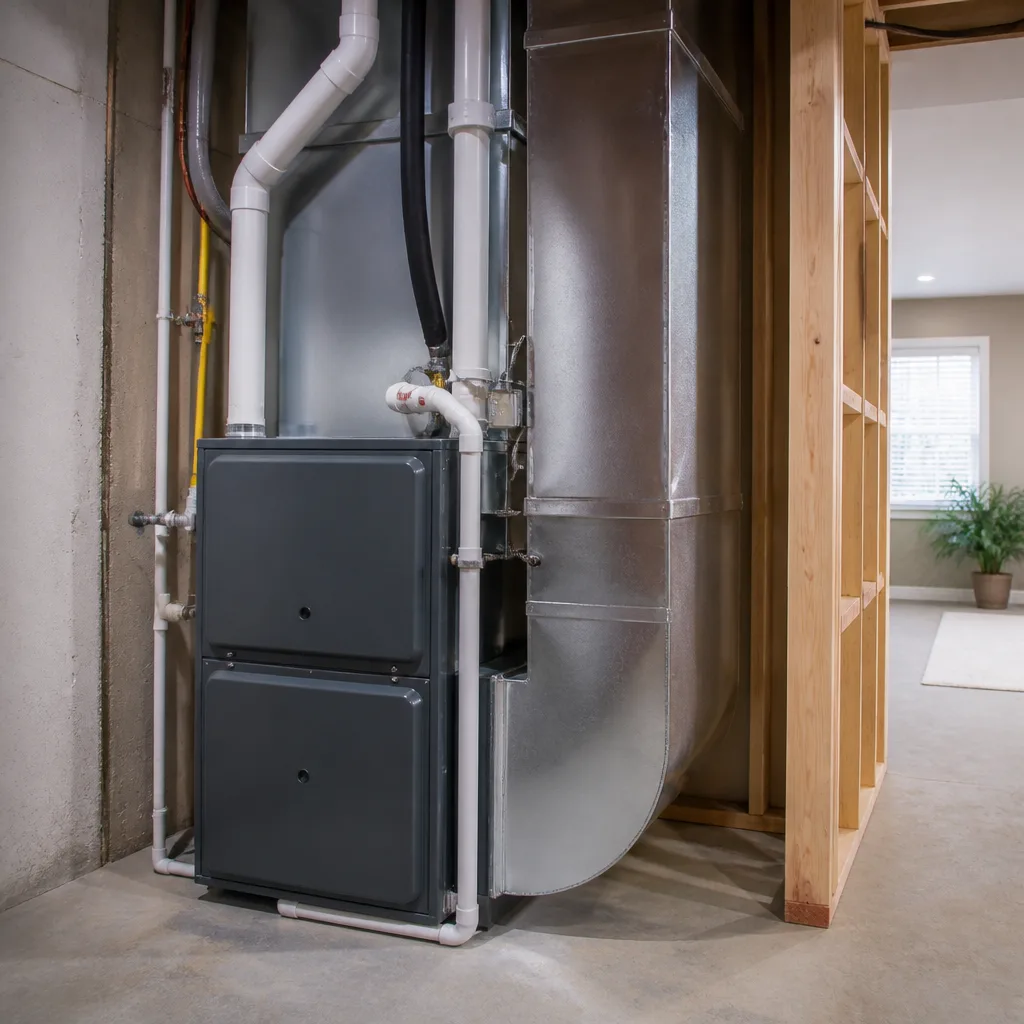
 Furnace & heating
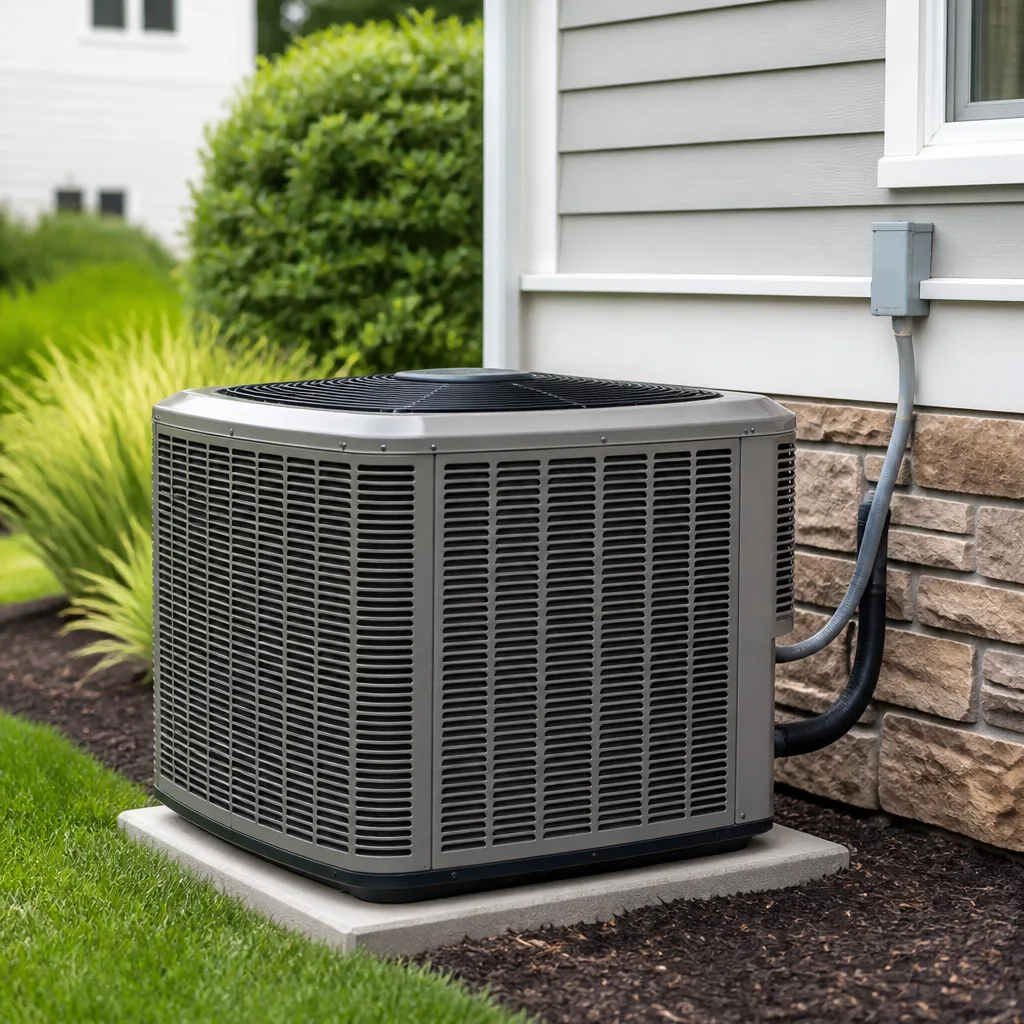 AC repair
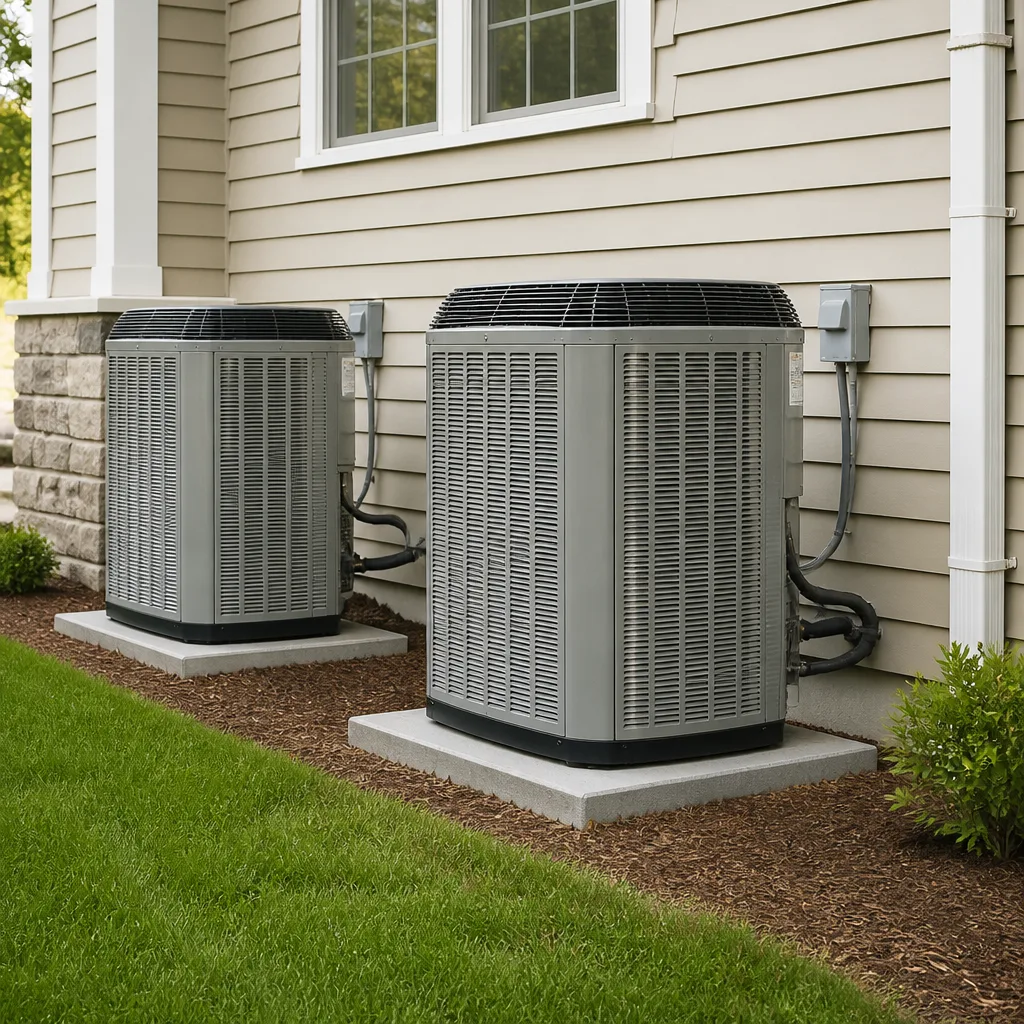 Heat pumps
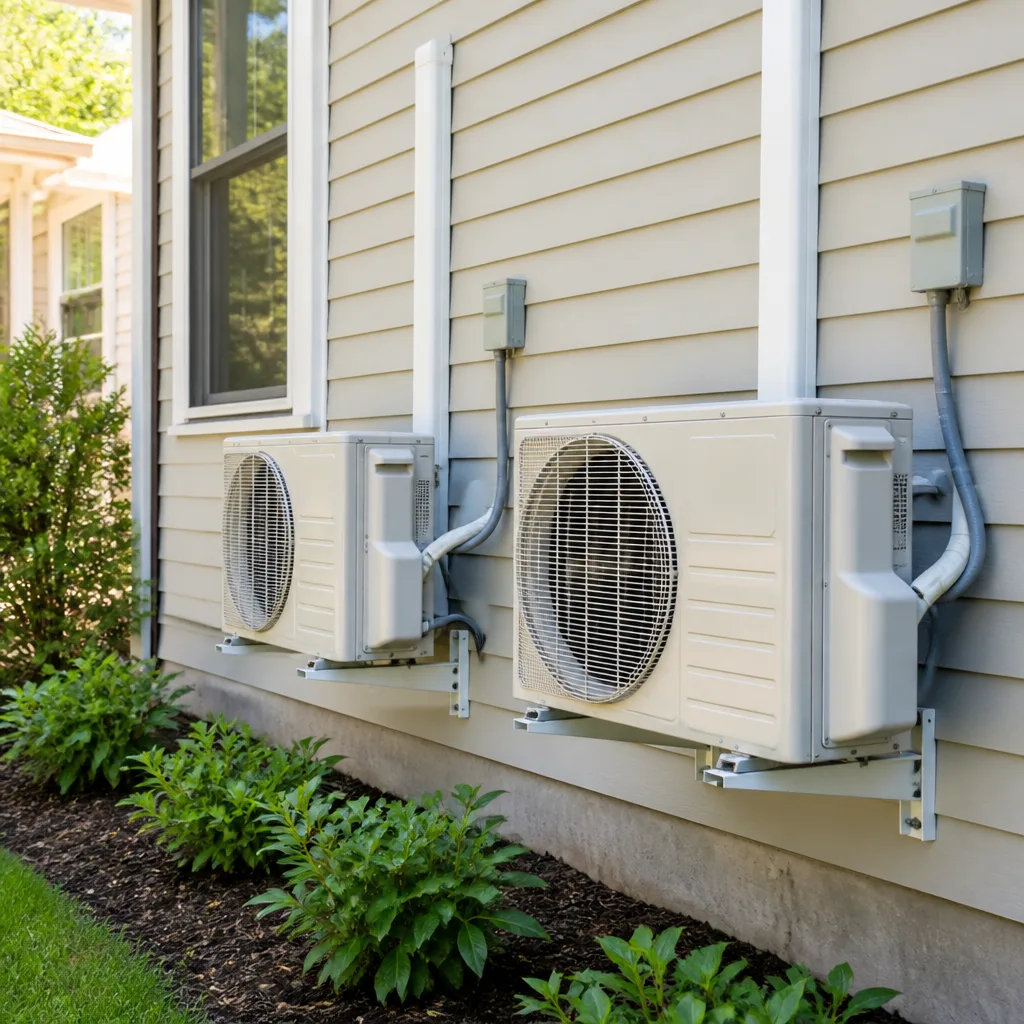 Ductless mini splits
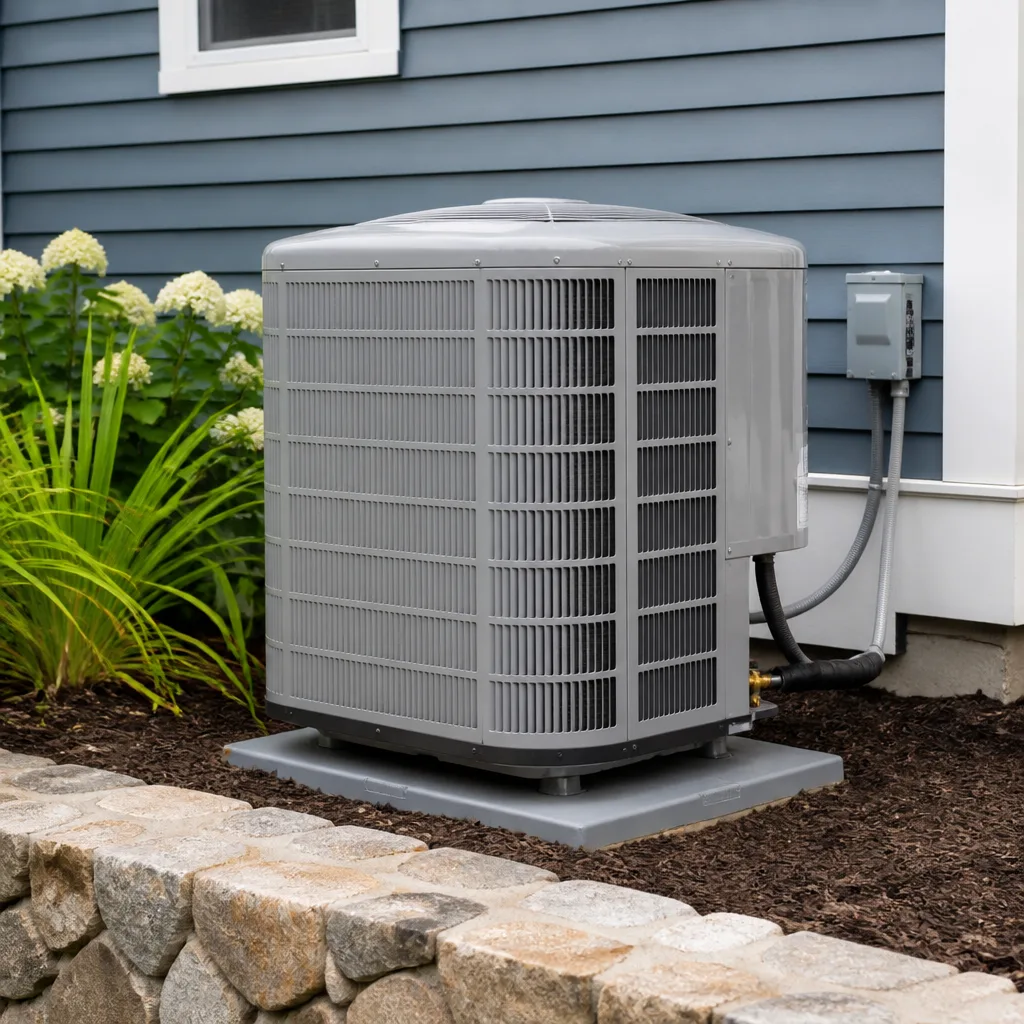 Carrier
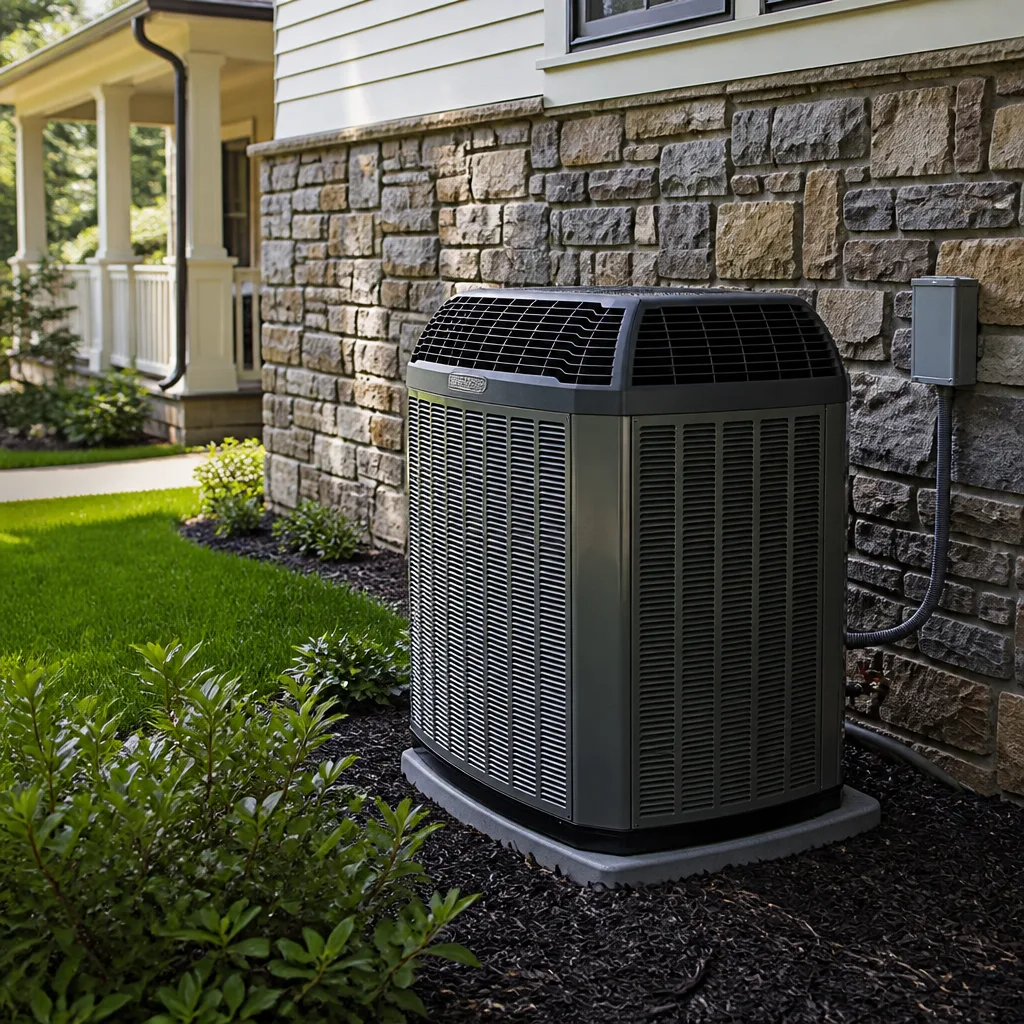 Trane
Trane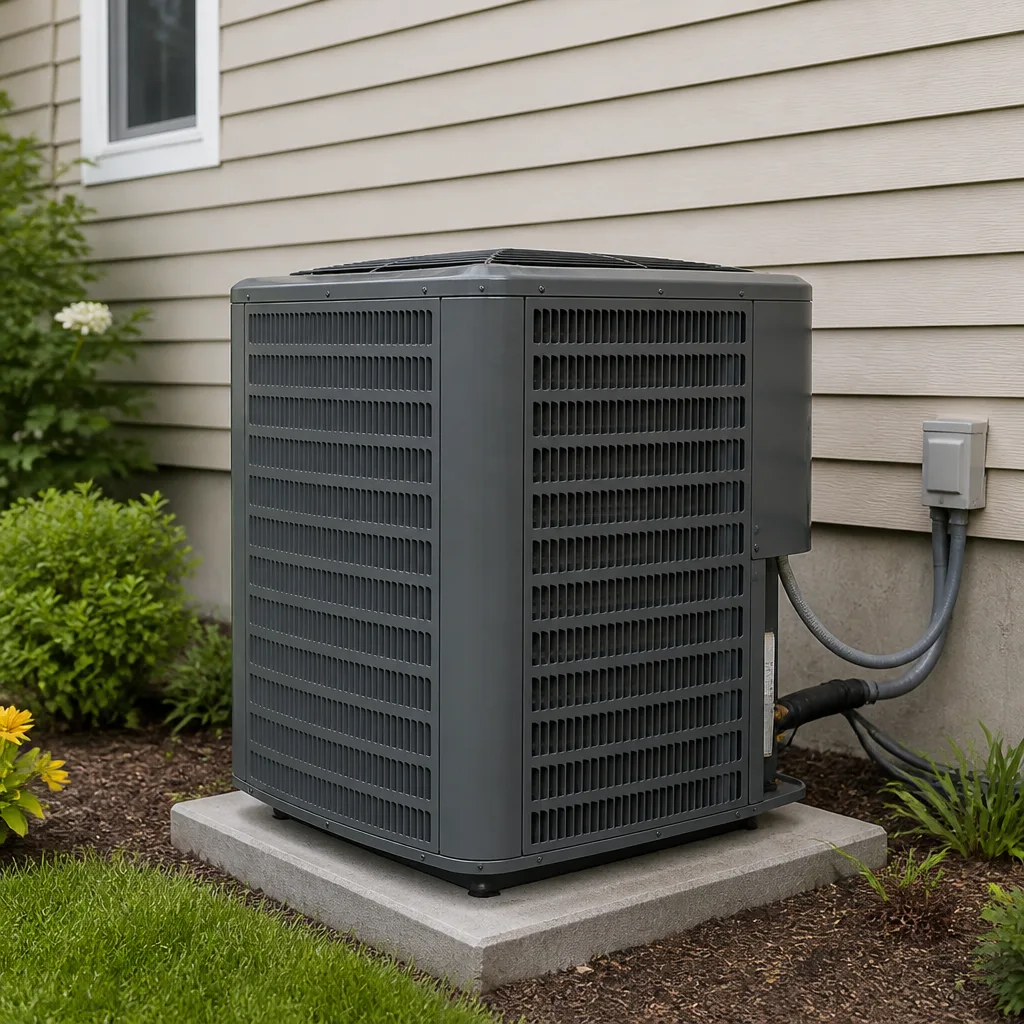 Goodman
Seasonal tune-up and full diagnostic on your Carrier, Trane, or Goodman system - readings shown to you before any repair is proposed
Diagnosis first, numbers second - you approve the repair price before a single part goes in.
Get your free estimateDaikin Mini-Split Installation: The Fort Worth Owner’s Guide
A Daikin mini-split installation in Fort Worth typically runs $2,800 to $5,500 including the outdoor condenser, indoor air handler, line set, electrical, and full startup. We keep Daikin-compatible install components on our trucks and can usually have a failing single-zone unit swapped within 48 hours of your call. Most Fort Worth homeowners discover they need this work when their indoor unit starts blowing warm air, leaking water onto the wall, or throwing an error code that won’t clear.
Here’s the thing about mini-splits in North Texas: they run essentially nonstop from May through September, and the heat load on a Fort Worth wall is different than what that same Daikin unit would face in, say, Seattle. That constant strain means the installation itself often fails before the equipment does. We see it every week, usually in homes across Ridglea, Wedgwood, and the Near Southside where older mini-split installs were done with undersized line sets or sloppy flare connections. The unit is fine. The install isn’t.
Key Takeaways:
- Full Daikin mini-split installation in Fort Worth: $2,800 to $5,500 depending on capacity and line-set run
- We stock Daikin-compatible outdoor units, indoor heads, flare kits, and line sets on the truck
- Written price before any work starts, every time, no exceptions
- Every installation includes our 365-Day Done Right Promise in writing
- Halden Heating and Air Fort Worth is an independent service provider, not affiliated with Daikin
Which Daikin Models This Applies To
The Daikin mini-split lineup splits into three groups that matter for Fort Worth installs. The 17 Series and 19 Series are the older single-zone and multi-zone workhorses, and they’re the ones we replace parts on most often in homes built or retrofitted in the 2010s. The Aurora Series is what Daikin designed for extreme climates, and frankly it’s a better fit for Texas heat than some of the budget units we pull out of track homes in Alliance. The Atmos and Perfera lines are the newer high-efficiency indoor wall units, and their indoor heads are not interchangeable with 17 Series outdoor condensers, even when the BTU rating matches.
Here’s the compatibility gotcha that costs Fort Worth owners real money: a Daikin 18,000 BTU indoor head from a 17 Series will not talk to a new Aurora outdoor unit without a matching control board, and sometimes not even then. If someone tells you “any Daikin head works with any Daikin condenser,” walk away from that quote. The model number plate on the outdoor unit is the single source of truth. Flip the plastic cover open, find the model string like RXS18LVJU or RXL24QMVJU, and write it down before you call anyone. That number tells us the refrigerant type, the voltage, the series, and what indoor unit belongs on the other end. We also service Carrier, Trane, and Lennox mini-splits, so if you have a mixed-brand setup in the same house, we can sort that out too.
On OEM versus aftermarket: Daikin OEM parts carry a longer warranty and tighter manufacturing tolerances on things like the inverter board, but a quality aftermarket line set or flare fitting is mechanically identical for a fraction of the price. We quote both options up front, with the price difference in writing, so you decide where your money goes.
Styles & brands we work with
Signs Your Daikin Mini-Split Installation Is Failing
- Warm air with a low fan growl. The compressor is running but the refrigerant charge is low, usually because an old flare connection has been seeping for years. In Fort Worth’s hundred-degree summers, a unit down 30% on charge can’t keep a bedroom under 82°F by late afternoon.
- Water dripping down the wall below the indoor head. The condensate line is clogged or backed up, often from Fort Worth’s dust settling in the drain pan through the cooling season. This one is a wall and floor damage risk if left alone.
- Error code U4 or E7 on the display. The indoor and outdoor units have lost communication. If the line set was kinked during the original install, the severed comm wire inside the jacket will show exactly this symptom. Sometimes it’s intermittent for months before it dies for good.
- Ice building on the indoor coil or the small line outside. Low charge, restricted airflow from a dirty blower wheel, or a failing TXV (the metering valve that controls refrigerant flow into the coil). Ice on a coil is never normal, even on a 105°F Fort Worth afternoon.
- The unit runs, but the room never cools below the high 70s. The original install may have been undersized for the room’s actual heat load, or the outdoor unit is buried in a tight side yard where it’s recirculating its own hot discharge air. We see this all the time on newer builds in the western Fort Worth suburbs where two units got crammed into one 30-inch side yard.
See the difference
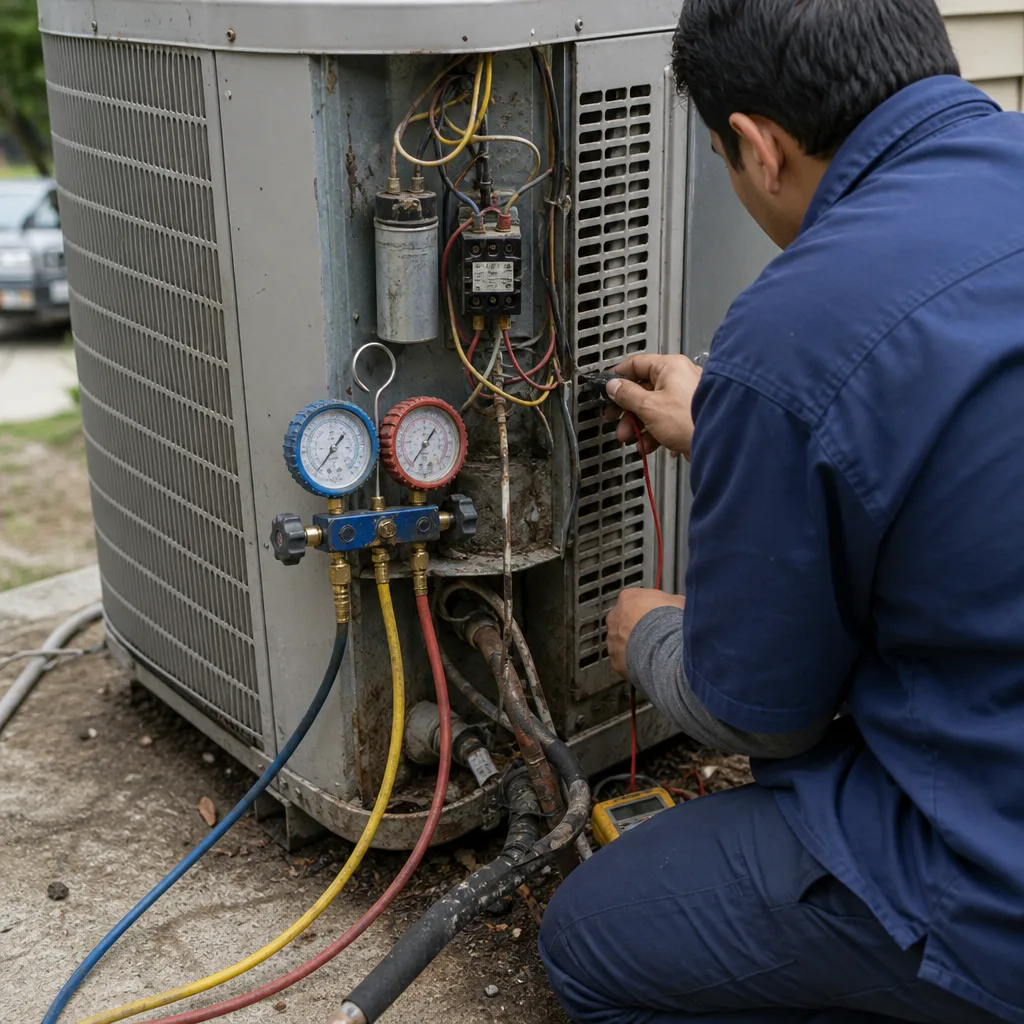 Before
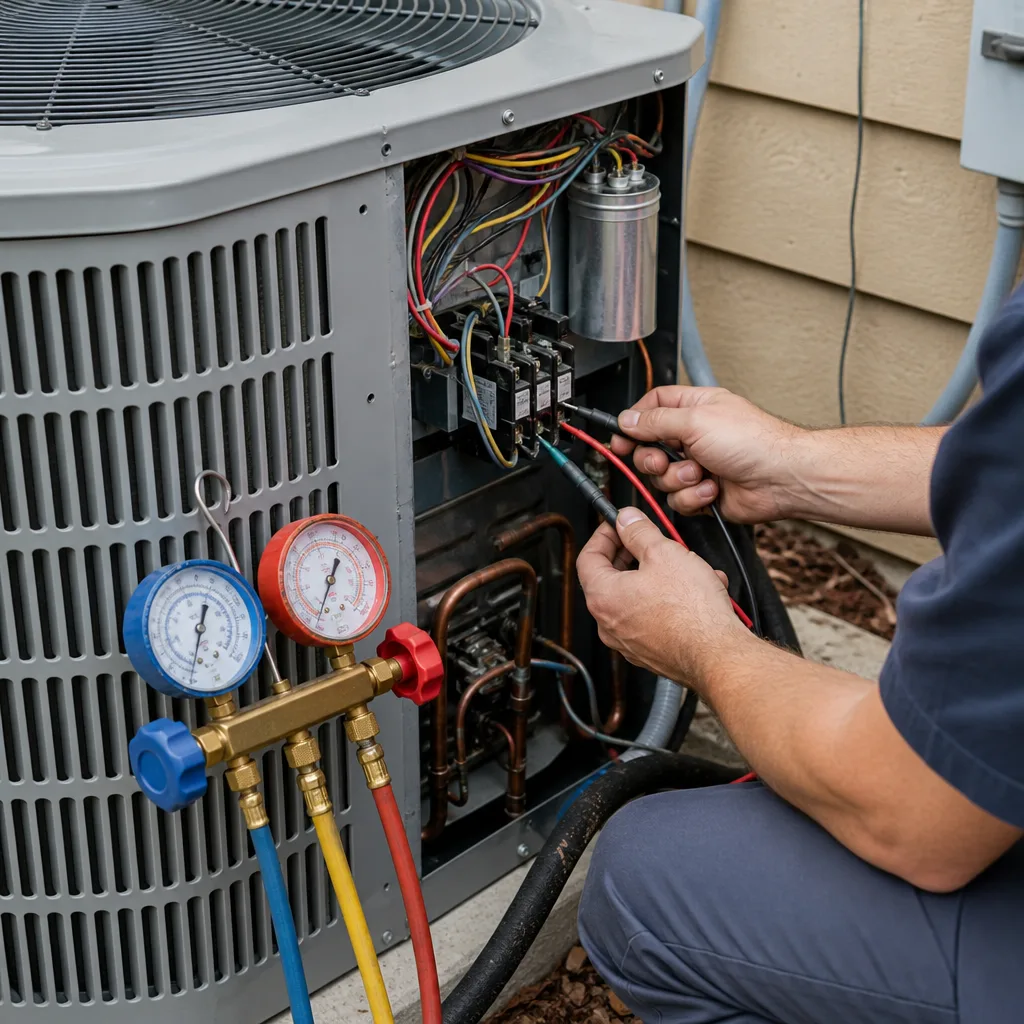 After
After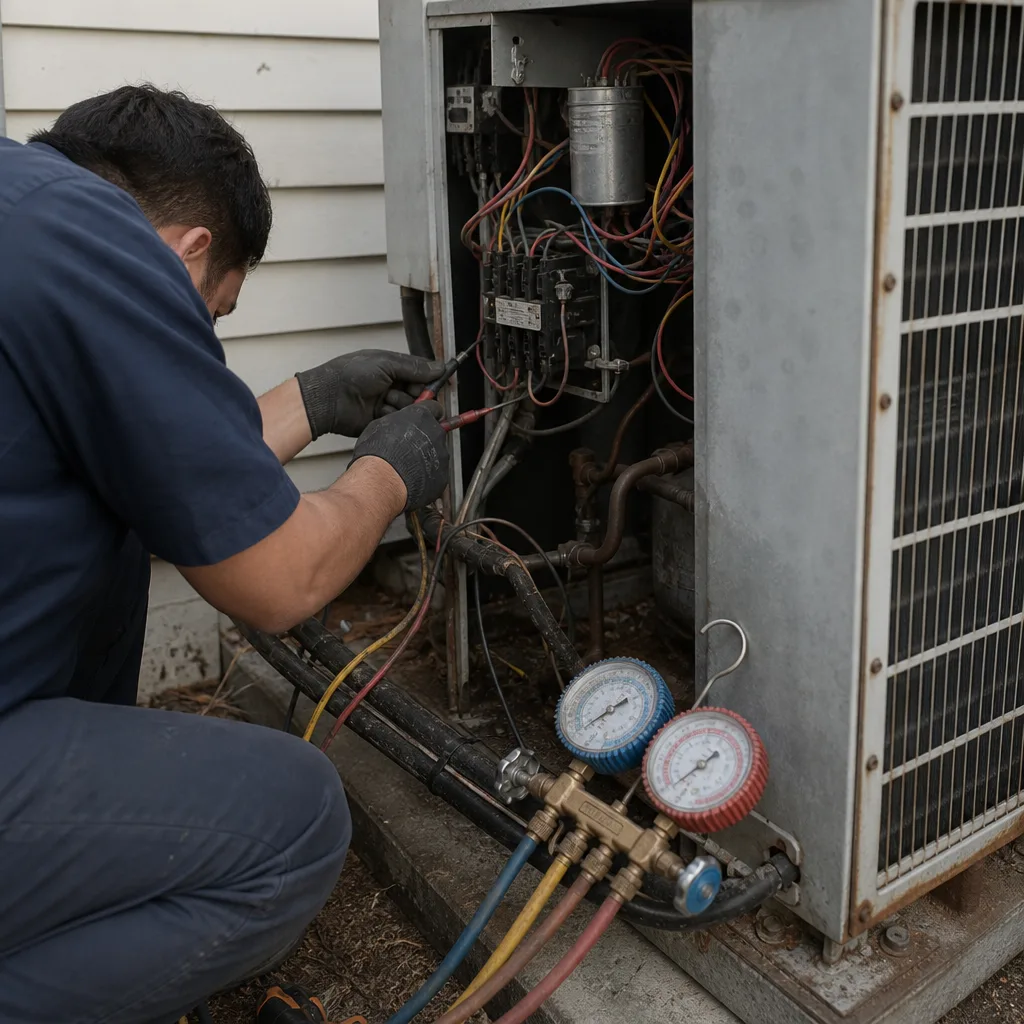 Before
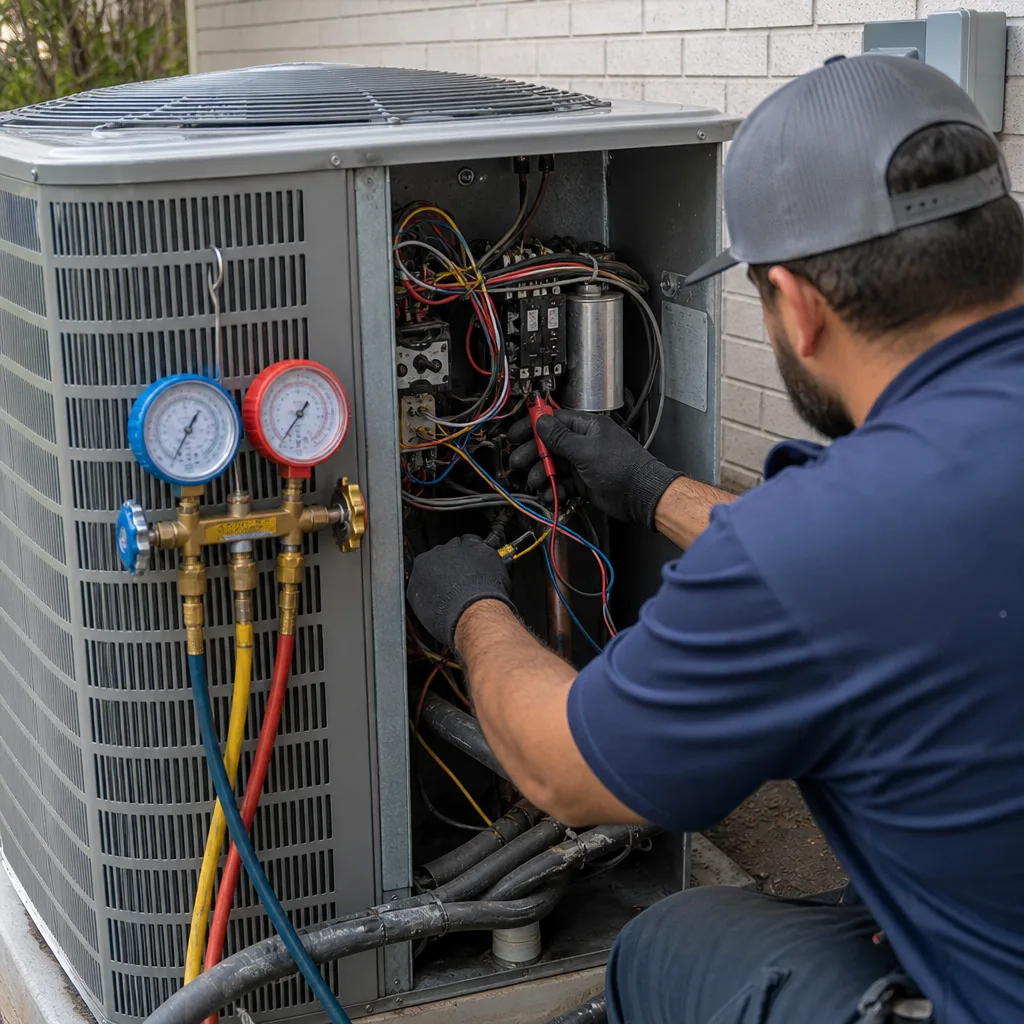 After
After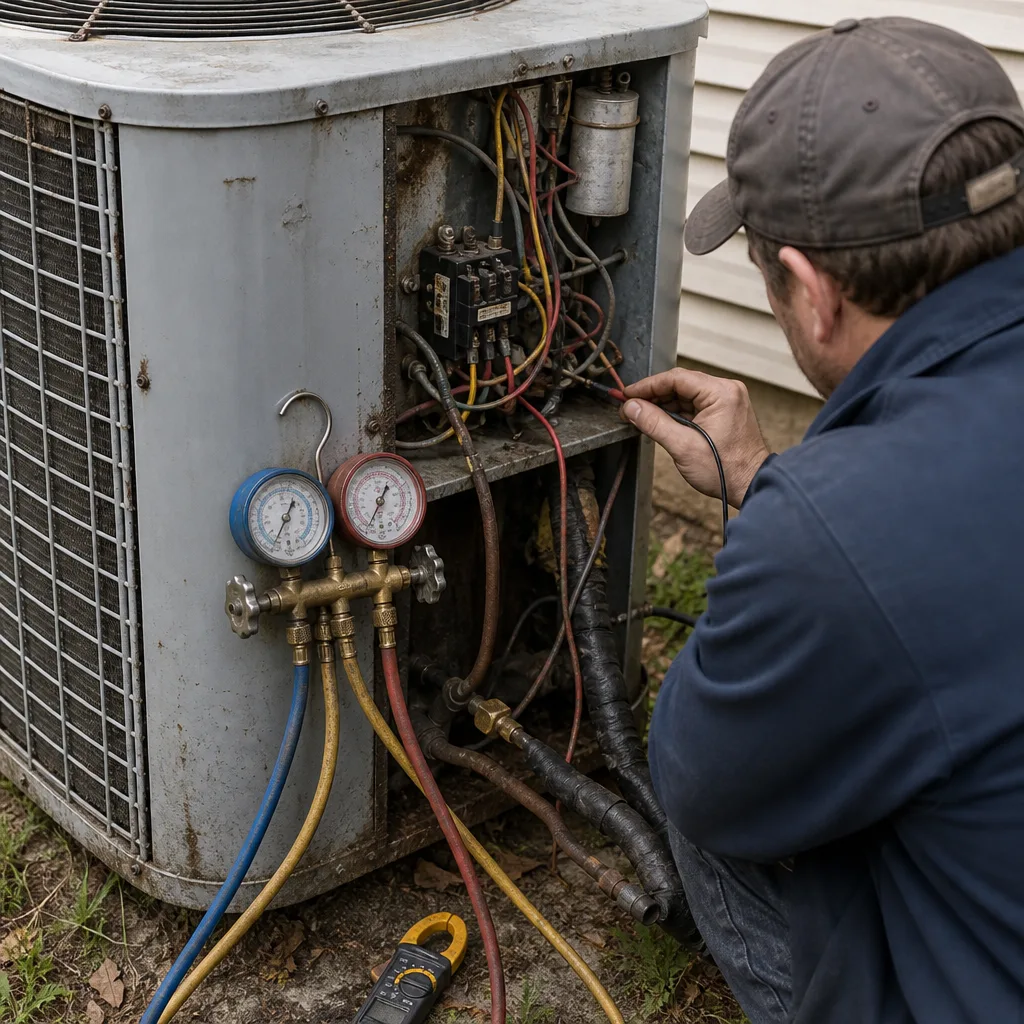 Before
 After
AfterReplacement Cost & What’s Included
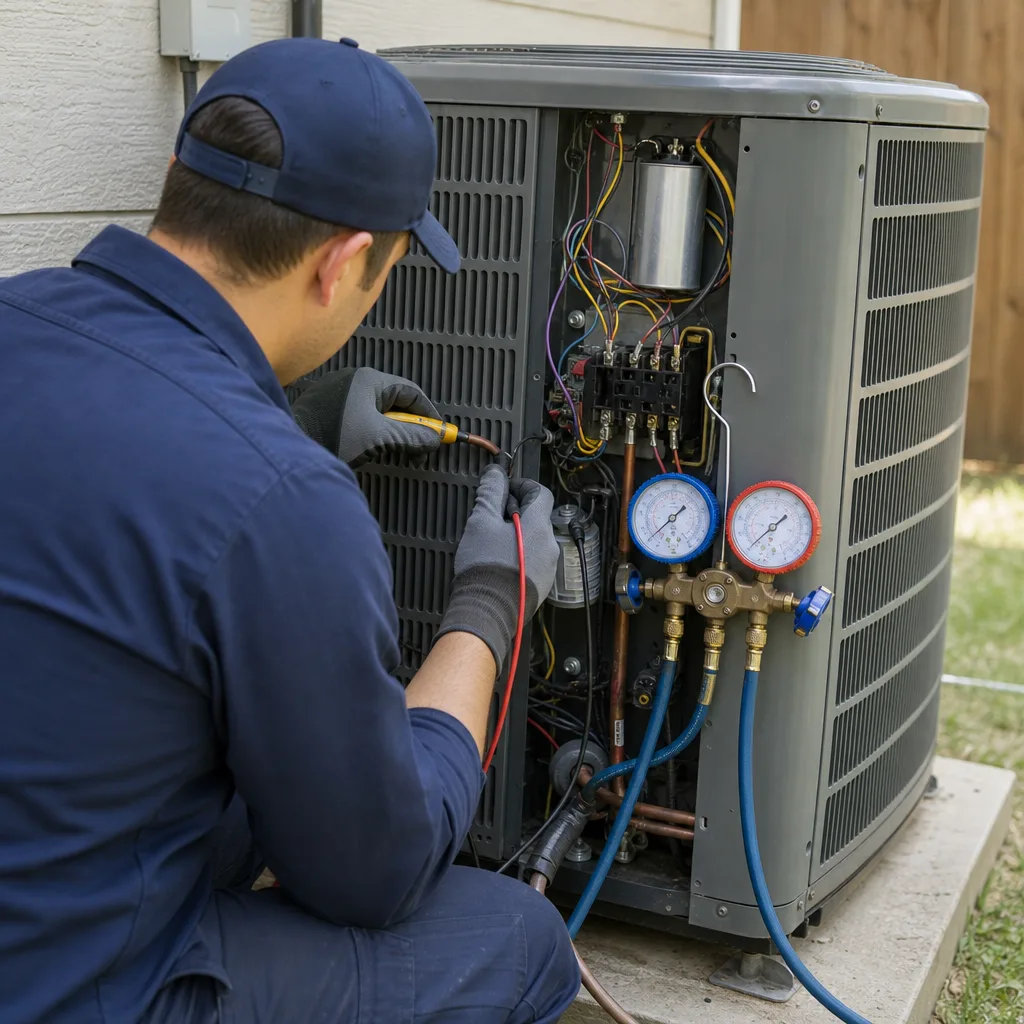
For a single-zone Daikin mini-split installation in Fort Worth, you’re looking at $2,800 to $5,500 installed, depending on capacity, line-set run length, and whether we’re reusing your existing wall sleeve or cutting a new one. That price includes the outdoor unit, indoor head, new line set and flare fittings, electrical whip, nitrogen pressure test, vacuum pull, and full startup verification. If you need a multi-zone system with two or three indoor heads, the number climbs from there, but we quote that as one written price before any work happens.
What drives variance is mostly the line-set run. A bedroom unit on an exterior wall where the condenser sits six feet away is quick work. A living-room head where the line has to snake through an attic across 40 feet of trusses costs more in copper and labor, and honestly, the attic heat in July makes every foot feel like two. Every install includes a written price delivered before we touch a tool, plus our 365-Day Done Right Promise in writing. If the install isn’t right within a year, we make it right at no charge. Andre Fuller still remembers the first surprise bill a contractor handed him, and flat price up front, cool house by tonight is not a slogan around here, it’s the operating system.
DIY or Call Us?
There are safe things you can check without opening anything: clean the washable air filter behind the indoor head, make sure no landscaping is blocking the outdoor unit’s airflow, and check that your condensate line isn’t visibly kinked where it exits the wall. That’s the end of the safe list. The moment you’re looking at refrigerant, flare fittings, or the electrical connection at the condenser, you’re in territory where a small mistake means a compressor replacement or a 240-volt shock. DIY mini-split install kits from a big-box store routinely cost Fort Worth homeowners two or three times the kit price in repair work within a year. If you already know the unit is failing, call us at (817) 632-5499. We’ll quote the install in writing before we open a panel, and you’ll get a live person on the phone, not a voicemail tree.
FAQs
A properly installed Daikin mini-split should run 12 to 15 years in Fort Worth, though the constant summer run time and our hard water mean the indoor blower wheel and condensate system usually need attention around year eight. The installation itself, the line set, flares, and electrical, should last the life of the equipment if the original work was done right. Call (817) 632-5499 if you want us to inspect an existing install before you decide on repair versus replacement.
Yes, and that’s what most repairs are. If the issue is a leaking flare fitting, a kinked line set, a clogged condensate line, or a communication error from a damaged wire, we repair that for $150 to $650 without touching the equipment itself, and the repair carries our written guarantee with a free second visit if it fails. Replacement of the whole installation only makes sense when the line set is badly corroded or the wrong size, and we’ll show you exactly why with before-and-after photos before you spend a dollar.
Most single-zone installs take 4 to 8 hours on-site, and we run a nitrogen pressure test and vacuum pull before startup, so you’re not waiting through a rushed job. If your old unit is dead on a 100°F day, we can usually get the new one cooling by that evening if we start before noon.
We stock Daikin-compatible line sets, flare kits, communication wire, condensate pumps, and the most common indoor and outdoor unit sizes on our trucks, covering the single-zone installs we see most in Fort Worth homes. For oddball multi-zone configs or older 17 Series equipment, we order OEM parts and have them in hand within a couple of days. Call (817) 632-5499 with your outdoor unit’s model number and we’ll tell you on the spot what’s in stock.
Written by Andre Fuller, Owner, Halden Heating and Air Fort Worth at Halden Heating and Air Fort Worth, serving Fort Worth and nearby areas.