
Last updated October 16, 2026
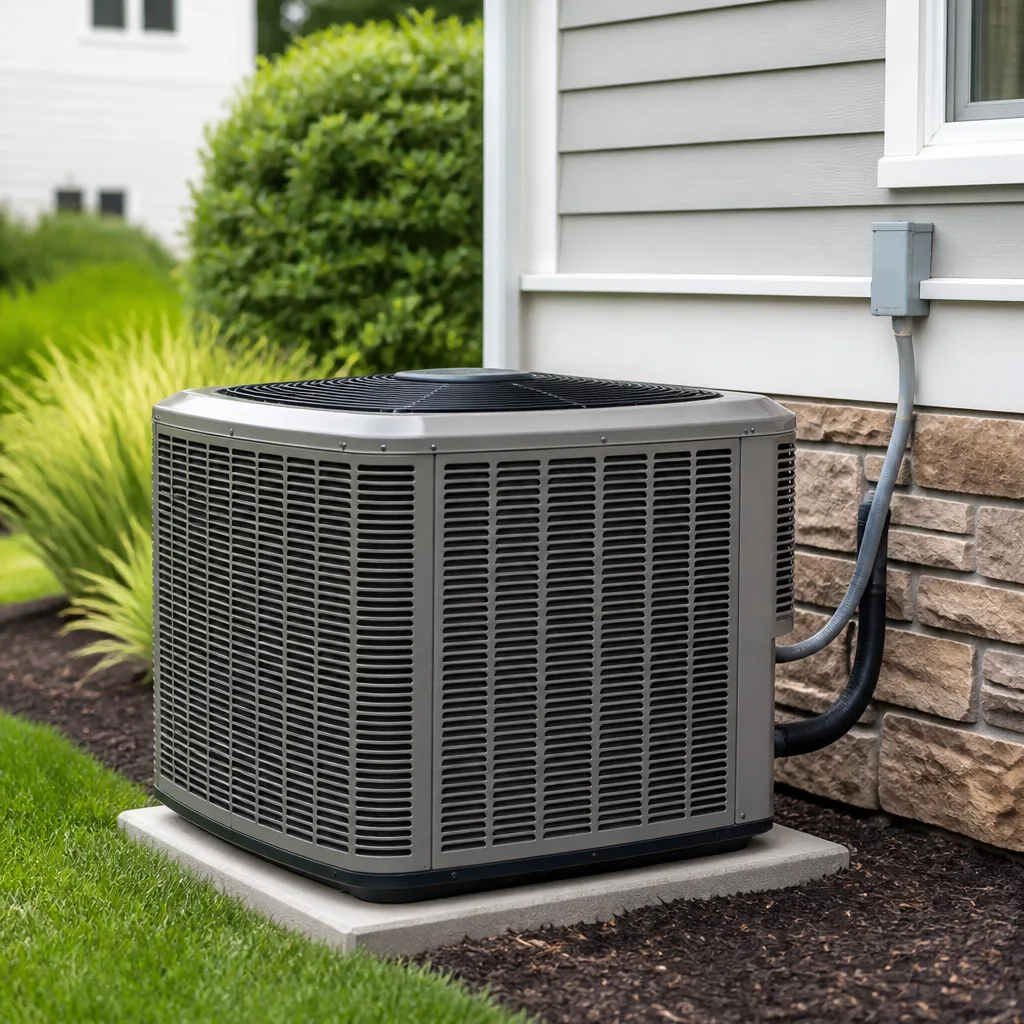 AC repair
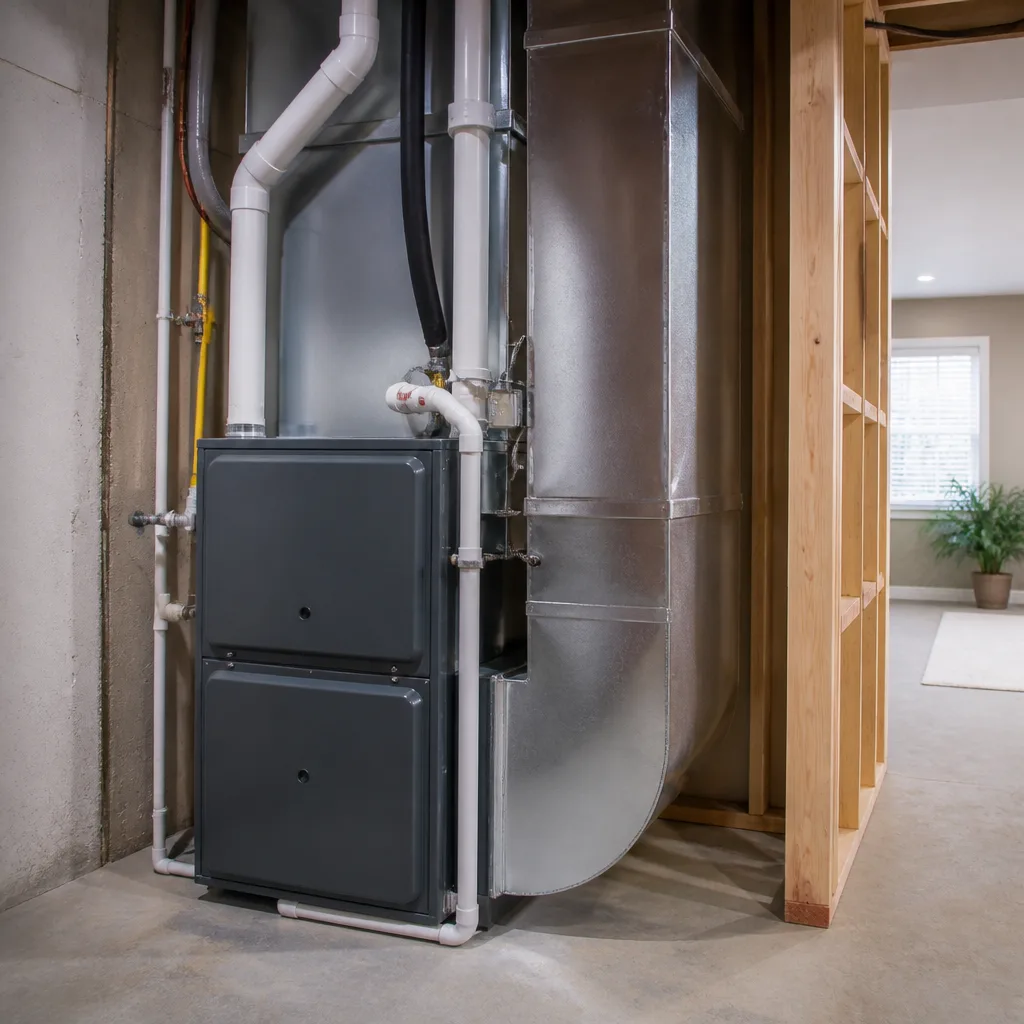 Furnace & heating
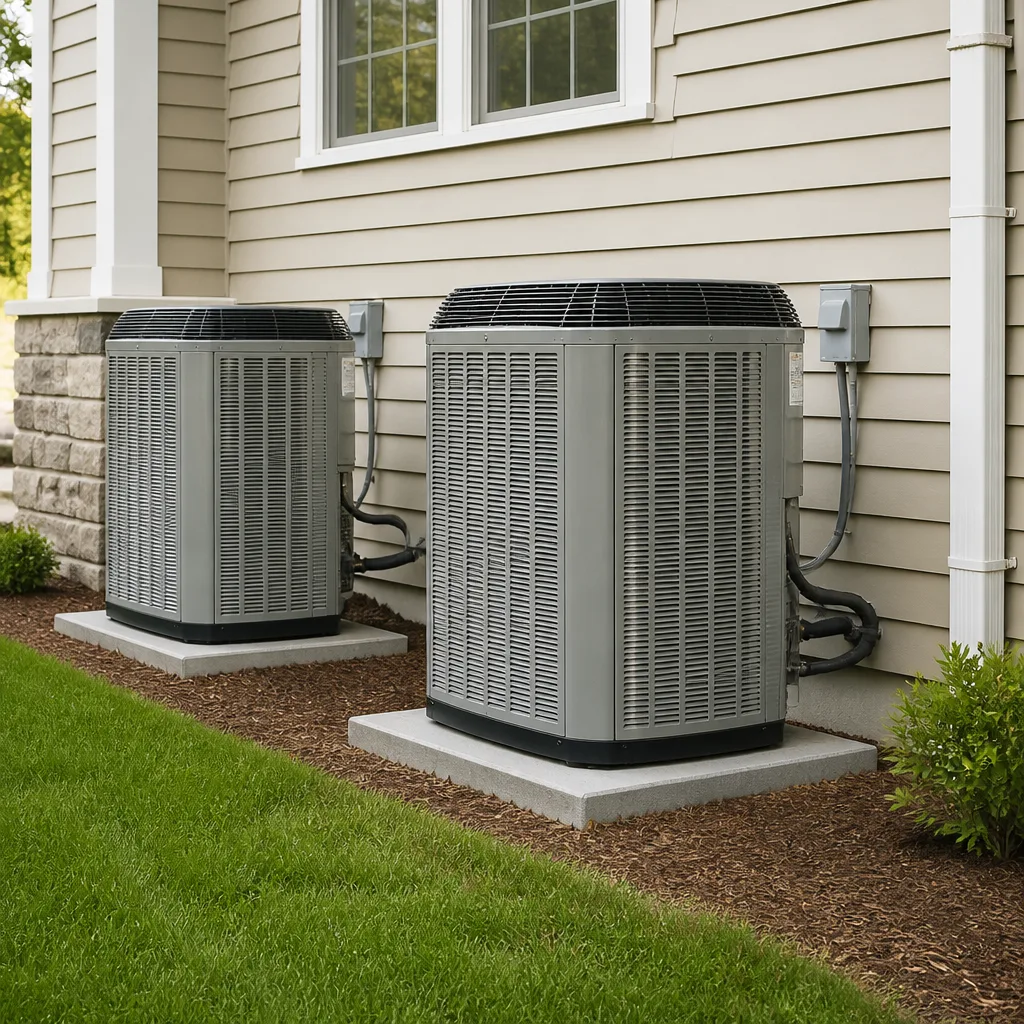 Heat pumps
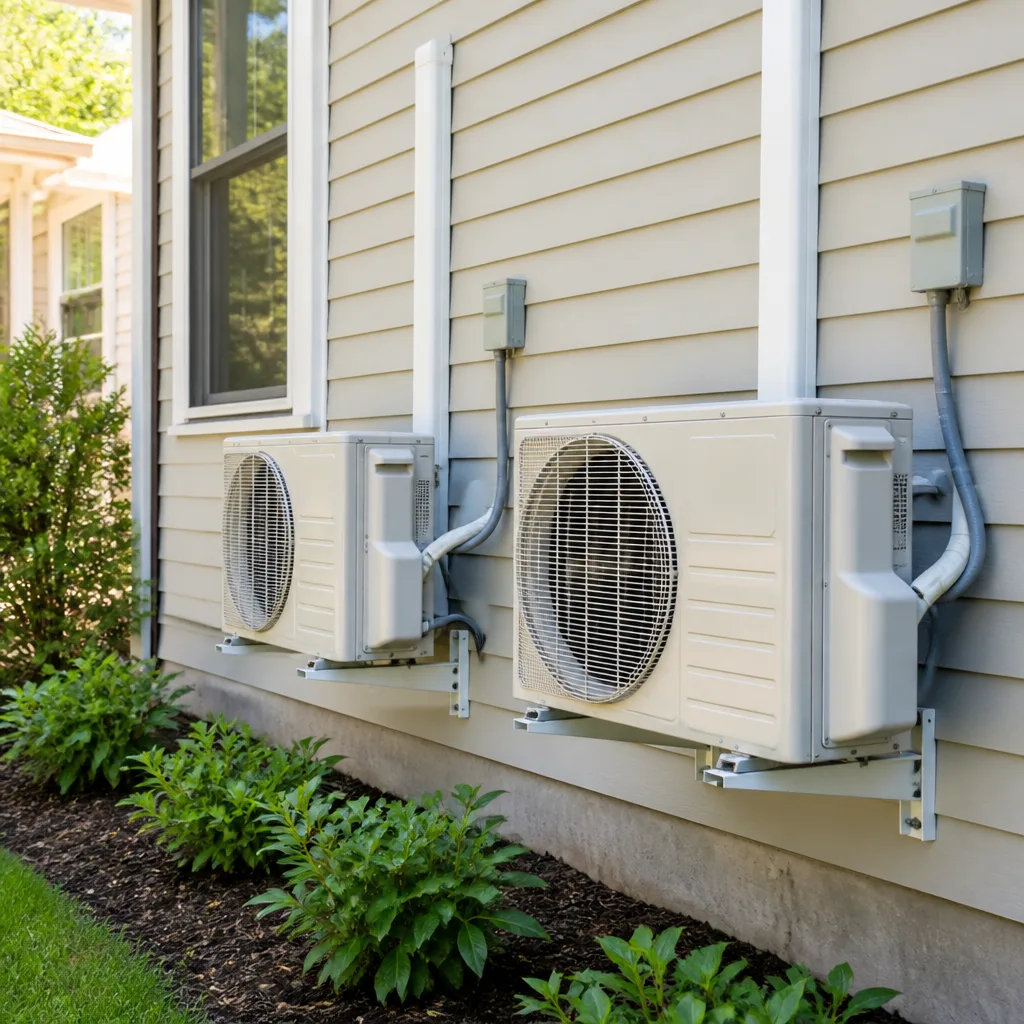 Ductless mini splits
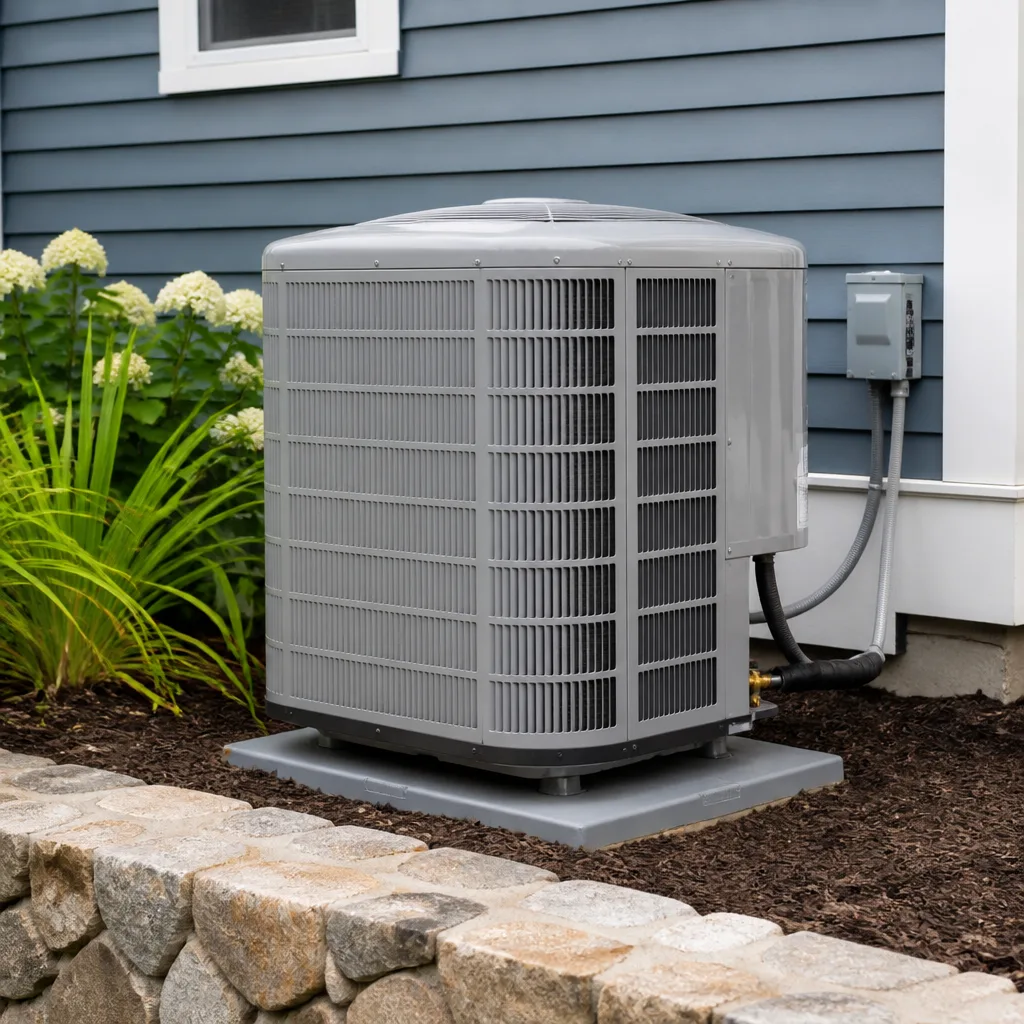 Carrier
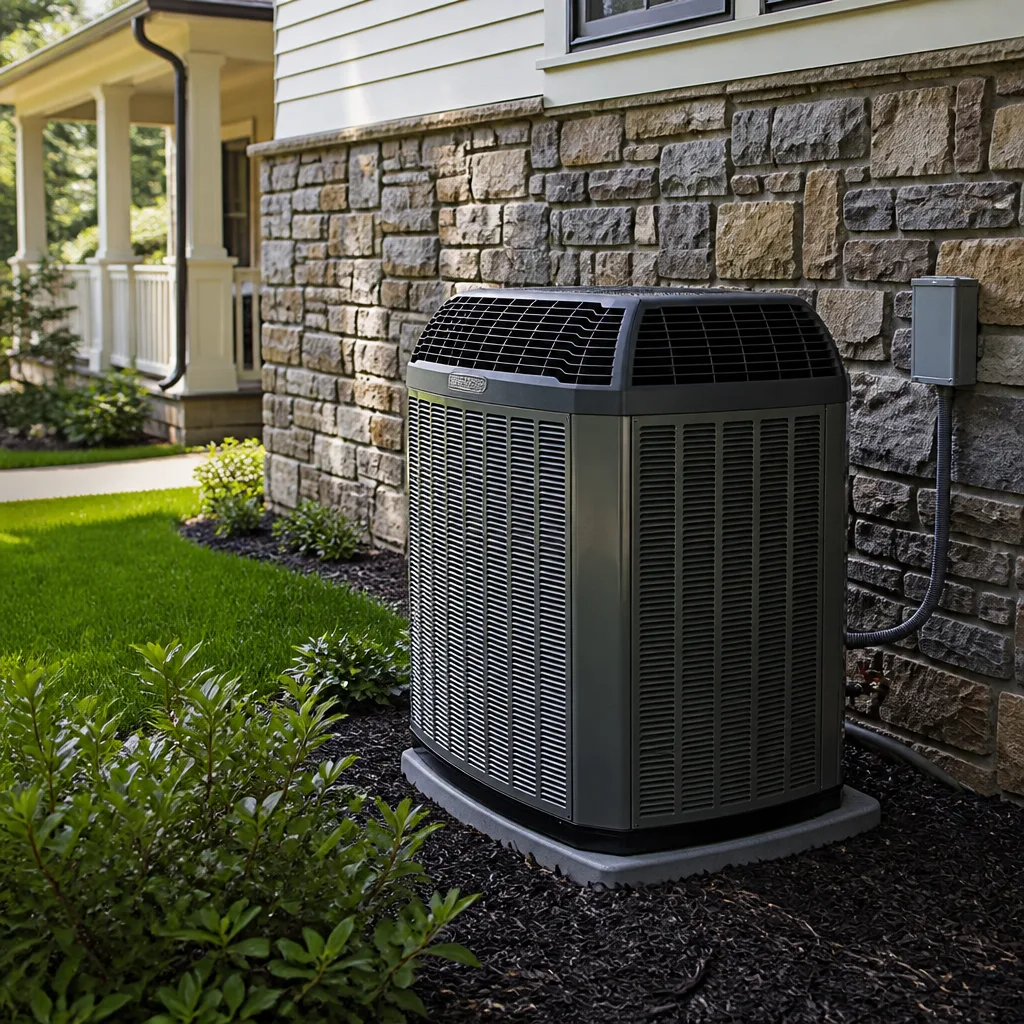 Trane
Trane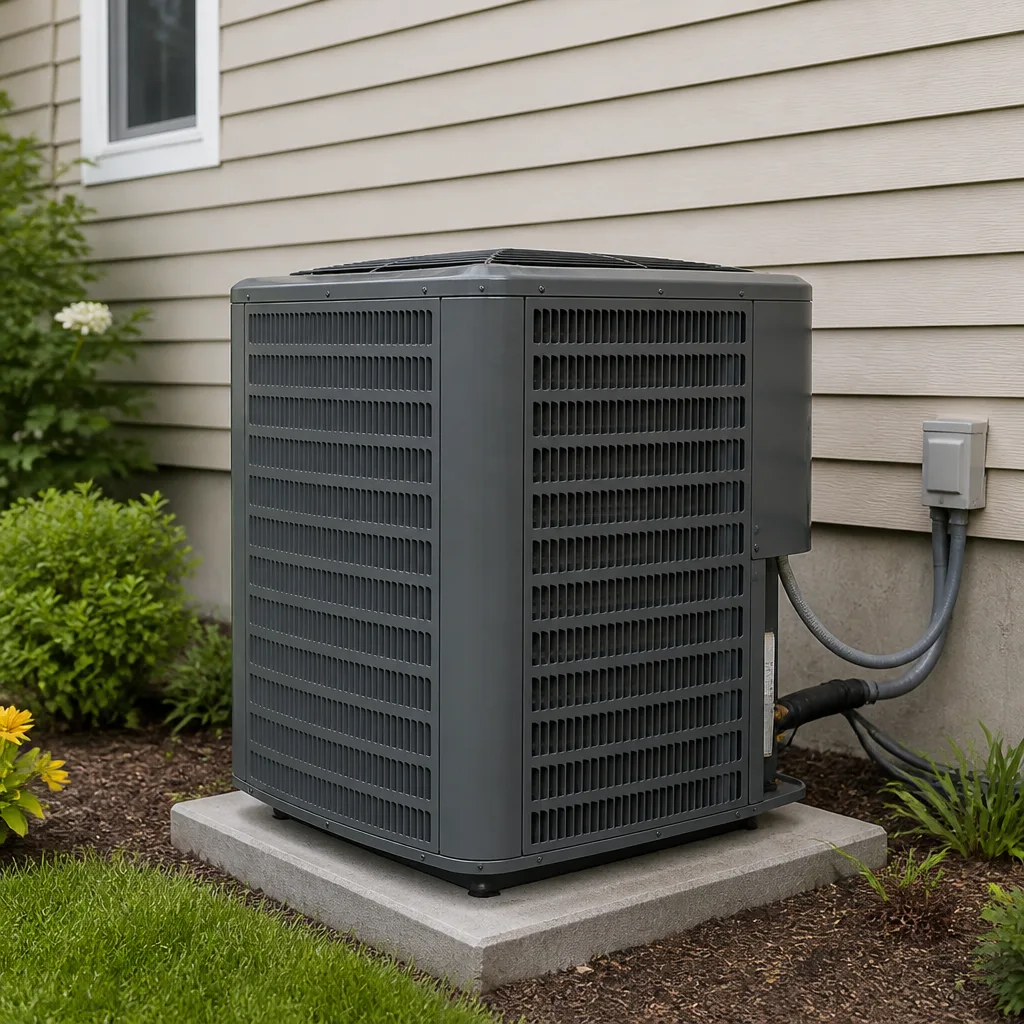 Goodman
Seasonal tune-up and full diagnostic on your Carrier, Trane, or Goodman system - readings shown to you before any repair is proposed
Diagnosis first, numbers second - you approve the repair price before a single part goes in.
Get your free estimateHVAC Permits, Codes & Inspections in TX: What You Need to Know
An unpermitted HVAC replacement discovered during a home inspection in Fort Worth can cost the seller anywhere from $2,000 in re-inspection fees to a fully failed closing, and the contractor who skipped it is long gone. Most homeowners never think about permits until that exact moment, when a title company is holding the deal hostage and nobody can find a record. This guide covers when Fort Worth requires a permit, how Texas energy codes changed in 2023, how to verify a permit on your own property in under five minutes, and what to ask any HVAC company before they touch your system. For more guides & resources on protecting your home, explore our blog. If you’re anywhere near a replacement, a repair, or a home sale in Fort Worth, this is the guide that keeps you out of that closing-table panic.
Styles & brands we work with
Quick Answer
Most full HVAC system replacements and new ductwork in Fort Worth require a permit through the City of Fort Worth Development Services Department, while basic repairs, filter swaps, and thermostat changes do not. Texas adopted the 2023 energy code aligning with IECC 2021, meaning new installations must meet stricter minimum efficiency ratings than units installed before the change. You can verify whether a permit was pulled on your address through the city’s online permit portal in under five minutes, and unpermitted work carries real risks: denied insurance claims, voided home warranties, and failed sales at closing.
Table of Contents
- When a Fort Worth HVAC Permit Is Required
- When a Permit Is Not Required
- How to Verify a Permit on Your Fort Worth Property in Under 5 Minutes
- Texas’s 2023 Energy Code Update and What It Means for Your Unit
- The Insurance Angle: Why Your Carrier Checks Permit Records
- What Proper HVAC Documentation Looks Like
- Common Mistakes to Avoid
- When to Call a Professional
- Frequently Asked Questions
- The Bottom Line
When a Fort Worth HVAC Permit Is Required
The City of Fort Worth follows the International Mechanical Code and the International Residential Code, with local amendments enforced through the Development Services Department. In plain language: the moment a job changes your system’s structure, capacity, or connection to fuel or power, you’re almost certainly in permit territory. Here’s the list that covers the most common situations our customers in Fort Worth ask about. Most full system replacements, whether a complete AC swap or a furnace replacement, need a mechanical permit. New ductwork installation, not just patching a seam, requires one too. Adding a new system to a home that didn’t have one before, like a mini-split in a garage, also triggers a permit. Relocating an indoor unit or furnace to a different spot in the house falls under the same requirement. What surprises people most is that even swapping a gas furnace for an electric heat pump needs a permit, because you’re changing the fuel source and the electrical load. In Fort Worth, unincorporated areas of Tarrant County may follow county-level permitting instead of the city process, so location matters more than most people realize.
If you’re not sure whether your job crosses the line, the Development Services Department has a permit technician desk that answers exactly this question by phone. A licensed AC installation contractor in Fort Worth will determine permit needs before writing your estimate, because pulling the permit after work starts is far more painful than pulling it first.
When a Permit Is Not Required
The City of Fort Worth maintains a specific list of exemptions, and they boil down to work that does not materially alter the system. Replacing an air filter needs no permit. Swapping a thermostat, even from a basic model to a smart one, is exempt. Cleaning the condenser coil outside, clearing a drain line, or replacing a capacitor, contactor, or circuit board on an existing unit are all repair tasks that don’t change the system’s design. Recharging refrigerant when a system has a slow leak is classified as a repair, not an installation, so no permit is needed. Replacing a fan motor or blower motor in-place is also exempt. The dividing line is simple: if the work restores the existing system to proper operation without changing its capacity, location, or fuel source, Fort Worth treats it as a repair. If it changes what the system is or where it lives, it becomes a permitted installation. One common trap: a “simple” condenser swap looks like a repair to a homeowner, but installing a different model with a different capacity or efficiency rating crosses into replacement territory and requires a permit.
When in doubt, our team at Halden Heating and Air Fort Worth will tell you up front whether your job needs a permit. We don’t guess, and we don’t let you find out at closing. Permits and inspections are handled as part of our AC repair services in Fort Worth when a repair escalates to a replacement.
How to Verify a Permit on Your Fort Worth Property in Under 5 Minutes
The Fort Worth Development Services Department runs an online permit portal called Accela, and anyone can search it. You don’t need a contractor account, a login, or a fee. You just need your address. Here’s the exact process:
- Go to the City of Fort Worth Development Services website and click the “Permits” section, then look for “Search Permits” or “Accela Citizen Access.”
- Enter your street number and street name only. Skip the direction prefix like “N” or “S” if you’re not sure, the system will show you a list of matches.
- Filter by permit type using the dropdown, choosing “Mechanical” or “HVAC” if those options appear. If not, scan the results for anything referencing “mechanical,” “HVAC,” “air conditioning,” or “heating.”
- Click the permit number to open the record, then look for the field labeled “Status.” “Issued” means it was pulled. “Finaled” or “Closed” means the inspector signed off and the permit is complete.
- If no record appears, call the Development Services permit desk at (817) 632-5499 and ask them to run the same search manually. Records from older jobs may not be fully digitized, especially installations from the 1990s and earlier.
What you’re looking for is a permit number, a contractor name on the record, and a status that says “Finaled” or “Closed.” A permit that shows “Issued” but never “Finaled” means the work may have been done but the inspection was never completed, which itself is a red flag. In our experience as a Fort Worth HVAC company, a missing permit on a recent replacement almost always traces back to a contractor who quoted low by skipping the permit fee and inspection, and the homeowner never knew until someone looked. Every job we complete includes the permit number and the final inspection sign-off in your job documentation.
Texas’s 2023 Energy Code Update and What It Means for Your Unit
Texas updated its minimum energy efficiency standards effective September 1, 2023, aligning with the 2021 International Energy Conservation Code, known as IECC 2021. In practical terms, this raises the minimum efficiency floor for newly installed residential cooling and heating equipment. Air conditioners installed in Texas after that date must meet higher SEER2 and EER2 ratings than units installed before it. SEER2 is the updated testing standard for air conditioning efficiency, and the shift means a unit that carried a SEER 14 rating under the old test now carries a lower SEER2 number under the new, more realistic test conditions. The code also tightened requirements for duct sealing, insulation on refrigerant lines, and airflow testing on new installations. Our Seasonal HVAC Care for Fort Worth: Year-Round Homeowner’s Guide explains how to protect your investment between inspections.
For a Fort Worth homeowner, the practical takeaways are two. First, if your unit was installed before the 2023 update, you are grandfathered in, you are not required to upgrade or replace a working system just because the code changed. Second, if your unit fails after the adoption date and you install a replacement, that replacement must meet current minimums. Some older homes in Fort Worth’s established neighborhoods, like Ridglea Hills or Wedgwood, have electrical panels and duct layouts that make the newer, higher-efficiency models a tighter fit, and these are upgrades that will be reflected in the installation quote. The energy code applies statewide, but Fort Worth enforces it through the same permit and inspection process covered above. If a contractor quotes you a new unit and says no permit is needed, what they’re really telling you is that their work was never inspected for code compliance.
As a note, the city and state allow a 10-day temporary equipment replacement window in certain emergency cases where a failed system leaves a home unsafe, but that is a special path, not a loophole, and the permit still gets filed. It’s a nuance your contractor should explain before the work starts, not after.
The Insurance Angle: Why Your Carrier Checks Permit Records
Home insurance policies in Texas contain clauses requiring any work affecting mechanical, electrical, or structural systems to be performed with proper permits and by licensed contractors. If you file an HVAC-related claim, a water damage claim from a failed AC drain pan, a fire claim from an improperly wired furnace, the claims adjuster will check permit records as part of the investigation. This is not a rare edge case. It’s standard claims procedure for any large carrier. When a claim involves a system that was recently replaced or repaired and no permit exists, the most common outcome is a denial letter citing the policy’s “workmanship” or “permit” exclusion. The loss then lands on the homeowner personally. The contractor who skipped the permit is rarely around to help, and by the time you’re contesting a denial, you’re paying a public adjuster or an attorney while your home damage goes unaddressed.
Home warranties have their own version of this problem. Most third-party home warranty contracts, the ones sold during real estate transactions, exclude systems that were not installed to code or not permitted. That exclusion is buried in the fine print, not on the sales page. We’ve worked with Fort Worth homeowners who discovered their warranty was void the moment a warranty company sent a technician who asked to see the permit. If you have a York, Daikin, Bryant, or American Standard unit installed with proper permits, the manufacturer’s equipment warranty stays intact too. Unpermitted work can affect those manufacturer warranties as well, since the manufacturer’s warranty requires installation by a licensed contractor and compliance with local code. Permit compliance is a small line item on an estimate, but it’s the foundation for every warranty and insurance protection you think you already have.
What Proper HVAC Documentation Looks Like
Every permitted HVAC installation in Fort Worth should generate a paper trail, and you should keep every piece of it. Start with the building permit itself, the record showing the mechanical permit in your name or your property’s name. Then comes the inspection sign-off, a record showing the final inspection was completed and approved, not just scheduled. The city inspector’s sign-off is your evidence the work met code. After that, you need the equipment documentation: the model and serial numbers of every major component installed, your condenser, your furnace, your evaporator coil, your thermostat. Next, the contractor’s invoice, which should reference the permit number and the inspection status. Finally, the contractor’s written guarantee on workmanship.
Most of those records live in the Accela portal for years, but portals change, systems migrate, and records get purged. Screenshot or PDF everything the day the job closes. Fort Worth’s permit records are a public resource, but your digital copy is the one you’ll actually have when a title company asks for proof during a sale.
At Halden Heating and Air Fort Worth, every installation folder we hand over includes the permit number, the final inspection sign-off, the model and serial numbers of the equipment we installed, and our written guarantee. That documentation exists for one reason: when you sell your home, refinance, or file a claim, you are not the one scrambling to prove the work was done right. The proof is already in your hands.
Common Mistakes to Avoid
- Assuming the contractor pulled the permit without verifying it yourself. Take the five minutes to check the Accela portal. If the permit isn’t there under your address, it wasn’t pulled.
- Confusing a repair with a replacement. Swapping a condenser with a same-capacity unit is a repair in the eyes of some contractors, but if the invoice describes a “replacement,” a permit is required. The city’s definition, not the contractor’s, is the one that matters.
- Accepting a verbal “we’ll handle all the paperwork” without ever seeing a permit number. A written estimate that includes a permit fee line item is the minimum standard. If there’s no fee, there’s almost certainly no permit.
- Filing an insurance claim for an unpermitted system and getting denied. Insurance carriers check permit records on HVAC-related claims. A denial at claim time is far more expensive than any permit fee saved on the front end.
- Forgetting the final inspection. A permit that was issued but never finaled is a loose end. If you’re selling your Fort Worth home, a buyer’s inspector will flag it, and you’ll be calling the city to schedule an inspection on work that may be years old.
- Installing a new system in a Fort Worth home built before the 2023 energy code update without understanding the efficiency requirements. Your new unit must meet current minimums, and older electrical panels or duct layouts can complicate the install. That’s a planning conversation your contractor should have with you before the first day of work.
- Hiring someone who says a permit “isn’t necessary for this one.” In Fort Worth, the city determines necessity, not the contractor. Any contractor who tells you to skip a needed permit is transferring the risk to you and saving themselves a fee.
When to Call a Professional
If your system is not cooling or heating properly and the issue involves refrigerant, electrical components, or a gas line, call a licensed HVAC contractor before attempting any repair yourself. Not sure whether to repair or replace? Read HVAC Warning Signs: A Fort Worth Homeowner’s Reference Guide first. Refrigerant handling requires EPA Section 608 certification, and gas furnace work carries real risks if done incorrectly.
Any full system replacement, new ductwork, or a fuel-source change is a permit-and-inspection job, not a weekend project, and the risks of skipping the permit extend into your home’s resale value, insurance coverage, and safety. You need a contractor who files the permit under your address, schedules the inspection, and gives you the documentation on closing day. Halden Heating and Air Fort Worth offers free estimates in Fort Worth, call (817) 632-5499 if you’re unsure whether your job needs a permit or if you’re simply ready to begin with a company that documents everything.
Frequently Asked Questions
Yes, replacing an entire AC system in Fort Worth requires a mechanical permit through the City of Fort Worth Development Services Department, and the permit must be pulled before the work begins. Basic repairs like capacitor replacements, drain line clearing, filter swaps, and thermostat changes are exempt. Call (817) 632-5499 and we’ll tell you in two minutes whether your specific job needs a permit.
Fort Worth mechanical permit fees are calculated based on the value of the work described on the application, and a typical residential HVAC replacement permit runs in the range of $75 to $300 depending on job scope. The fee is paid by the contractor as part of the permit process, and it should appear as a line item on your written estimate. If there’s no permit line item on your quote, ask why.
Yes, the City of Fort Worth Development Services Accela portal allows anyone to search permits by street address with no login required, and the search takes under five minutes. Look for a mechanical permit, a status of “Finaled” or “Closed” indicating the inspection was completed, and a contractor name that matches who did the work.
An unpermitted HVAC replacement found during a Fort Worth home inspection becomes a closing issue, and the most common outcomes are the seller paying for retroactive permitting and re-inspection, installing a compliant system, or the deal failing entirely. Retroactive permitting in Fort Worth can cost $2,000 or more when inspection fees and correction work are included, and the original contractor is rarely reachable to answer for it.
Yes, most home warranty contracts exclude systems that were not installed with proper permits or by licensed contractors, and warranty companies will check permit records when you file a claim. The same applies to manufacturer warranties from brands like Trane, Carrier, and Goodman, which require installation by a licensed contractor in compliance with local code.
A final inspection sign-off from the City of Fort Worth confirms that the installation met minimum code standards at the time of inspection, but it doesn’t cover workmanship issues like a poorly sealed duct seam that fails years later or an incorrectly sized unit that runs inefficiently. That’s why every Halden Heating and Air repair and installation comes with a written guarantee and our 365-Day Done Right Promise, if it’s not done right, we make it right. Call (817) 632-5499 for a free estimate.
The Bottom Line
HVAC permits in Fort Worth are not a bureaucratic footnote, they’re the only record that proves your system was installed legally, inspected by the city, and is covered by your insurance and warranties. The City of Fort Worth requires permits for system replacements, ductwork changes, and fuel-source conversions, while basic repairs and maintenance are exempt. Texas’s 2023 energy code integration of IECC 2021 raised the minimum efficiency for new installations, which matters if your unit fails and a replacement is being quoted. Before any contractor touches your HVAC, confirm that a permit will be pulled, get that permit number in writing, and verify it yourself in the city’s Accela portal. When the work is done, hold onto the permit, the inspection sign-off, and your contractor’s written guarantee. Documentation is what separates a home you can sell with confidence from a closing-table emergency, and it costs nothing to ask for it up front.
Written by Andre Fuller, Owner at Halden Heating and Air Fort Worth, serving Fort Worth since 2004.
See the difference
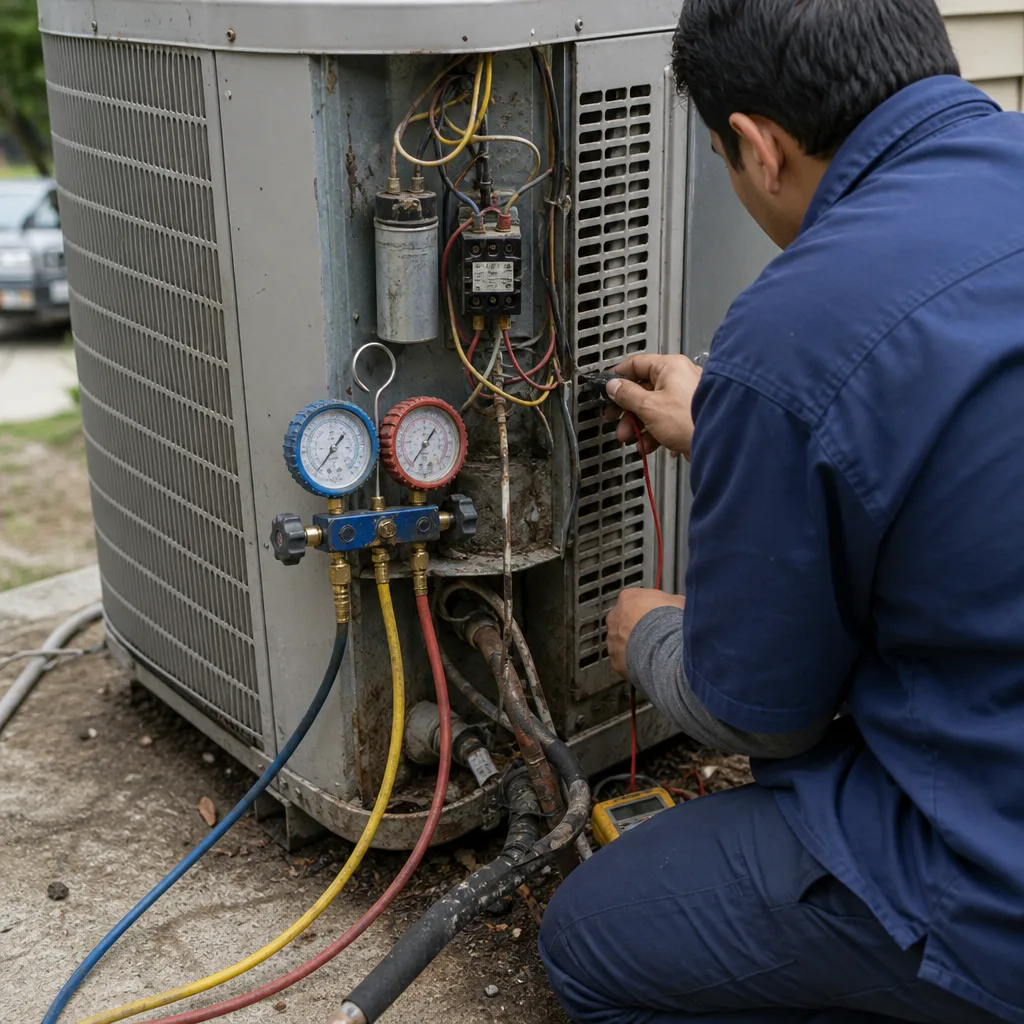 Before
 After
After Before
 After
After Before
 After
After