
Last updated October 16, 2026
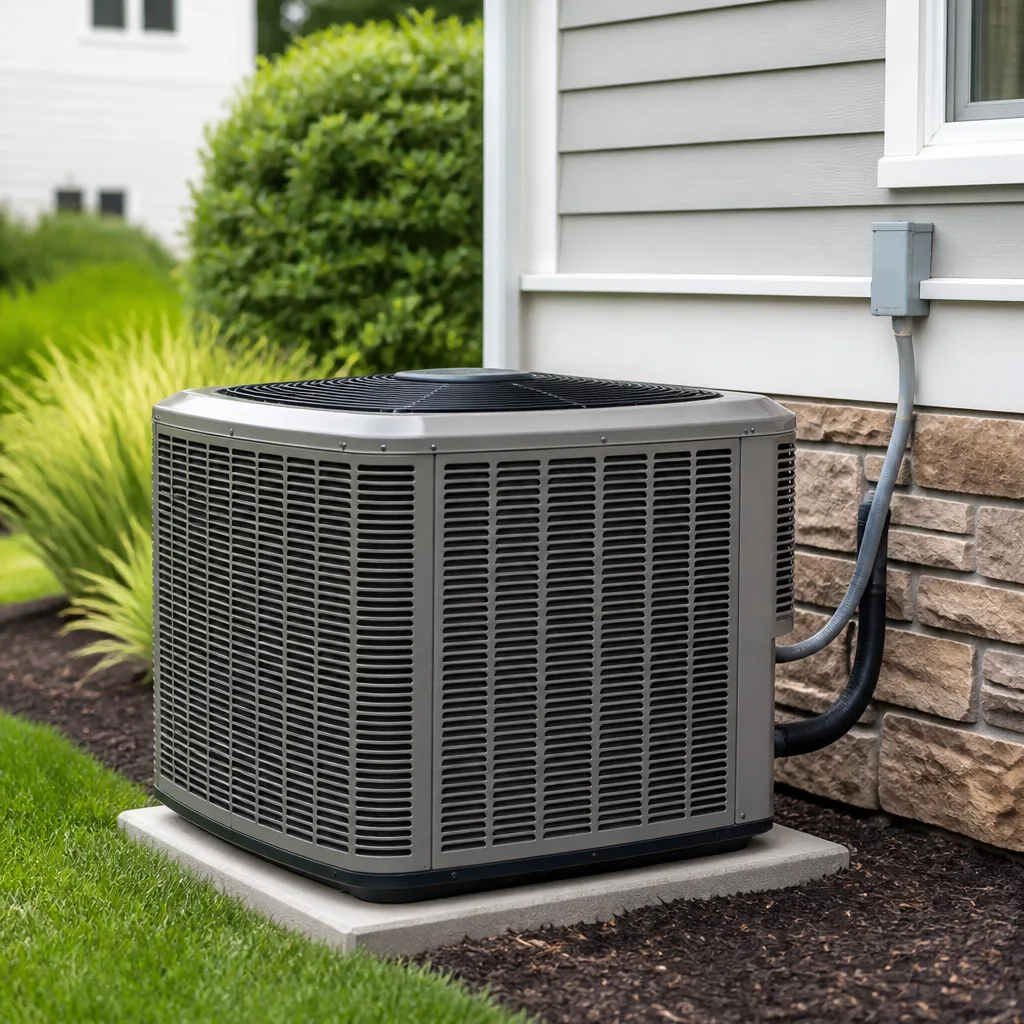 AC repair
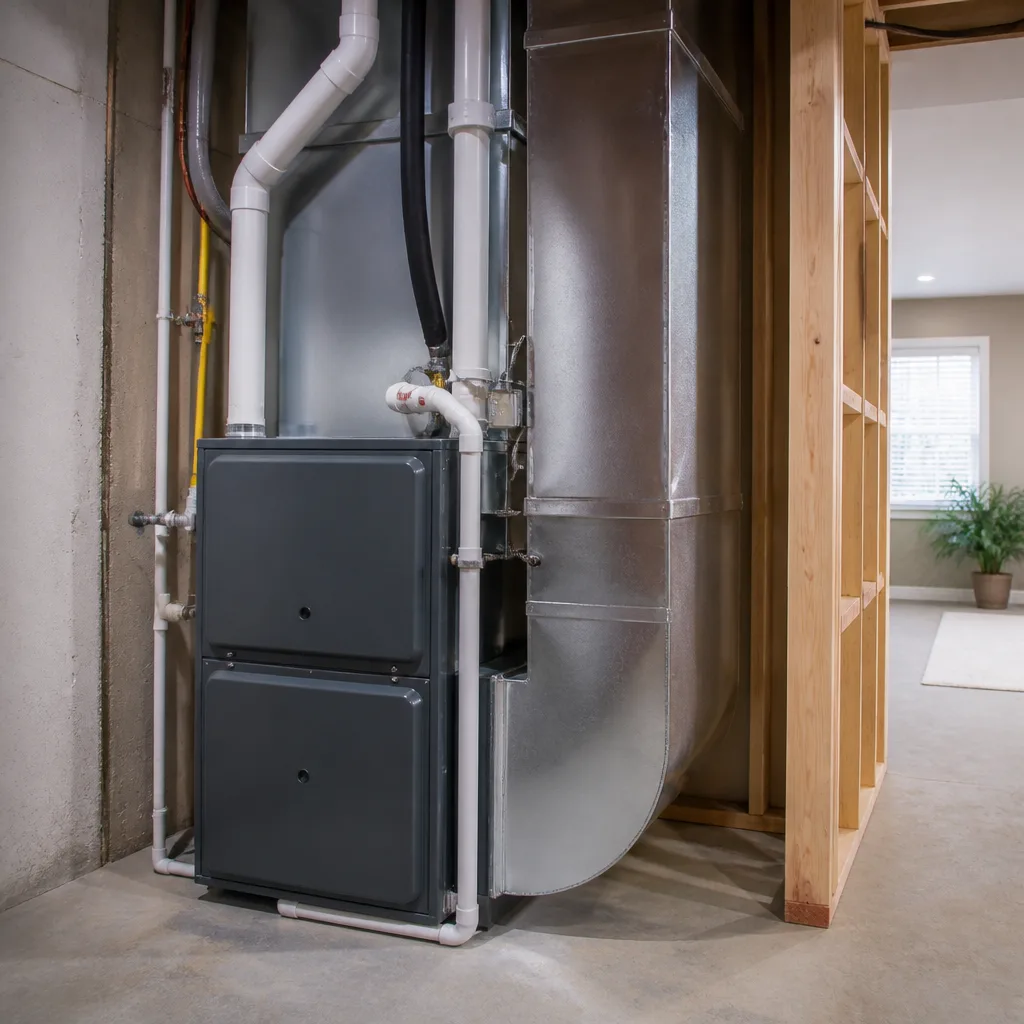 Furnace & heating
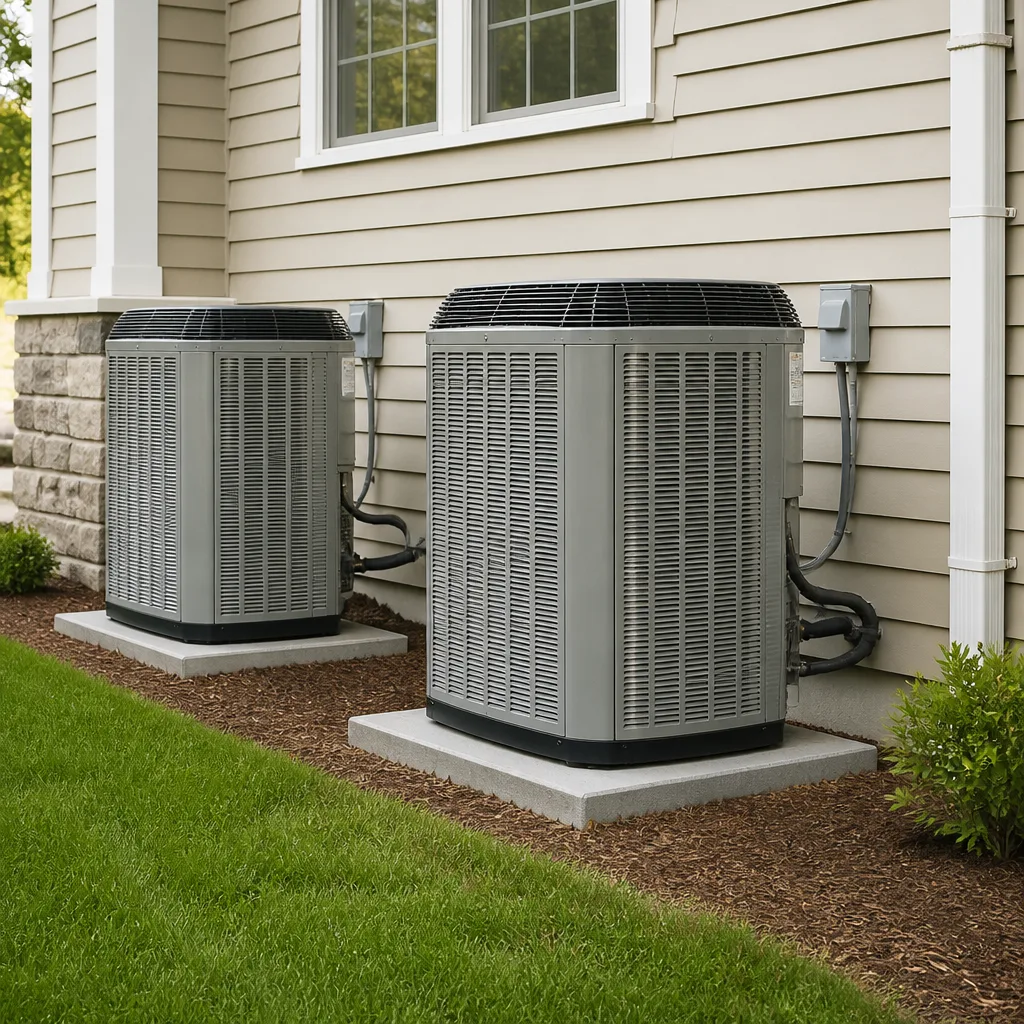 Heat pumps
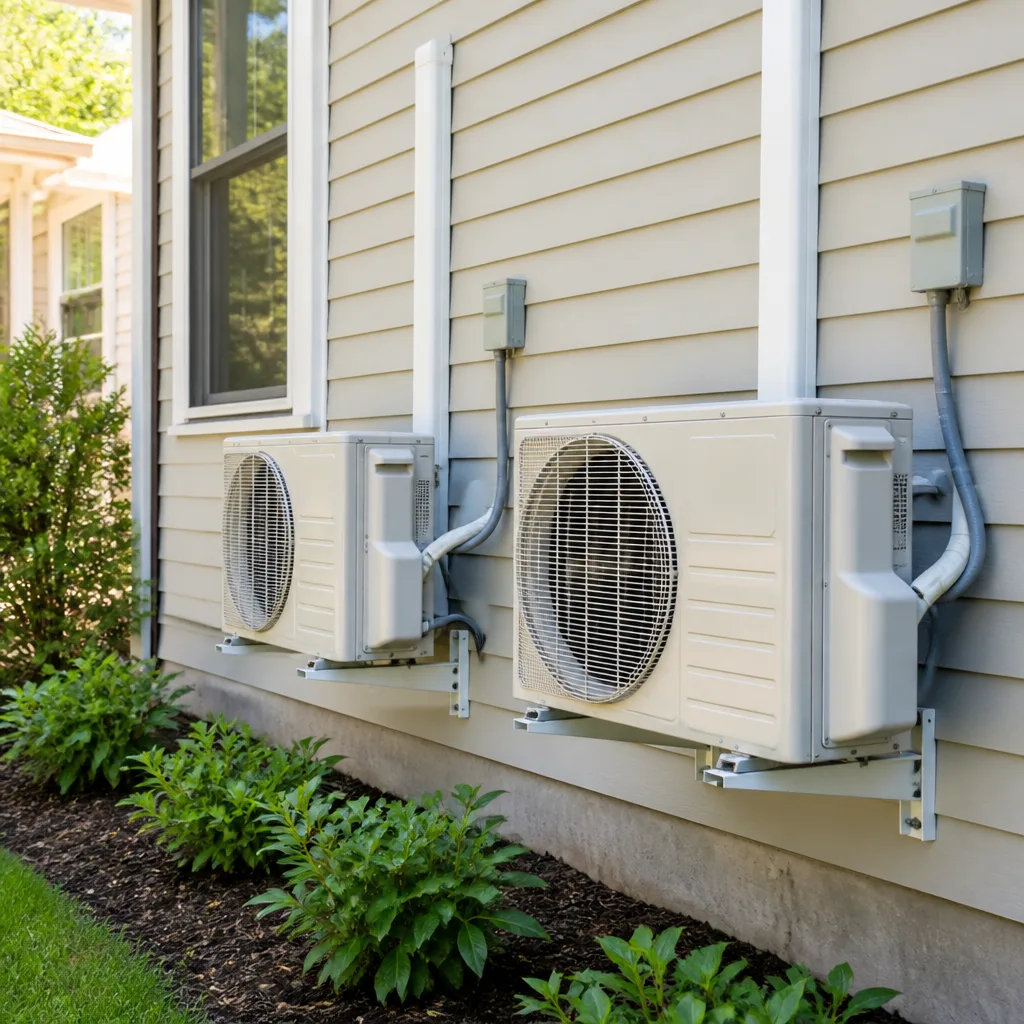 Ductless mini splits
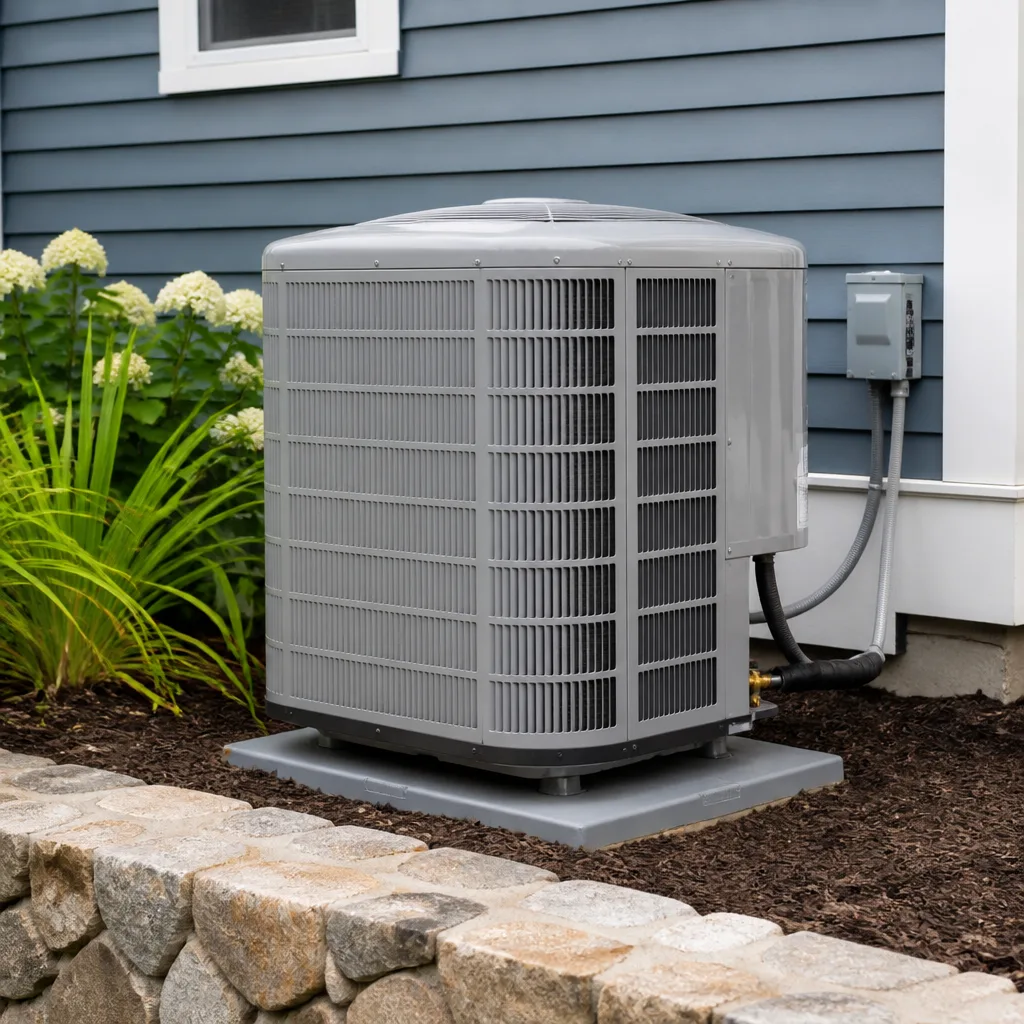 Carrier
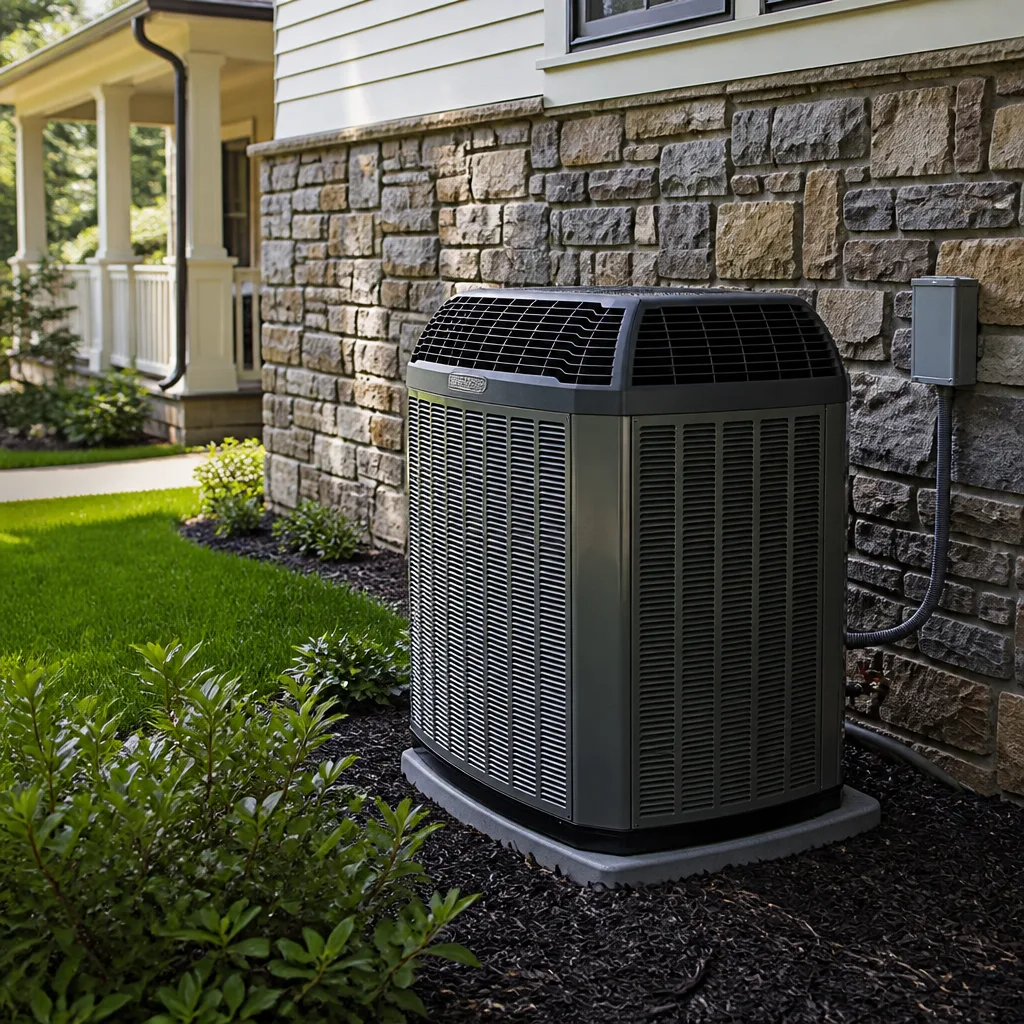 Trane
Trane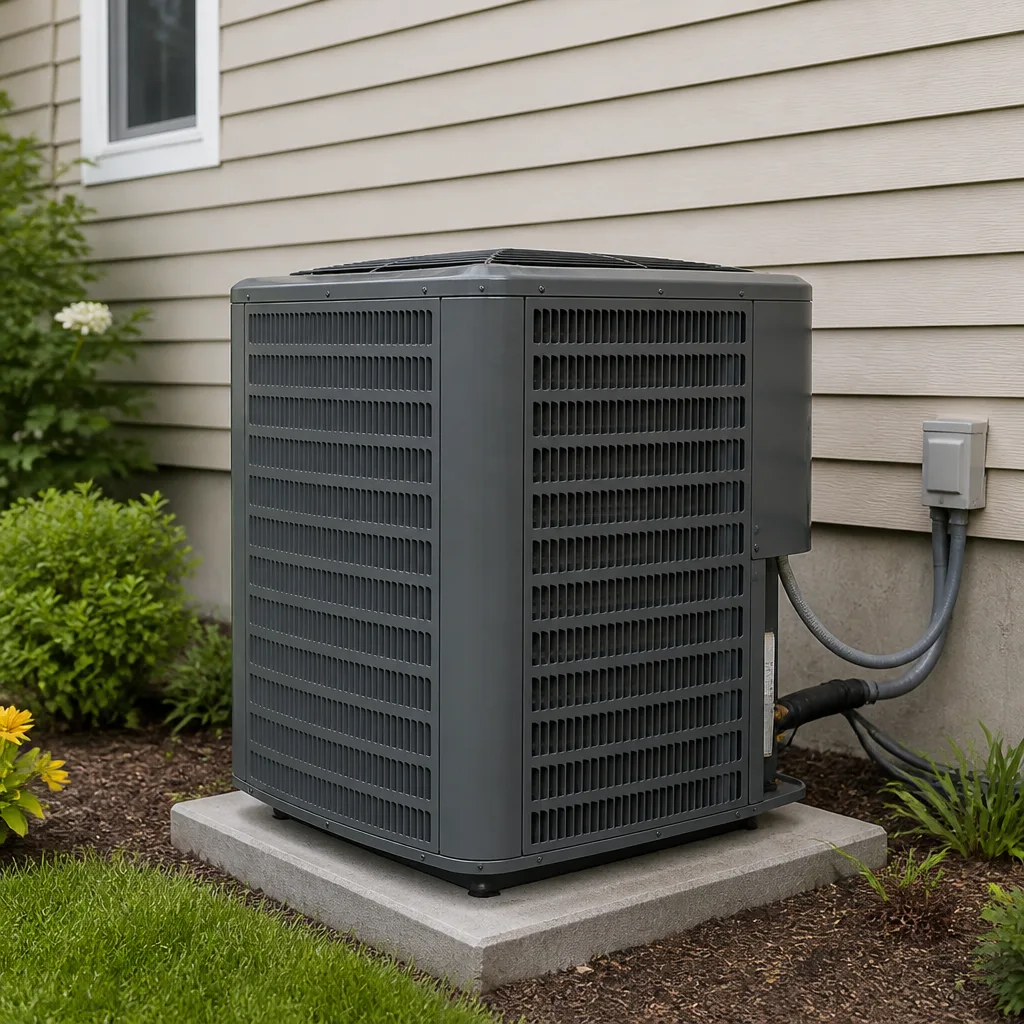 Goodman
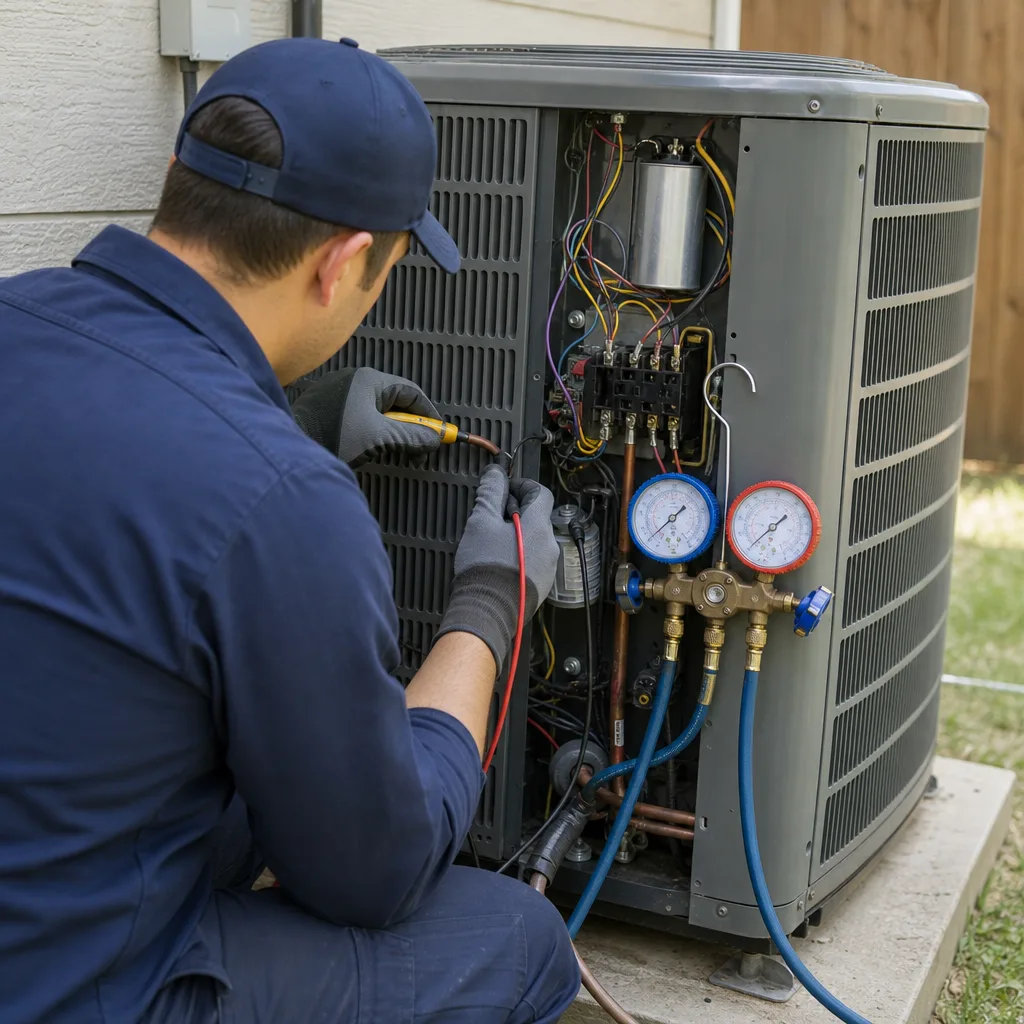
Seasonal tune-up and full diagnostic on your Carrier, Trane, or Goodman system - readings shown to you before any repair is proposed
Diagnosis first, numbers second - you approve the repair price before a single part goes in.
Get your free estimateHVAC Warning Signs: A Fort Worth Homeowner’s Reference Guide
A refrigerant leak that causes a $350 repair in April becomes a $1,800 compressor replacement by July in Fort Worth. Not because the leak got worse, but because the compressor ran hot through three straight heat waves trying to compensate for it. That’s the brutal math of HVAC neglect in North Texas, and it’s why this guide exists. For a broader overview, see The Complete Guide to HVAC in Fort Worth. We’re going to walk through every warning sign your heating and cooling system can throw at you, attach a realistic repair cost range to each one, and give you an honest deadline for action. By the end, you’ll know which symptoms mean “schedule a visit this week” and which ones mean “call someone right now before this gets expensive.”
Quick Answer
Most HVAC warning signs in Fort Worth homes fall into seven categories: unusual sounds, weak airflow, warm air from vents, short cycling, high indoor humidity, rising energy bills, and strange smells. Each one points to a specific component problem with a predictable repair cost, ranging from a $75 capacitor swap to a $2,500+ compressor replacement. Acting within the recommended timeframe for each symptom typically saves Fort Worth homeowners between $300 and $1,500 compared to waiting until total failure.
Styles & brands we work with
Table of Contents
- Warm Air from Vents in July: The Five-Cause Diagnosis Tree
- The Unusual Sounds Glossary: Banging, Squealing, Clicking, Rattling
- Why High Indoor Humidity in Summer Is a Fort Worth-Specific Warning Sign
- Short Cycling: When Your AC Can’t Commit
- Rising Energy Bills Without a Lifestyle Change
- How to Photograph and Document a Warning Sign Before Calling a Tech
- Emergency at 10 PM vs. Scheduled Appointment: The Honest Guide
Warm Air from Vents in July: The Five-Cause Diagnosis Tree
When your AC is running but the air coming out of the vents feels lukewarm or outright warm, there are exactly five likely causes. In our experience across Fort Worth, these rank from cheapest to most expensive, and the order matters because it tells you what to check before you panic.
1. Dirty or Blocked Air Filter ($12 to $45 fix)
A clogged filter restricts airflow across the evaporator coil. Less air moving means less heat exchange, which means warm air at the vent. In Fort Worth’s dusty spring and summer months, filters that should last 90 days often clog in 45. Check this first. It’s a $15 filter versus a $500 service call for something you could have fixed yourself. For a full rundown of seasonal tasks, see our AC Repair Maintenance Checklist for Fort Worth Homeowners.
2. Thermostat Setting or Battery Issue ($0 to $75 fix)
Before you call anyone, verify the thermostat is set to “cool” and “auto” not “on.” The “on” position runs the fan continuously, and between cooling cycles that fan blows uncooled air. A dead thermostat battery can also cause the system to behave erratically. We’ve walked Fort Worth homeowners through this fix over the phone more times than we can count, and it costs nothing to check.
3. Low Refrigerant Due to a Leak ($350 to $800 fix)
A refrigerant recharge (topping off the coolant your system needs to produce cold air) is not a permanent fix. If the system is low, there’s a leak somewhere in the coils or line set. In Fort Worth, where AC systems run hard from May through September, a small leak under pressure becomes a big leak quickly. Expect to pay $150 to $300 for a leak search plus $200 to $500 to repair the leak and recharge the system, depending on where the leak is located. This is the exact scenario where waiting turns a $500 repair into a $1,800 compressor replacement.
4. Failed Capacitor ($150 to $300 fix)
The capacitor gives the compressor and fan motor the initial jolt they need to start. When it fails, the compressor may hum but not run, or the outdoor fan won’t spin while the compressor overheats. It’s one of the most common failures we see in Fort Worth because capacitors degrade faster in extreme heat. The part itself is inexpensive; you’re paying mostly for the diagnostic visit and the labor to safely discharge and replace it.
5. Compressor Failure ($2,200 to $3,800 fix)
This is the worst-case scenario and the reason this guide exists. A compressor that ran hot through months of low refrigerant or restricted airflow eventually burns out. At this price point, you have a decision to make: replace the compressor or replace the entire outdoor unit. For systems over 10 years old, replacement often makes more financial sense, especially with the efficiency gains available on modern equipment from brands like Carrier, Trane, or Goodman. If you’re facing this decision, our AC Installation in Fort Worth guide walks through the math.
Act within: 48 hours. Warm air in July means your system is working harder than it should. Every day of operation under stress shortens the life of your compressor.
The Unusual Sounds Glossary: Banging, Squealing, Clicking, Rattling
Your HVAC system makes noise. That’s normal. But specific sounds are specific warning signs, and each one has a different price tag and urgency level attached. Here’s what we tell Fort Worth homeowners to listen for.
- Banging or clanking from the outdoor unit: A loose or broken component inside the compressor housing, or a fan blade hitting something. Cost range: $150 to $600 depending on what’s loose. Urgency: 48 to 72 hours. Continued operation can turn a loose part into a destroyed one.
- Squealing or screeching at startup: A worn blower motor belt or failing motor bearings. Cost range: $175 to $450. Urgency: 1 week. The sound will get worse and the motor will eventually seize.
- Clicking that repeats every few minutes: The system trying to start but failing, often a capacitor or thermostat issue. Cost range: $75 to $300. Urgency: 24 to 48 hours. Repeated start failures strain the compressor.
- Rattling from the indoor unit: Loose panel, debris in the blower, or a failing blower wheel. Cost range: $100 to $400. Urgency: 1 week unless the sound is metallic and getting louder.
- Hissing or bubbling: Refrigerant escaping from a leak. Cost range: $350 to $800 to locate and repair. Urgency: 24 hours. This is the leak that becomes a compressor replacement if ignored.
One thing we’ve learned from two decades in Fort Worth attics and backyards: sounds are often the first warning sign of a problem that will cost four times more to fix a month from now. If you hear something new, record it on your phone. A 30-second audio clip helps a technician diagnose the issue before they even arrive.
Why High Indoor Humidity in Summer Is a Fort Worth-Specific Warning Sign
Fort Worth summers are humid. That’s not news. But here’s what most homeowners don’t realize: your AC is doing two jobs in July, and you’re only paying attention to one of them. It’s cooling the air and removing moisture. When the humidity inside your house starts feeling sticky even though the thermostat says 74, something in that second job is failing. For tips on keeping moisture under control year-round, read Seasonal HVAC Care for Fort Worth: Year-Round Homeowner’s Guide.
The most common cause we see in Fort Worth is an oversized system. Here’s the counterintuitive part: a system that’s too big for your home cools the air so quickly that it shuts off before it has time to pull moisture out. The result is a cold, clammy house that never feels comfortable. Builders in fast-growing areas like Alliance, Chisholm Trail, and Walsh Ranch sometimes install systems based on square footage alone without accounting for ceiling height, window orientation, or shade coverage. An undersized system (one that runs constantly but struggles to hit the set temperature) creates the opposite problem: it never gets the air cold enough to condense moisture out of it.
Other causes of high indoor humidity include a failing blower motor that isn’t moving enough air across the coil, a refrigerant charge that’s off, or a clogged condensate drain line backing up water into the pan. All of these have repair costs in the $150 to $600 range when caught early, and all of them get more expensive the longer they run.
Act within: 1 week. High indoor humidity isn’t just uncomfortable. It feeds mold growth, warps wood floors, and forces your system to work harder to hit the same temperature.
Short Cycling: When Your AC Can’t Commit
Short cycling is the term for a system that turns on, runs for a few minutes, shuts off, and repeats. It’s one of the most reliable indicators that something is wrong, and it’s also one of the easiest to ignore because, hey, the house is still cooling, right?
Here’s the problem: every start cycle is the hardest moment for your compressor. It pulls more current in the first second than it does in the next ten minutes of running. Short cycling multiplies those hard starts, and hard starts are what kill compressors before their time.
The three most common causes of short cycling in Fort Worth homes:
- Oversized system: Same issue as the humidity problem above. The system cools the house too fast and shuts off before completing a full cycle. This is a design issue, not a repair issue, and the fix is usually a properly sized replacement.
- Faulty thermostat: A thermostat mounted in direct sunlight, near a heat source, or simply failing can read the temperature wrong and cycle the system erratically. Cost to fix: $75 to $250.
- Refrigerant overcharge or undercharge: Both cause pressure switches to trip and shut the system down as a safety measure. Cost to fix: $150 to $500 depending on the underlying cause.
Act within: 72 hours. Short cycling isn’t an immediate emergency, but every day of short cycling is a day of accelerated compressor wear. In a Fort Worth summer, that adds up fast.
Rising Energy Bills Without a Lifestyle Change
Your electric bill in Fort Worth should follow a predictable seasonal pattern: higher in summer, lower in spring and fall, moderate in winter. When the bill spikes without a matching spike in outdoor temperature, your HVAC system is telling you something.
There’s a diagnostic approach we use that any homeowner can apply. Pull your last 12 months of electric bills. Look at the kilowatt-hours used, not the dollar amount (rates change). Compare this July to last July, adjusting for any difference in average temperature. A 15 to 20 percent increase with no other explanation points to an efficiency problem inside the system.
The usual suspects, in order of frequency we see them in Fort Worth:
- Dirty condenser coil: The outdoor unit’s coil is coated in dust, cottonwood, and grass clippings. Restricted heat transfer means the system runs longer to hit the same temperature. Fix: a professional coil cleaning, $100 to $200.
- Low refrigerant: Covered above. The system runs longer cycles to compensate. Fix: $350 to $800.
- Leaking ductwork: Fort Worth attics can hit 140 degrees in August. If your ducts are leaking conditioned air into that attic, you’re paying to cool the rafters. Duct sealing runs $300 to $800 depending on access.
- Aging system: A 15-year-old unit running at 60 percent of its original efficiency compared to a new 16+ SEER system. The bill difference alone can justify replacement over time.
Act within: 2 weeks. Energy bill spikes are slow-burning warning signs. They don’t require an emergency call, but they do require investigation before the next billing cycle.
How to Photograph and Document a Warning Sign Before Calling a Tech
This is the section most HVAC guides skip, and it’s the one that can save you real money. When a technician quotes a repair, you want a baseline. A photo taken before the visit gives you something to compare against and protects you from inflated quotes built on vague descriptions.
Here’s the documentation process we recommend to Fort Worth homeowners:
- Photograph the symptom, not just the system. If the outdoor unit is making a sound, record a video with the sound clearly audible. If there’s ice on the lines or coil, photograph it. If water is pooling, photograph the puddle and the path of the water.
- Photograph the data plate. Every outdoor unit has a metal plate with the model number, serial number, and refrigerant type. This photo lets the technician look up the exact specifications before arriving and confirms they’re servicing the unit you actually have.
- Photograph the thermostat settings. If you’re reporting a temperature issue, a photo of the thermostat showing the set temperature and the actual room temperature is worth a thousand words.
- Note the time and conditions. “AC running warm air at 4 PM, outdoor temp 101” is much more useful than “AC not really working.” Fort Worth’s outdoor temperature at the time of the symptom matters for diagnosis.
- Keep a simple log. If the problem is intermittent, note the date, time, and what was happening each time it occurred. Intermittent problems are the hardest to diagnose, and a log helps a technician spot the pattern.
When you call a company like Halden Heating and Air Fort Worth, you’ll get a written price before any work starts, but your own documentation is still valuable. It confirms what was found and protects both you and the technician from miscommunication.
Emergency at 10 PM vs. Scheduled Appointment: The Honest Guide
Fort Worth nights in July and August hover in the low 80s. That’s uncomfortable but not dangerous for most healthy adults. January nights in North Texas can drop into the 20s, which is a different story. Here’s our honest guidance on when to pay for an after-hours call and when to wait for a standard appointment.
Call at 10 PM when:
- Your furnace is blowing cold air and the overnight forecast is below freezing. Frozen pipes and a freezing house are safety issues, not comfort issues.
- You smell gas or burning. Shut the system off, open windows, and call immediately. This is an emergency, full stop.
- A senior, infant, or someone with a medical condition lives in the home and the indoor temperature is above 85 or below 55.
- The outdoor unit is making a loud, violent sound like metal on metal. Continued operation could destroy the compressor.
Schedule a standard appointment when:
- The AC is running but struggling to keep up on a 95-degree day. Set the thermostat a couple degrees higher and wait for a daytime visit.
- The system is short cycling but still producing cool air.
- You’ve noticed a new sound but the system is still functioning normally.
- Your energy bill spiked and you want an efficiency check.
After-hours fees in Fort Worth typically add $75 to $150 to a service call. That’s money well spent when the situation is genuinely urgent, and money wasted when a scheduled visit the next morning would have solved the same problem. We answer the phone 24/7 so you can talk through your specific situation with a real person before deciding. The call is free, and we’ll tell you honestly whether the symptom warrants an after-hours visit.
Common Mistakes to Avoid
- Ignoring a new sound because the system still works. Sounds are early warning signs. Every month you wait adds wear to whatever part is failing. A $175 motor bearing fix becomes a $450 motor replacement.
- Topping off refrigerant without finding the leak. In Fort Worth’s heat, the leak will re-open. You’re paying for a temporary fix that guarantees a bigger repair later.
- Setting the thermostat below 70 in an attempt to compensate for a struggling system. This forces the system to run longer without improving output. It shortens compressor life and spikes your bill.
- Closing vents in unused rooms. This increases static pressure in the ductwork, which strains the blower motor and can cause coil freezing in our dry, hot summers. It doesn’t save energy.
- Neglecting the condensate drain line. Fort Worth’s humid summers mean algae grows fast in drain lines. A clogged line causes water damage and system shutdowns. A $15 maintenance flush prevents it.
- Replacing one component without asking about system age. A new compressor in a 14-year-old system is a band-aid. Ask whether replacement makes more sense before writing a big check.
- Waiting until total failure to call. The theme of this entire guide. Systems rarely fail without warning. Every warning sign is an opportunity to fix a $300 problem before it becomes a $3,000 one.
See the difference
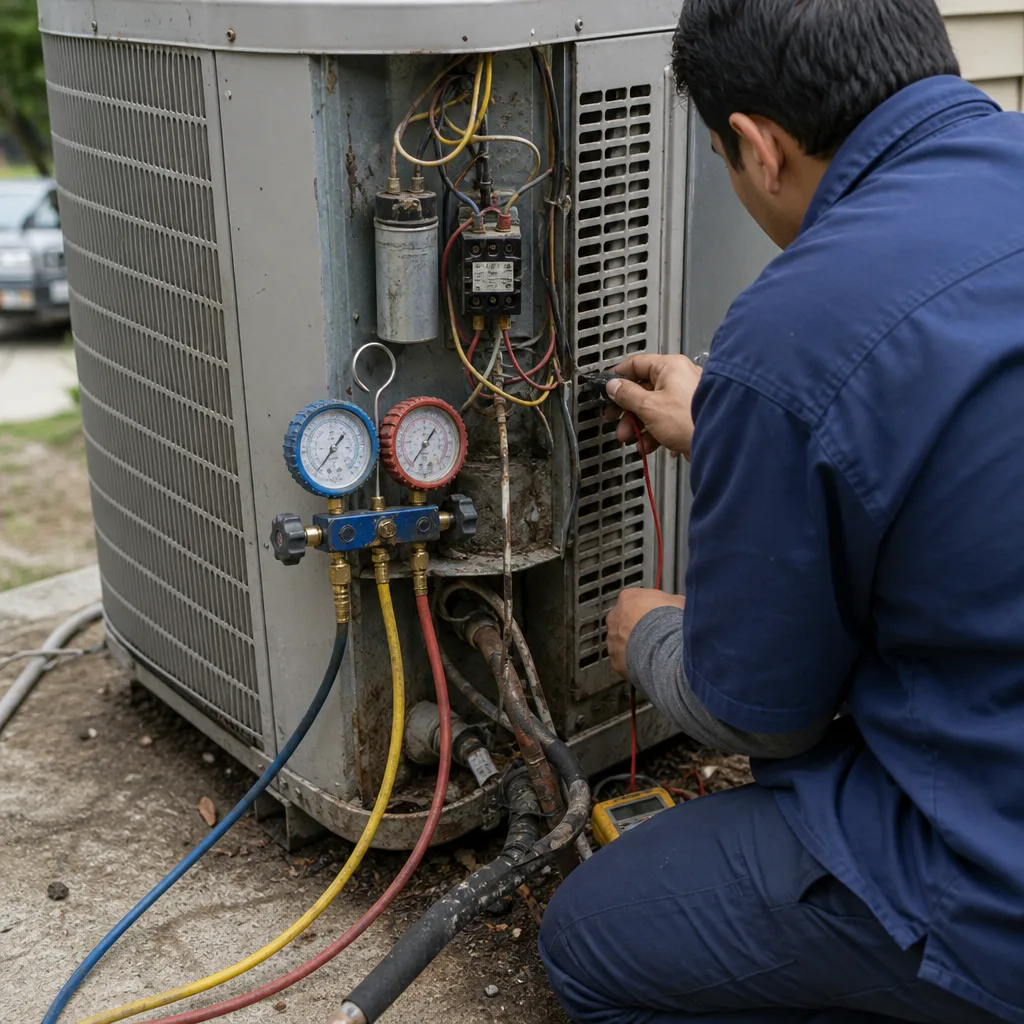 Before
 After
After Before
 After
After Before
 After
AfterWhen to Call a Professional
Call a professional when the warning sign involves refrigerant, electrical components, gas connections, or anything you can’t visually inspect without opening a sealed system. These aren’t DIY-appropriate areas. High-voltage capacitors hold a charge even after the power is off, refrigerant requires EPA certification to handle, and gas lines are not something to troubleshoot by smell. If you’re in the Fort Worth area and seeing any of the warning signs in this guide, Halden Heating and Air Fort Worth offers free estimates with a written price before any work starts. Our technicians carry the tools and training to diagnose the problem accurately the first time, and we service all major brands including Carrier, Trane, Lennox, Goodman, Rheem, York, Daikin, Bryant, and American Standard. Call (817) 632-5499 or book online and track your technician’s live arrival time to your door.
Frequently Asked Questions
Most HVAC repairs in Fort Worth run between $150 and $500 depending on the part and the system. A basic capacitor replacement is usually $150 to $300, a refrigerant leak repair runs $350 to $800, and a blower motor replacement is $400 to $700. The most expensive common repair is a compressor replacement, which runs $2,200 to $3,800. AC Repair in Fort Worth through Halden Heating and Air always includes a written price before any work starts, so there are no surprises at the door. Call (817) 632-5499 for an exact quote.
The most common HVAC warning signs are unusual sounds (banging, squealing, clicking, rattling), weak airflow from vents, warm air when the system is set to cool, short cycling (frequent on/off cycles), high indoor humidity, rising energy bills, and strange smells from the system or vents. Each of these points to a specific component issue, and most are repairable for under $500 when caught early. If you’re noticing any of these, call Furnace Repair in Fort Worth for heating issues or the AC team at (817) 632-5499 for cooling problems.
Repair usually makes sense when the system is under 10 years old and the repair costs less than 30 percent of a replacement. Replacement makes sense when the system is over 12 years old, the repair is a compressor or heat exchanger, or your energy bills have climbed steadily despite regular maintenance. In Fort Worth’s climate, where systems run hard for five months straight, a 15-year-old system is living on borrowed time. Halden Heating and Air Fort Worth will give you an honest assessment without pushing replacement when repair is the smarter call. Call (817) 632-5499 for a free second opinion.
Yes. We offer same-day service for most repair calls in Fort Worth, and we answer the phone 24/7 with a real person, not a voicemail tree. Book online, get a live arrival time, and track your technician to the door. For genuine emergencies like a furnace out in freezing weather or a senior in the home during a heat wave, we prioritize those calls. Call (817) 632-5499 to check same-day availability.
Many Fort Worth homeowners qualify for manufacturer rebates on high-efficiency systems and utility incentives through Oncor for upgrading to qualifying SEER2-rated equipment. Halden Heating and Air Fort Worth handles the rebate paperwork for you on qualifying installations of Carrier, Trane, Goodman, Rheem, York, Daikin, Bryant, and American Standard systems. Financing options are available. Call (817) 632-5499 and we’ll walk through what your specific home qualifies for.
An AC that runs but leaves the house feeling sticky is usually one of three things: an oversized system that cools too quickly to dehumidify, a refrigerant charge that’s off, or a blower motor that isn’t moving enough air across the coil. All three are diagnosable with a service visit, and none require a full system replacement to fix in most cases. In Fort Worth’s humid summer months, this is one of the most common complaints we hear. Call (817) 632-5499 for a diagnosis, and you’ll get a written price before any work begins.
The Bottom Line
Every HVAC warning sign has a dollar amount and a deadline attached. Warm air in July means check the filter, then the thermostat, then the refrigerant, and act within 48 hours because your compressor is paying for your delay. Strange sounds are specific diagnoses with specific price tags, and high indoor humidity in Fort Worth is often a system sizing issue, not a comfort preference. Document what you see before calling a technician, know when an after-hours call is actually worth the fee, and never let a $350 repair sit until it becomes a $1,800 replacement. Halden Heating and Air Fort Worth has served the area since 2004, and every job comes with a written price, a written guarantee, and a free second visit if the repair fails. For more guides & resources, visit our blog. Call (817) 632-5499 or book online, and you’ll know exactly what’s coming and what it costs before anyone touches your unit.
Written by Andre Fuller, Owner at Halden Heating and Air Fort Worth, serving Fort Worth since 2004.