
Last updated October 16, 2026
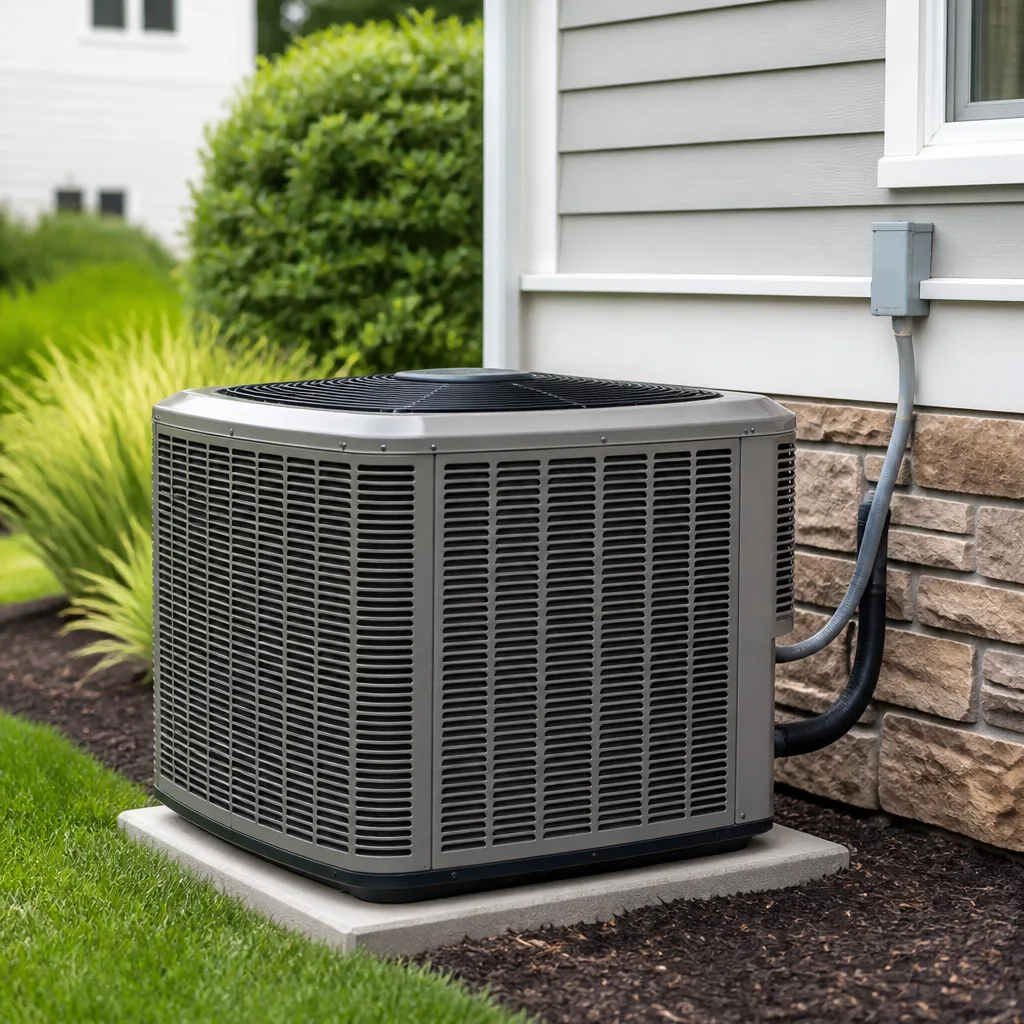 AC repair
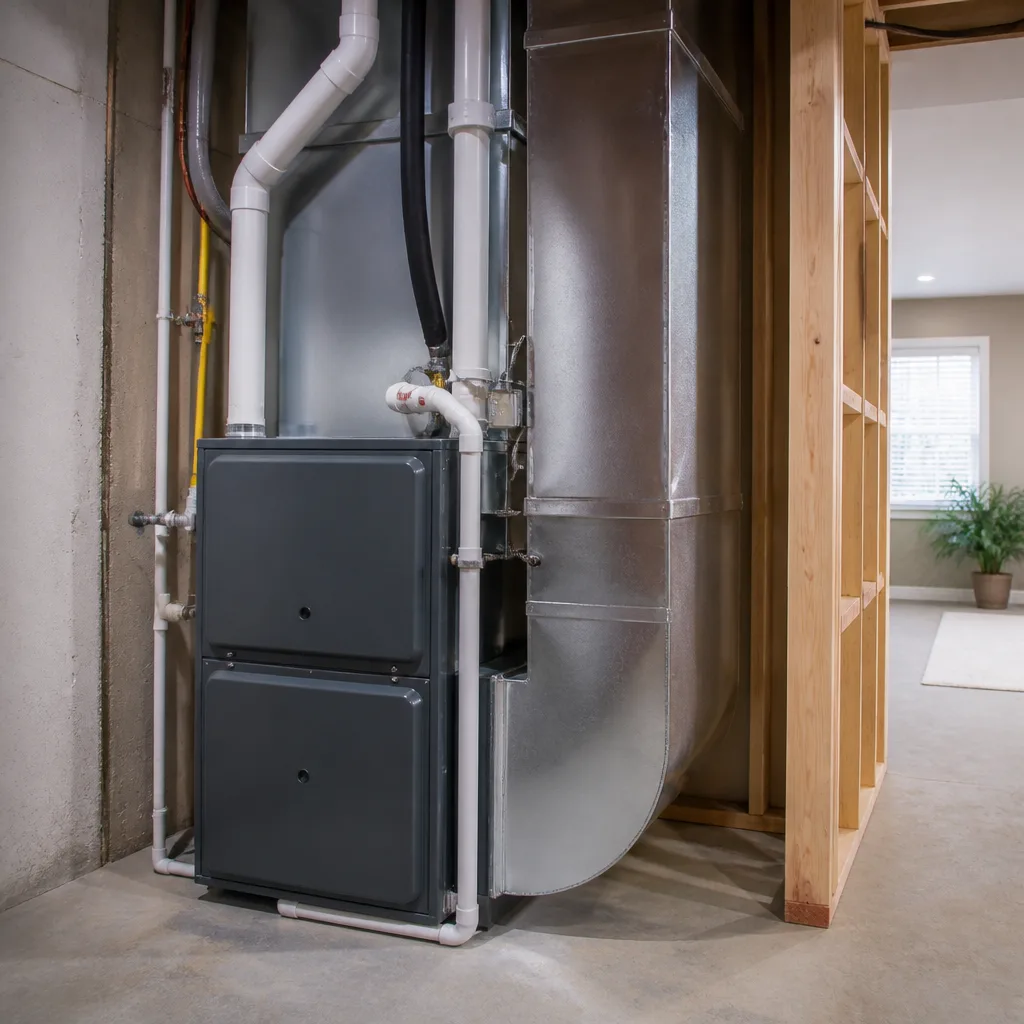 Furnace & heating
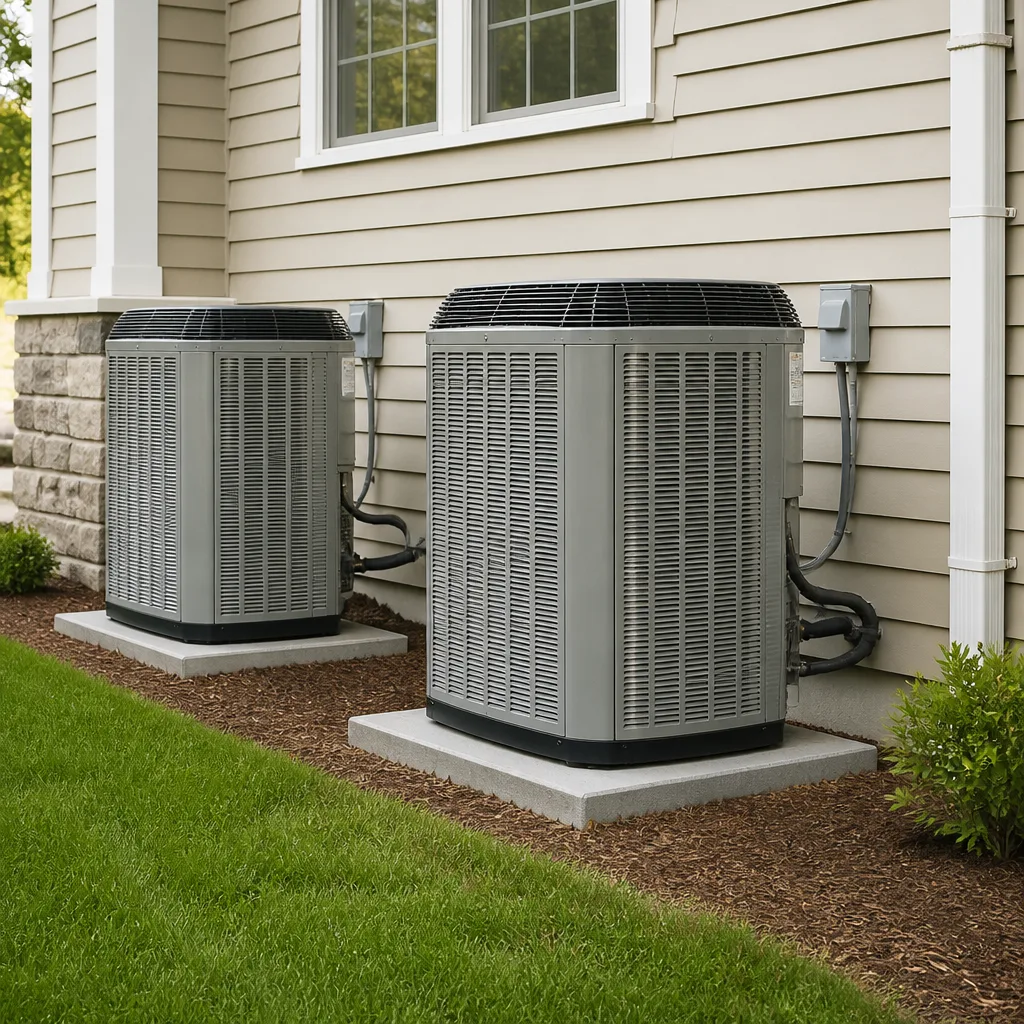 Heat pumps
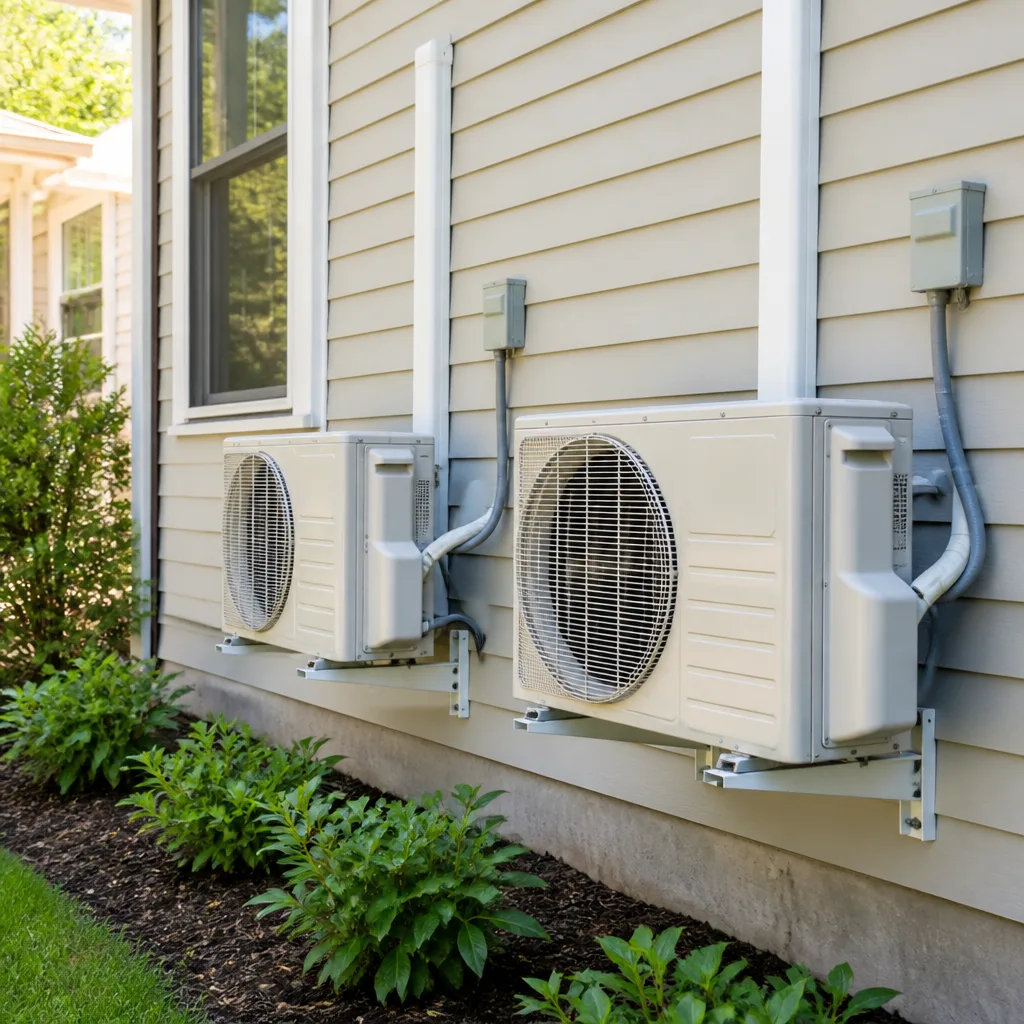 Ductless mini splits
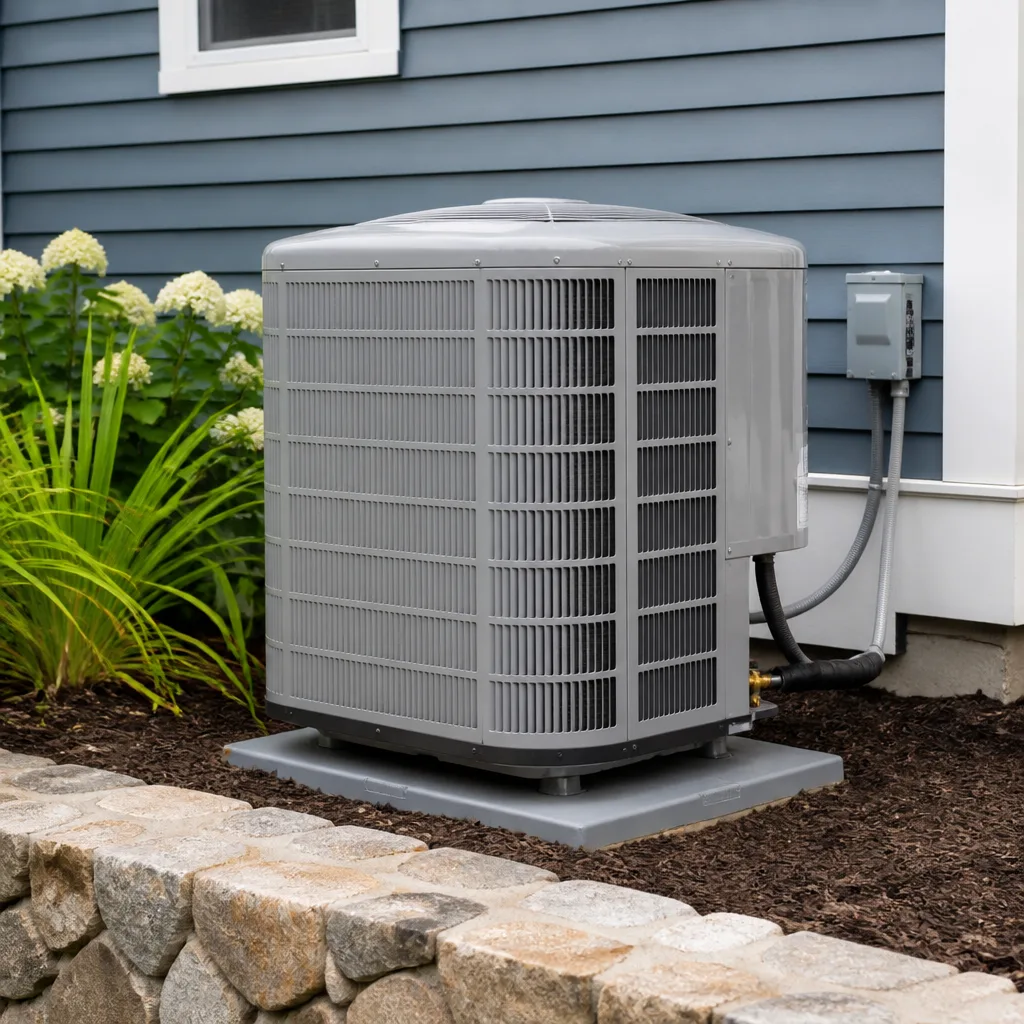 Carrier
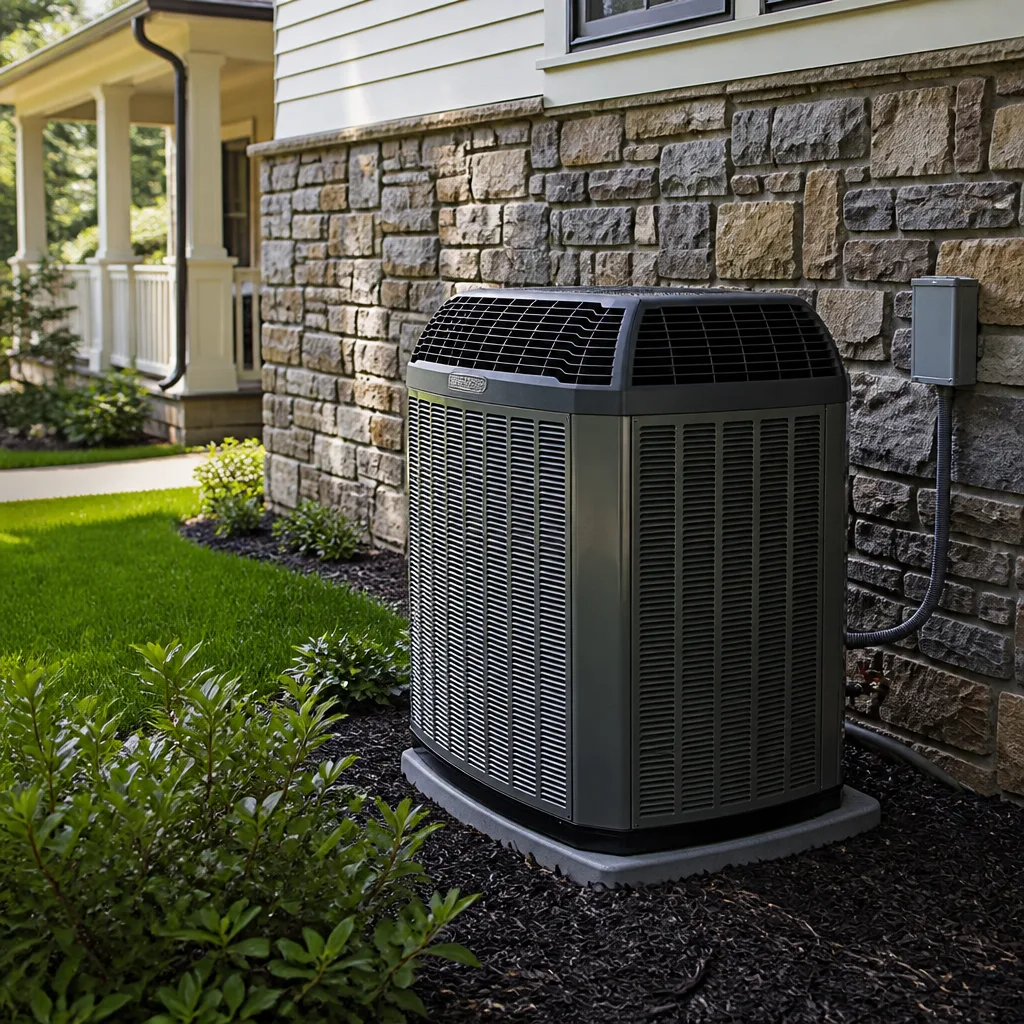 Trane
Trane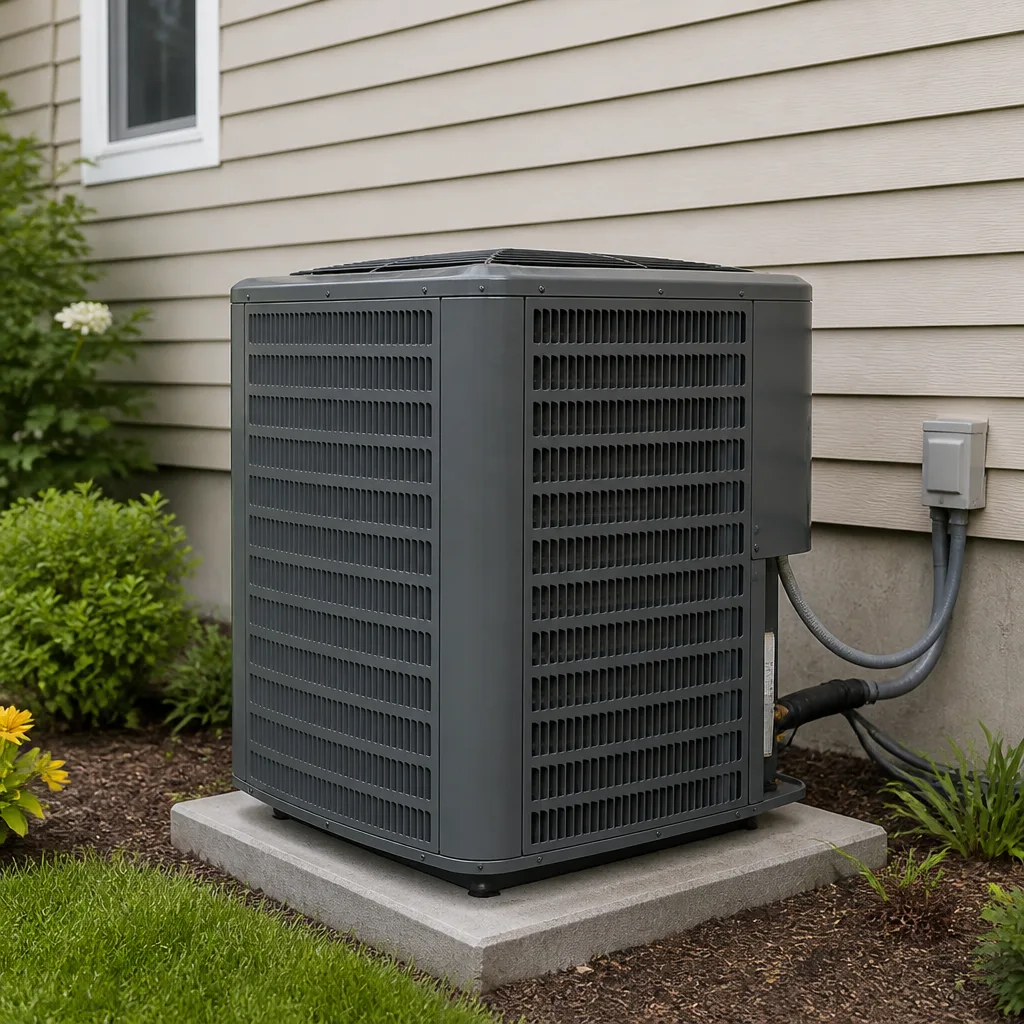 Goodman
Seasonal tune-up and full diagnostic on your Carrier, Trane, or Goodman system - readings shown to you before any repair is proposed
Diagnosis first, numbers second - you approve the repair price before a single part goes in.
Get your free estimateSeasonal HVAC Care for Fort Worth: Year-Round Homeowner’s Guide
Fort Worth doesn’t do seasons the way the rest of the country does. We get a long, punishing summer, a short blast of winter, and two narrow shoulder windows in between that most national HVAC guides gloss over with generic “spring” and “fall” advice. The truth is, the window to prep your heating system before the first real cold front is often just six to eight weeks long. Homeowners who wait until October to schedule a furnace check regularly find themselves stuck behind a two-week backlog right when the temperature drops. This guide is built around Fort Worth’s actual calendar: what to do in February, May, August, and November, how to read your energy usage like a local, and when to book so you never pay peak-season prices or wait on a four-hour arrival window. For the complete guide to HVAC in Fort Worth, see our deeper resource.
Styles & brands we work with
Quick Answer
The most effective seasonal HVAC care in Fort Worth runs on a four-point annual rhythm: a cooling check in February before heat arrives, a full AC tune-up in May, a heating system inspection in August, and a quick heating test in November. Filters need changing every 30 to 60 days depending on cedar, oak, and construction dust in your neighborhood. Booking during the shoulder seasons of mid-March and late September gets you faster service at lower prices, and you can Halden Heating and Air Fort Worth home to lock in a written price before any work starts.
Table of Contents
- Fort Worth’s Real Climate Calendar (Not the National One)
- The Fort Worth HVAC Calendar by Month
- The Shoulder Season Window: Mid-March and Late September
- Fort Worth’s Filter Schedule: Cedar, Oak, and Construction Dust
- Ice Storm Prep: What a Fort Worth Freeze Does to Your Heat Pump
- Using Oncor Usage Data to Catch a Failing System Early
- Should You Repair or Replace Before Peak Season?
- Common Mistakes to Avoid
- When to Call a Professional
- Frequently Asked Questions
- The Bottom Line
Fort Worth’s Real Climate Calendar (Not the National One)
Most HVAC maintenance guides assume four seasons of roughly equal length. That model fails badly in Fort Worth. We have roughly five months of hard cooling demand, three months of intermittent heating, and four months of transition where your system switches between modes sometimes in the same week. The first 100-degree day in Fort Worth typically arrives in early June, but we’ve seen highs hit 95 in May. The first hard freeze usually lands between mid-November and early December, though ice events have arrived as early as late October. What this means for your HVAC system is simple: there is no true off-season. Your compressor runs hard for nearly half the year, and your furnace cycles enough from November through February to accumulate wear. Homes in neighborhoods like Wedgwood, Arlington Heights, and Ryan Place deal with mature tree cover that dumps leaves and pollen directly onto condenser coils. Newer developments in Far North Fort Worth and Alliance deal with constant construction dust from ongoing builds. Both scenarios shorten filter life and reduce airflow faster than the national 90-day filter advice assumes.
If you operate on the generic national schedule, you’ll be about six weeks late on cooling prep and a month late on heating prep every single year. The fix is simple: shift your maintenance calendar to local weather patterns, not equinox dates.
The Fort Worth HVAC Calendar by Month
Here is the month-by-month breakdown we recommend for Fort Worth homeowners. This is the schedule we’ve developed from two decades of service calls across the metro, and it reflects when systems actually fail here, not what a national checklist says.
February: Pre-Cooling Inspection
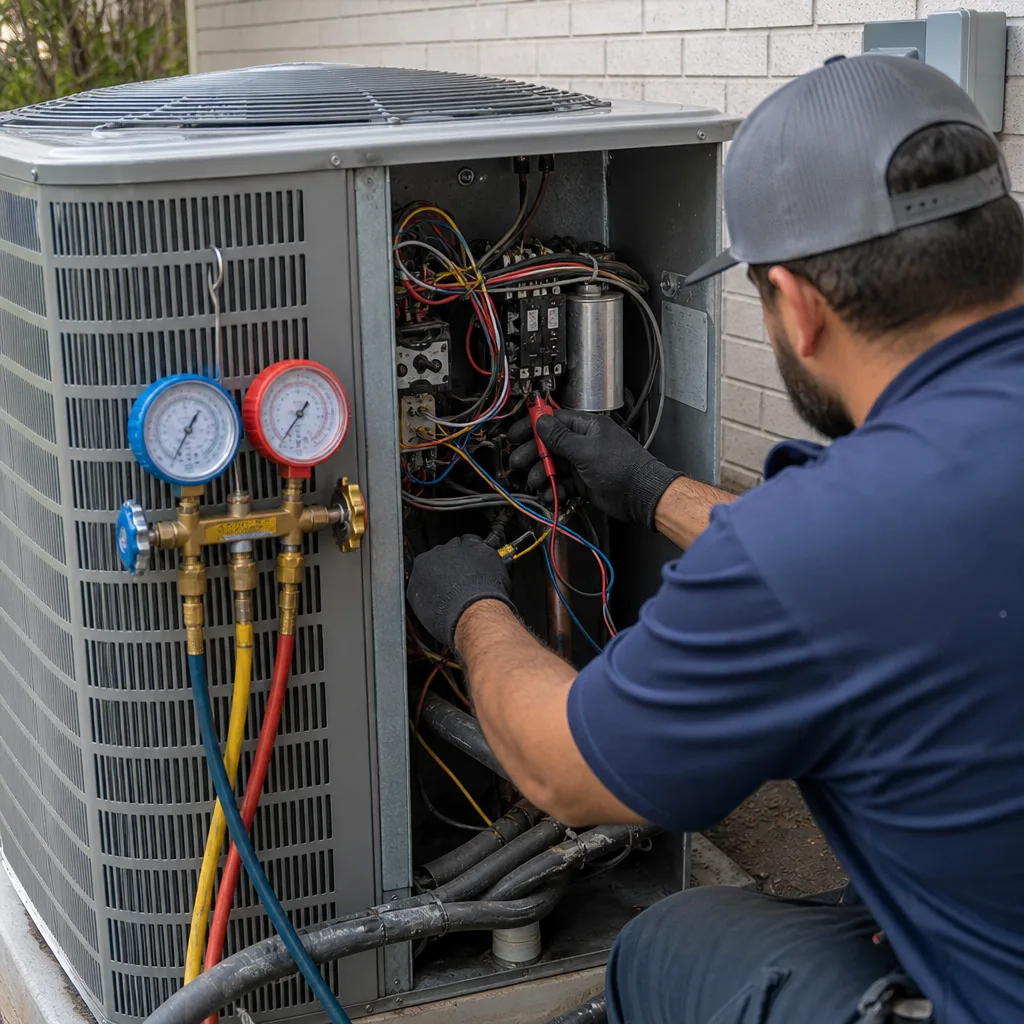
February in Fort Worth is when smart homeowners get ahead of the summer rush. Highs are typically in the 50s and 60s, which means your AC has been idle for months, but it won’t be for long. By late April, daytime temps regularly pass 85. A cooling check in February catches issues like low refrigerant, worn capacitors, or corroded contactors while they’re still minor. More importantly, you’ll skip the May and June service surge when every HVAC company in Tarrant County is booking a week out or more. If you’re budgeting, most cooling inspections and minor AC repair in Fort Worth work runs between $150 and $500 depending on the part. Refrigerant recharge, which is topping off the coolant your system needs to produce cold air, typically lands in the $200 to $400 range if there’s no major leak.
May: Full Cooling System Tune-Up
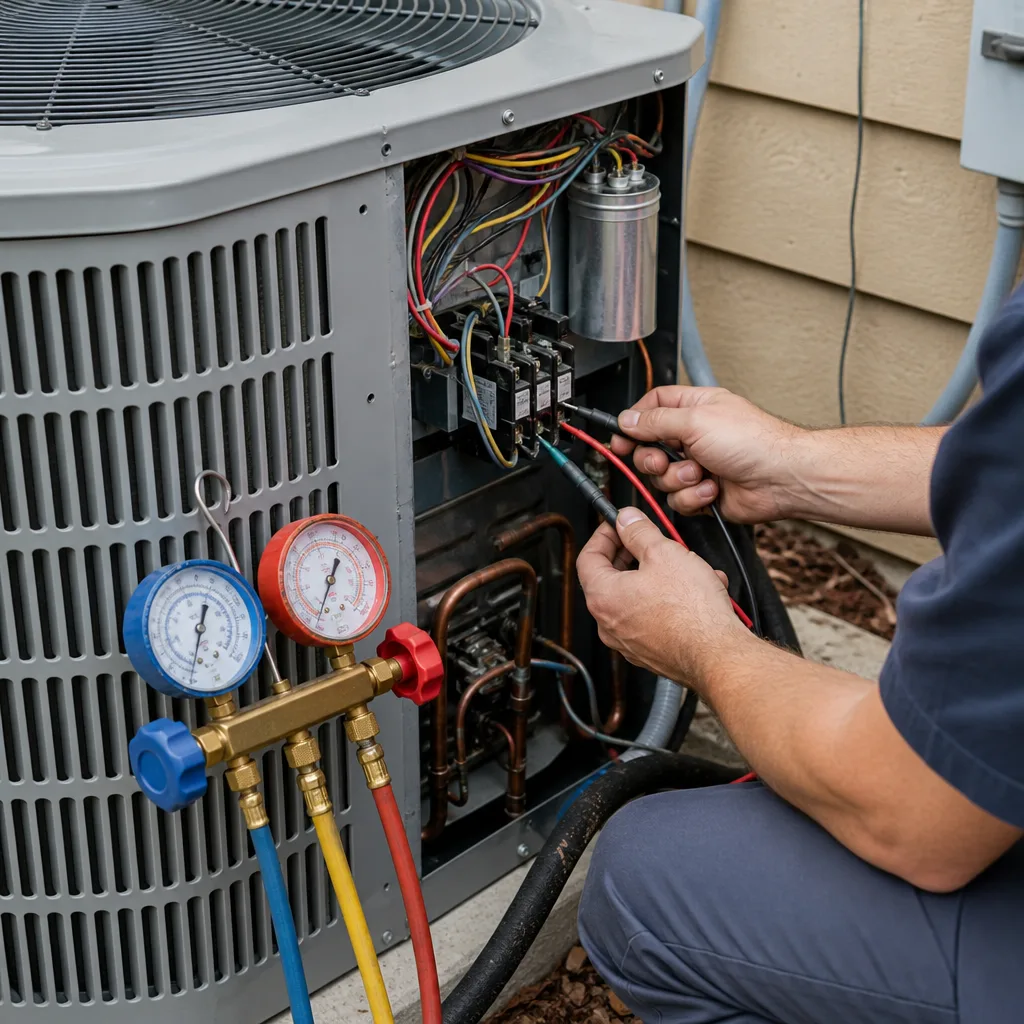
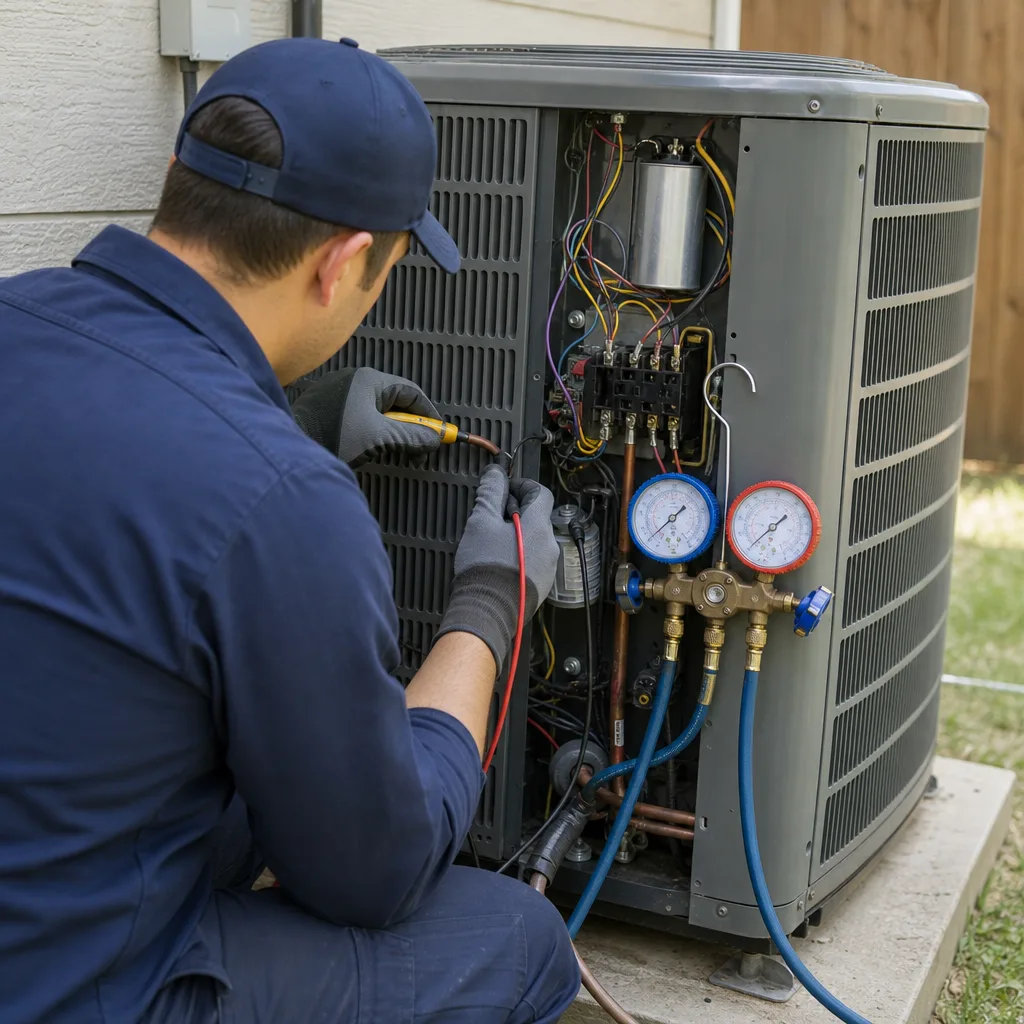
By May, Fort Worth is warming up fast. Your system is about to start running 10 to 14 hours a day. A full tune-up now means coil cleaning, drain line clearing, capacitor testing, and refrigerant level checks before the first real heat wave-everything covered in our AC Repair Maintenance Checklist for Fort Worth Homeowners. Clogged condensate drains are one of the most common service calls we see in May and June, and they’re almost entirely preventable with a spring check. If you have a Trane or Carrier system, the manufacturer’s warranty often requires documented annual maintenance to stay valid. Skipping the tune-up can void coverage on a compressor that costs thousands to replace.
August: Heating System Inspection Before Fall
August sounds like a strange time to think about your furnace, but it’s actually the smartest heating prep move a Fort Worth homeowner can make. The first cold front typically arrives in late October, and by the time you feel that first chilly morning, every heating contractor in the metro is booked solid. An August inspection checks your heat exchanger for cracks, tests your ignitor, verifies gas pressure, and runs the system briefly to confirm it fires. Most furnace repair in Fort Worth during peak season runs between $200 and $600 for common parts like ignitors, flame sensors, and pressure switches. August pricing is usually lower, and you’ll get your pick of appointment times instead of whatever is left.
November: Heating Test Before the First Freeze
By November, the first freeze is close. This is a simple test: turn your heat on for 20 minutes. Walk the house. Check every vent for warm air. Listen for unusual sounds. Change the filter if you haven’t in the last 45 days. If anything feels off, call immediately. Waiting until December means waiting behind everyone else who discovered their heat was broken on the first cold morning of the year. A furnace that won’t start is often a $150 to $300 fix in November. That same repair can take an extra week to schedule in January.
The Shoulder Season Window: Mid-March and Late September
Fort Worth’s two shoulder seasons are the best-kept secret in HVAC maintenance. They’re short, they’re quiet, and they’re when you can get the best pricing and fastest service. Mid-March falls between the last hard freeze and the first real heat. Late September sits between the last 100-degree day and the first cold snap. During these windows, HVAC companies across Fort Worth have open schedules. Tune-up pricing is often lower because demand is low. Same-day service is actually available. If you can plan your maintenance around these windows, you’ll save money and avoid the phone-tag chaos of peak season entirely.
Here’s the step-by-step for locking in a shoulder-season appointment:
- Pick your window: Calendar mid-March or late September now. These windows fill up slower than peak season, but they do fill up.
- Book online: Use a company that lets you book without calling. You want a confirmed time, not a four-hour window.
- Get a written price: Ask for the tune-up price in writing before the technician arrives. You should never pay a door fee just to get a diagnosis.
- Ask for a report: A real tune-up ends with a written summary of what was checked and what was found. If a company can’t show you that, ask why.
- Set your next reminder: Book your next shoulder-season appointment before you forget. Systems that get checked twice a year fail less often and cost less to run.
Fort Worth’s Filter Schedule: Cedar, Oak, and Construction Dust
The national advice to change your air filter every 90 days is wrong for Fort Worth. Here’s why: Mountain cedar season runs from December through February and pushes fine pollen deep into return ducts. Live oak pollen peaks in March and April. And if you live anywhere near new construction in Far North Fort Worth, Alliance, or the Chisholm Trail Parkway corridor, construction dust is a year-round filter killer. We’ve pulled filters in those areas that look like felt after 30 days.
Here’s our actual Fort Worth filter schedule, based on what we see in the field:
- December through February: Check every 30 days during cedar season. Change if you can see dust caked on the pleats.
- March through April: Check every 30 days during oak pollen. If your filter is yellow-brown, it’s pollen. Change it.
- May through September: Change every 45 to 60 days during peak cooling. Your system runs constantly, which means more air moving through the filter.
- October through November: Change every 45 to 60 days. Lighter demand, but leaf dust and first heating cycles kick up settled particles.
- Any time of year in construction-heavy areas: Check monthly. If you can’t see light through the filter when you hold it up, it’s done.
A dirty filter doesn’t just hurt air quality. It restricts airflow, which makes your blower motor work harder, reduces cooling capacity, and can cause the evaporator coil to freeze in summer or the furnace to overheat in winter. A $15 filter is the cheapest insurance you’ll ever buy for a $7,000 system.
Ice Storm Prep: What a Fort Worth Freeze Does to Your Heat Pump
Fort Worth ice storms are different from Houston freezes. We get colder lows, longer freezing periods, and more freezing rain that coats outdoor units in a layer of ice. If you have a heat pump, you need to understand what’s happening during an ice event, because it can look like a breakdown when it’s actually normal operation. Heat pumps absorb heat from outdoor air even when it’s cold. When outdoor coils get below freezing and humidity is high, frost forms on them. In a light frost, the system runs a defrost cycle to melt it. During a Fort Worth ice storm, that frost can become solid ice in under an hour.
Here’s what to do when your outdoor unit is iced over:
- Don’t chip at the ice. You can damage the coil fins, and that’s a $500 to $1,500 repair.
- Don’t pour hot water on it. Thermal shock can crack refrigerant lines.
- Check if the system is defrosting. If the outdoor fan stops but you hear the compressor running and see steam rising from the unit, the defrost cycle is working. Let it finish.
- Switch to emergency heat if your home isn’t warming. Emergency heat uses electric strips or a gas furnace backup and bypasses the heat pump. It costs more to run, but it keeps your house warm while the ice clears.
- Call a professional if the ice returns within minutes of defrost. That’s a sign of a defrost control failure, a bad sensor, or low refrigerant.
One more note: during a hard freeze, keep your thermostat set to a consistent temperature. Heat pumps struggle to recover from big setbacks when it’s below 25 degrees, and letting the house drop overnight means your strips will run all morning to catch up. Set it and leave it until the ice passes.
Using Oncor Usage Data to Catch a Failing System Early
Every Fort Worth homeowner with a smart meter through Oncor has access to historical usage data that can tell you a lot about your HVAC system’s health. The pattern is what matters. Pull up your daily or hourly usage from last August and compare it to this August. If your usage is up 20% or more with the same thermostat settings and no major changes to the household, your system is working harder than it should. That’s often the first sign of low refrigerant, a failing capacitor, dirty coils, or a blower motor on its way out. We’ve seen systems running 30% to 40% more energy than they should because of a $25 capacitor that was failing slowly for months.
Here’s how to do the comparison:
- Log into your Oncor account and download daily usage for the last 12 months.
- Pick two comparable weeks: Same month, similar outdoor temps. Weather data is easy to cross-reference.
- Compare kWh per day. If this year’s cooling weeks show a 20% jump with no thermostat change, schedule a diagnostic.
- Look at the overnight baseline. Usage from 2 AM to 5 AM when the AC cycles lightly can reveal a compressor that’s short-cycling or a crankcase heater that’s stuck on.
- Bring the data to your technician. A good tech will use it to narrow down the problem faster, and a written diagnostic beats a vague “it’s probably fine” every time.
Should You Repair or Replace Before Peak Season?
This is the question every Fort Worth homeowner faces at some point. The honest answer depends on three things: system age, repair cost, and what the next six months look like for your family. If your system is under 10 years old and the repair is under $500, repair it. That’s straightforward. If your system is over 15 years old and the compressor or heat exchanger fails, replacement is usually the smarter long-term move. A new system in Fort Worth typically runs between $6,000 and $12,000 installed depending on size, efficiency, and brand. New AC installation in Fort Worth from brands like Lennox, Goodman, or Carrier comes with manufacturer warranties that cover major components for 10 years or more when registered properly.
The replacement decision gets urgent when a major repair cost approaches 40% to 50% of a new system’s price. Spending $3,500 on a compressor for a 14-year-old unit is a gamble. You’re betting that the blower motor, control board, and coil all hold up for another few years. Sometimes that bet pays off. Often it doesn’t. If you’re unsure, get a written quote for both options: repair and replace. A real HVAC company will give you both numbers and let you decide without pressure.
Common Mistakes to Avoid
- Following the 90-day filter rule. Fort Worth’s cedar, oak, and construction dust clog filters twice as fast as the national average in many neighborhoods. Check monthly during spring and winter.
- Waiting until October to test the furnace. By the time the first cold front hits Fort Worth, service calendars are packed. Test your heat in August or early September, and fix issues before demand spikes.
- Ignoring a rising energy bill. A 20% jump in summer kWh with no thermostat change is a mechanical problem, not a rate increase. Catch it early with Oncor data before a $200 part becomes a $2,000 repair.
- Chipping ice off a frozen heat pump. Bent coil fins from ice chipping or hot-water thawing can turn a minor ice-over into a major coil replacement. Let the defrost cycle work or switch to emergency heat.
- Booking AC maintenance in June. You’ll pay peak pricing, wait longer, and get a compressed appointment. Mid-March and late September are the value windows in Fort Worth.
- Assuming a new home has a clean system. New construction dust gets into the supply ductwork during the build and lingers for the first year. New homes in Alliance and Far North Fort Worth need filter checks more often, not less.
- Skipping the written guarantee. Any HVAC repair in Fort Worth should come with a documented guarantee on the work. If a company won’t put it in writing, ask why.
When to Call a Professional
Some HVAC issues are DIY-friendly: changing a filter, clearing leaves away from the outdoor unit, checking your thermostat batteries. Others are not, as we break down in our DIY vs Professional HVAC: The Fort Worth Homeowner’s Decision Guide. If your AC is blowing warm air in July, your furnace won’t ignite in January, you smell gas, you hear grinding or squealing from the blower, or your outdoor unit is running but the indoor blower isn’t, call someone who does this work every day. Refrigerant issues require EPA certification. Furnace gas valve and heat exchanger work involves real safety risk. A frozen evaporator coil is a symptom, not a problem, and thawing it without fixing the cause just makes the ice come back. Halden Heating and Air Fort Worth offers free estimates in Fort Worth, call (817) 632-5499 if you need a diagnostic, a written repair quote, or a second opinion before you commit to a big repair.
Frequently Asked Questions
Twice a year: a cooling check in February or early March, and a heating check in August or early September. Fort Worth’s climate pushes both systems hard, and annual service alone leaves one system unchecked for too long. The best pricing and fastest scheduling come during the shoulder windows of mid-March and late September.
A standard tune-up in Fort Worth typically runs between $79 and $200 depending on the company and scope. Cooling tune-ups that include coil cleaning and refrigerant checks trend toward the higher end. Ask for the price in writing before you book, and confirm whether the visit includes a written report of what was found. Call (817) 632-5499 for a current quote on inspection pricing plus any recommended repairs, with no obligation.
Yes, it’s normal to run AC one afternoon and heat two days later in October. Fort Worth’s fall is a switch-over season, and your system is built to handle it. What you should do is test both modes during a mild week, so you’re not discovering a heating problem on the first freeze night. A quick 20-minute heat test in late October catches most issues while repair availability is still decent.
Outdoor coils frost over when temperatures drop and humidity is high, which describes pretty much every Fort Worth ice storm. The system should enter a defrost cycle automatically to melt the ice. If it doesn’t, or if ice returns immediately after defrost, it’s usually a failed defrost control, bad sensor, or low refrigerant. Switch to emergency heat and schedule a diagnostic call.
Compare your Oncor daily usage from the same month in the previous year. A 20% or higher jump in kilowatt-hours with the same thermostat settings and no major household changes usually means the system is losing efficiency. Common causes include low refrigerant, dirty coils, or a failing capacitor. A diagnostic visit can pinpoint the issue before it becomes a full breakdown.
Most systems in Fort Worth last 12 to 15 years for air conditioners and 15 to 20 years for furnaces. The extreme heat shortens compressor life compared to cooler climates, which is why regular maintenance matters here more than in most of the country. If your AC is over 12 years old and facing a repair over $2,000, replacement math starts to make more sense. Call (817) 632-5499 for a repair-versus-replace quote on your specific unit, free of charge.
The Bottom Line
Fort Worth’s HVAC calendar runs on February, May, August, and November, not spring and fall. Book cooling prep in February before the summer surge, tune up in May before the 100-degree days, inspect the furnace in August while schedules are open, and test heat in November before the first freeze. Change filters every 30 to 60 days depending on cedar, oak, and construction dust in your area. Use your Oncor data to catch inefficiency early. And during ice storms, let the defrost cycle work, switch to emergency heat if needed, and never chip ice off the coil. Do this and your system will run cheaper, last longer, and fail less often. For more guides & resources, visit our blog. Call (817) 632-5499 for any maintenance, repair, or installation need, with a free written estimate.
Written by Andre Fuller, Owner at Halden Heating and Air Fort Worth, serving Fort Worth since 2004.
See the difference
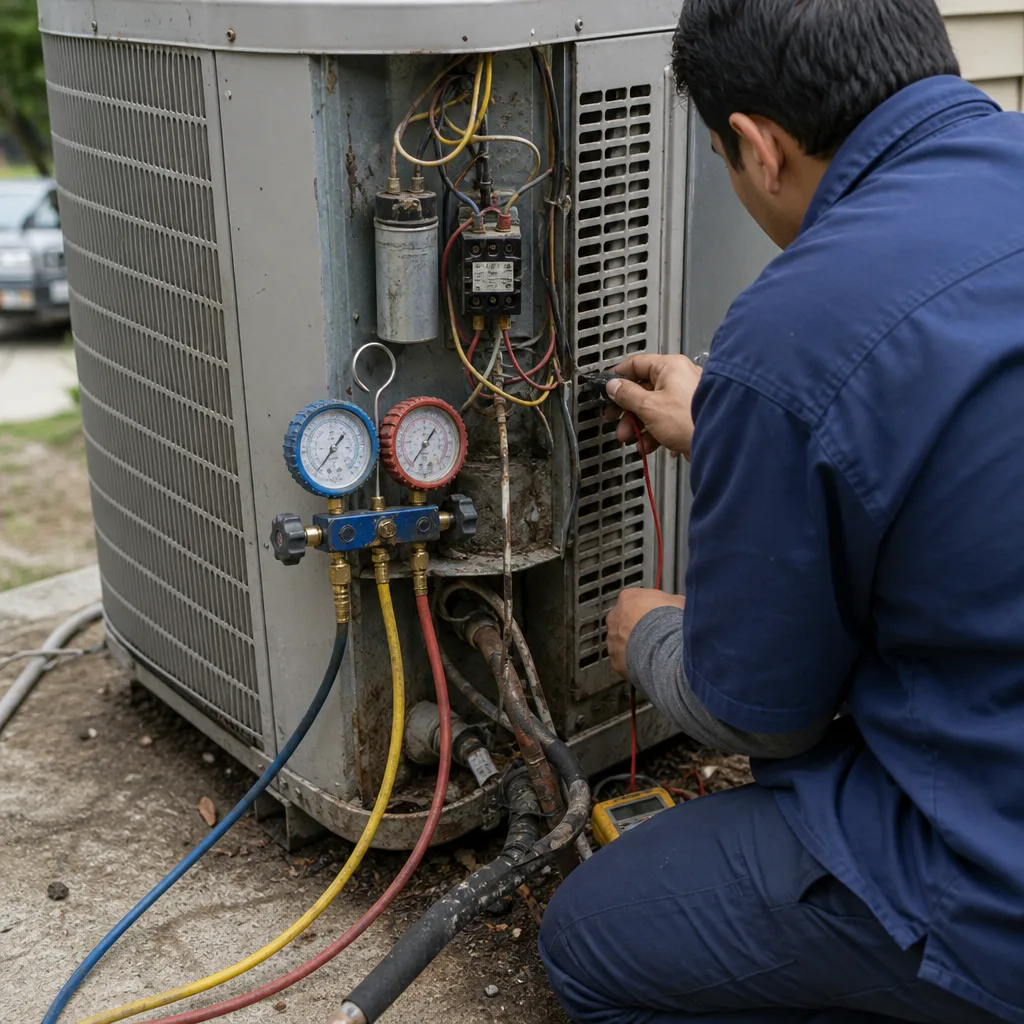 Before
 After
After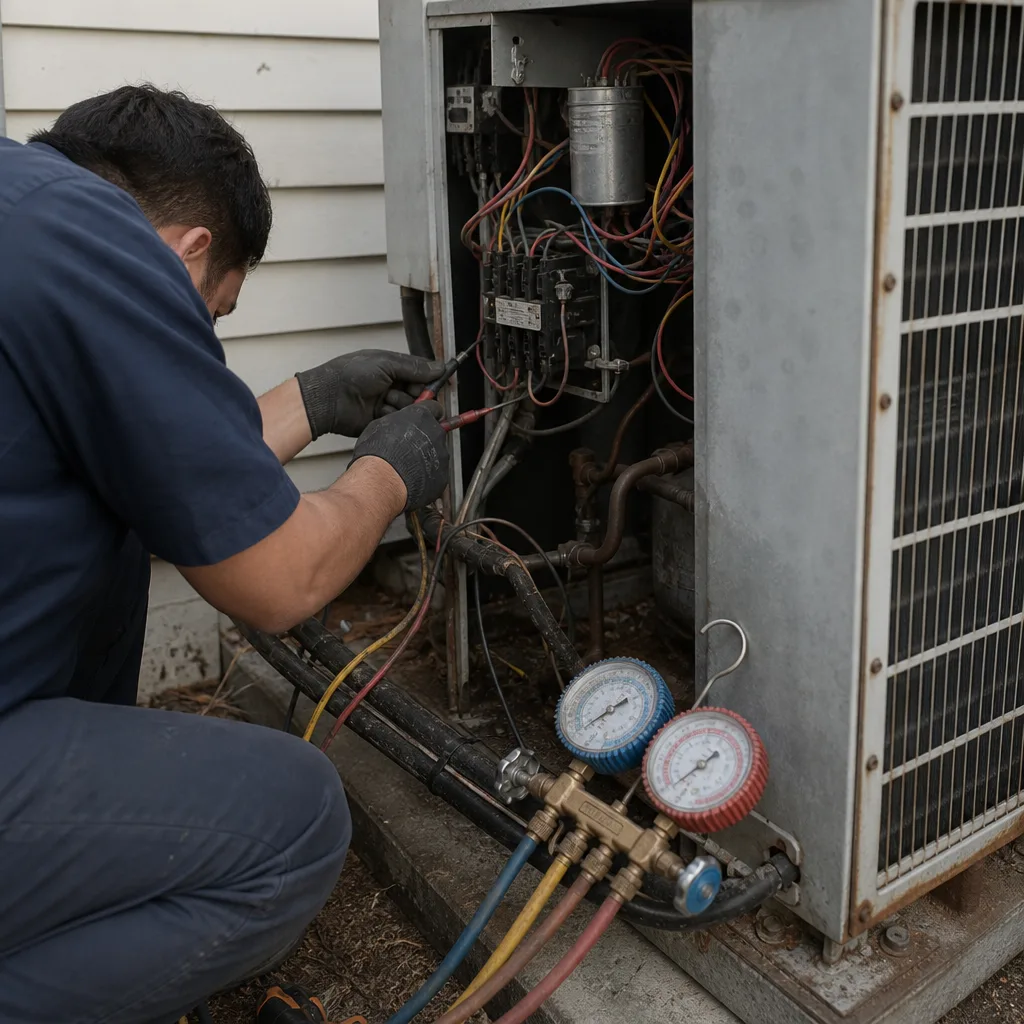 Before
 After
After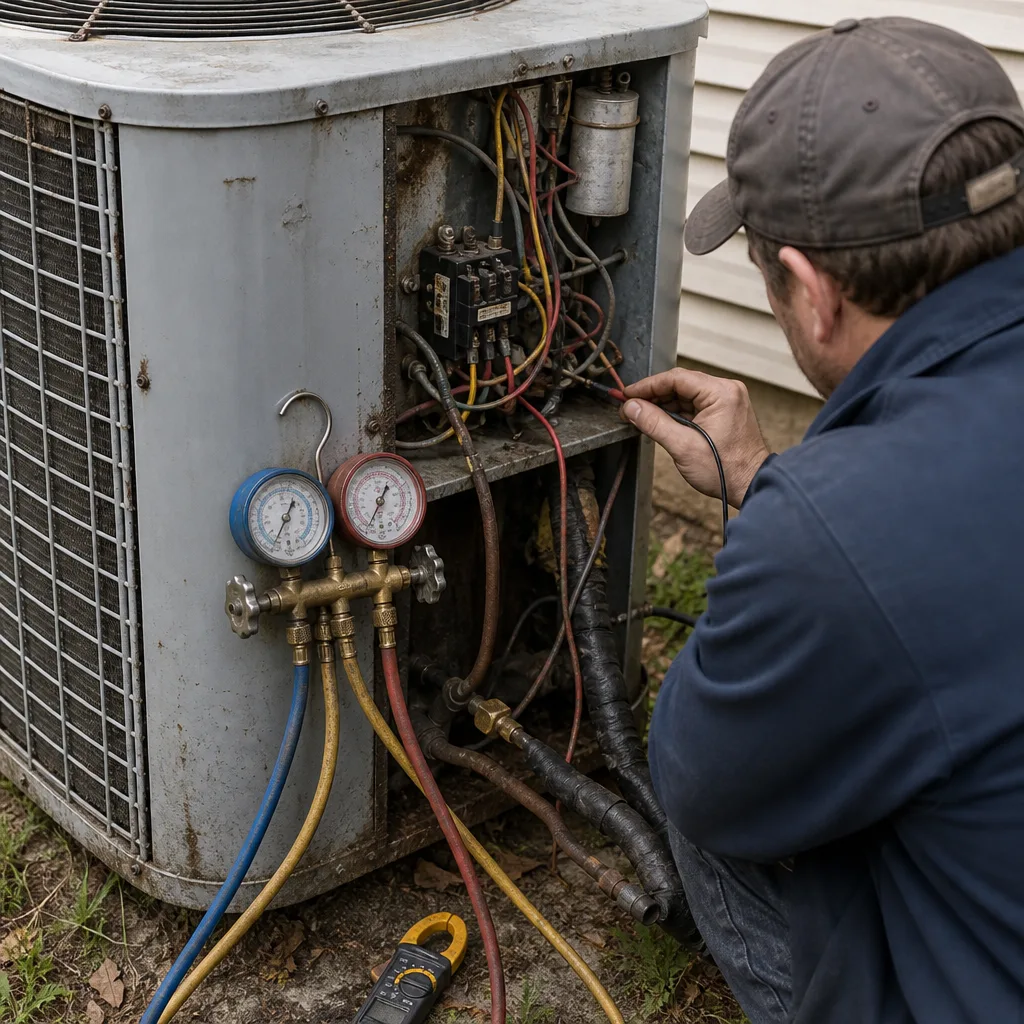 Before
 After
After