
Last updated October 16, 2026
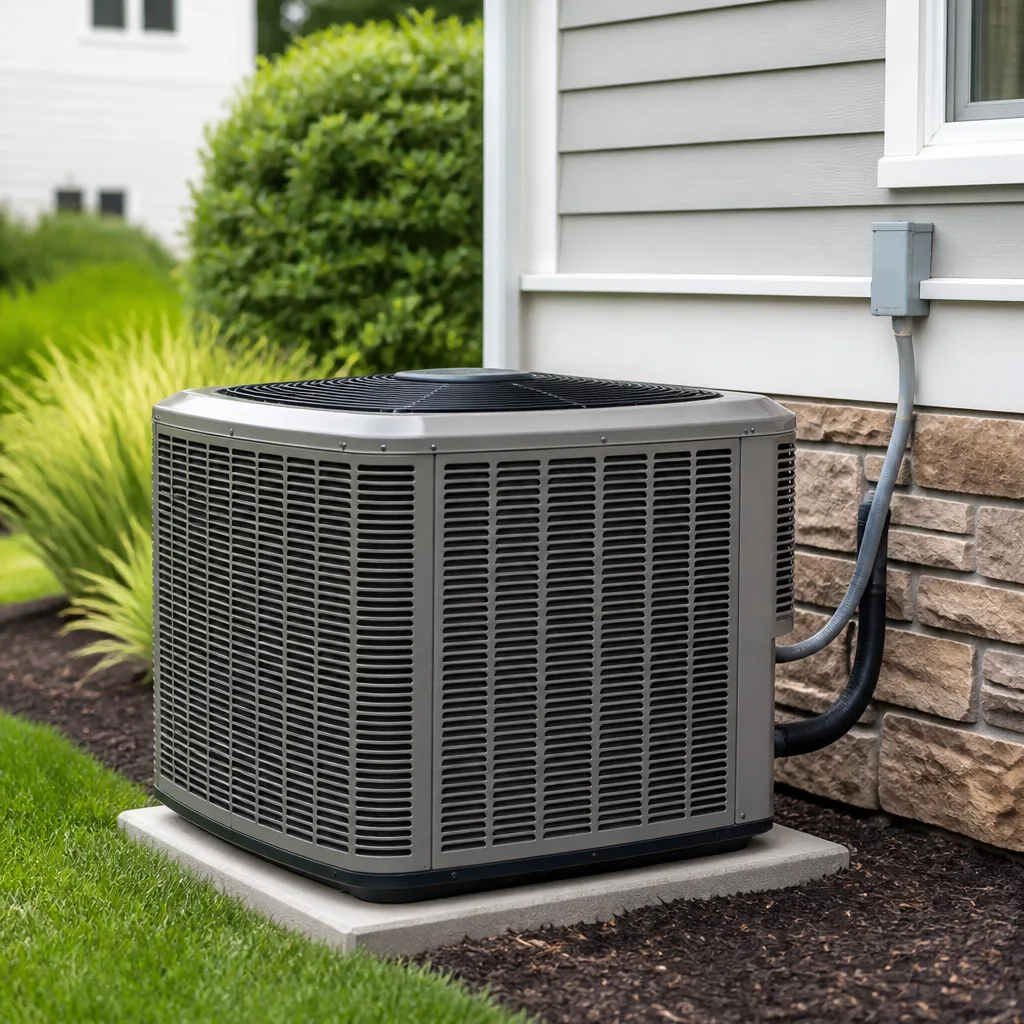 AC repair
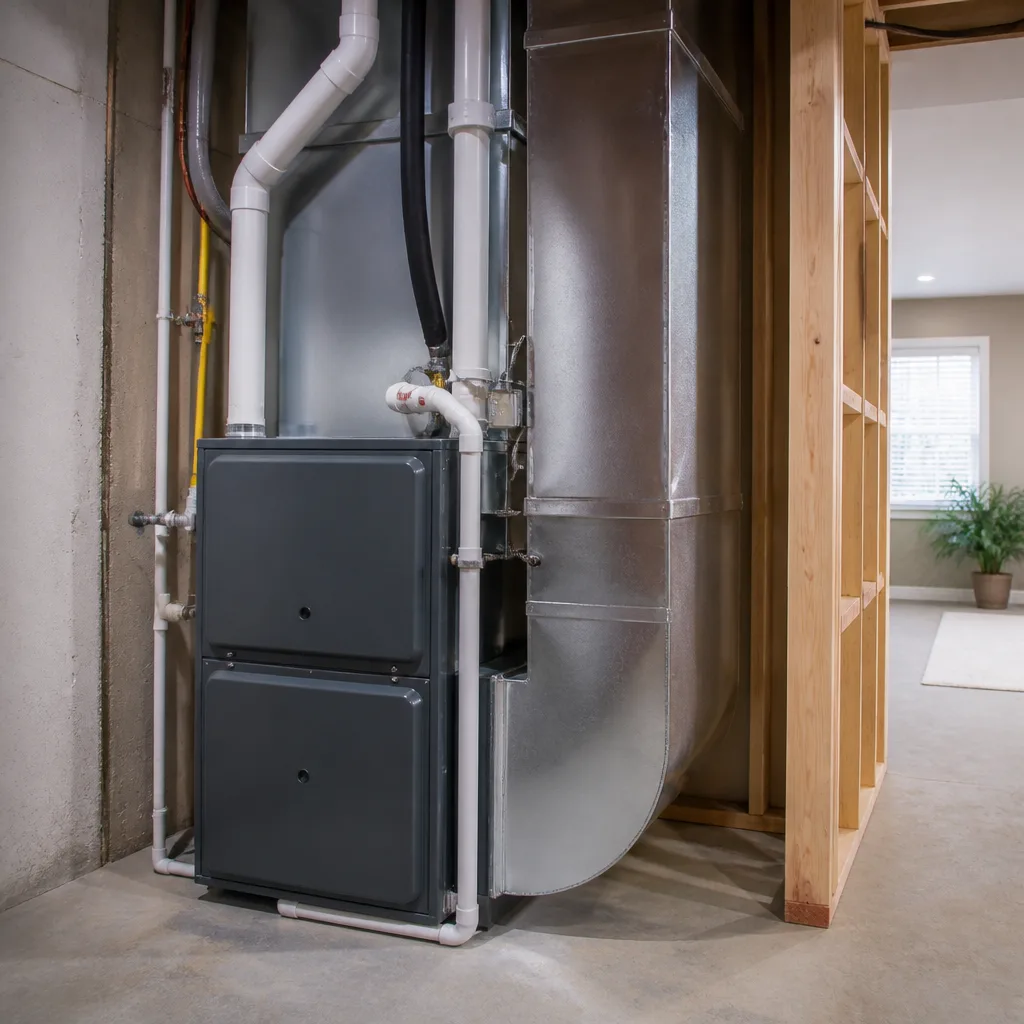 Furnace & heating
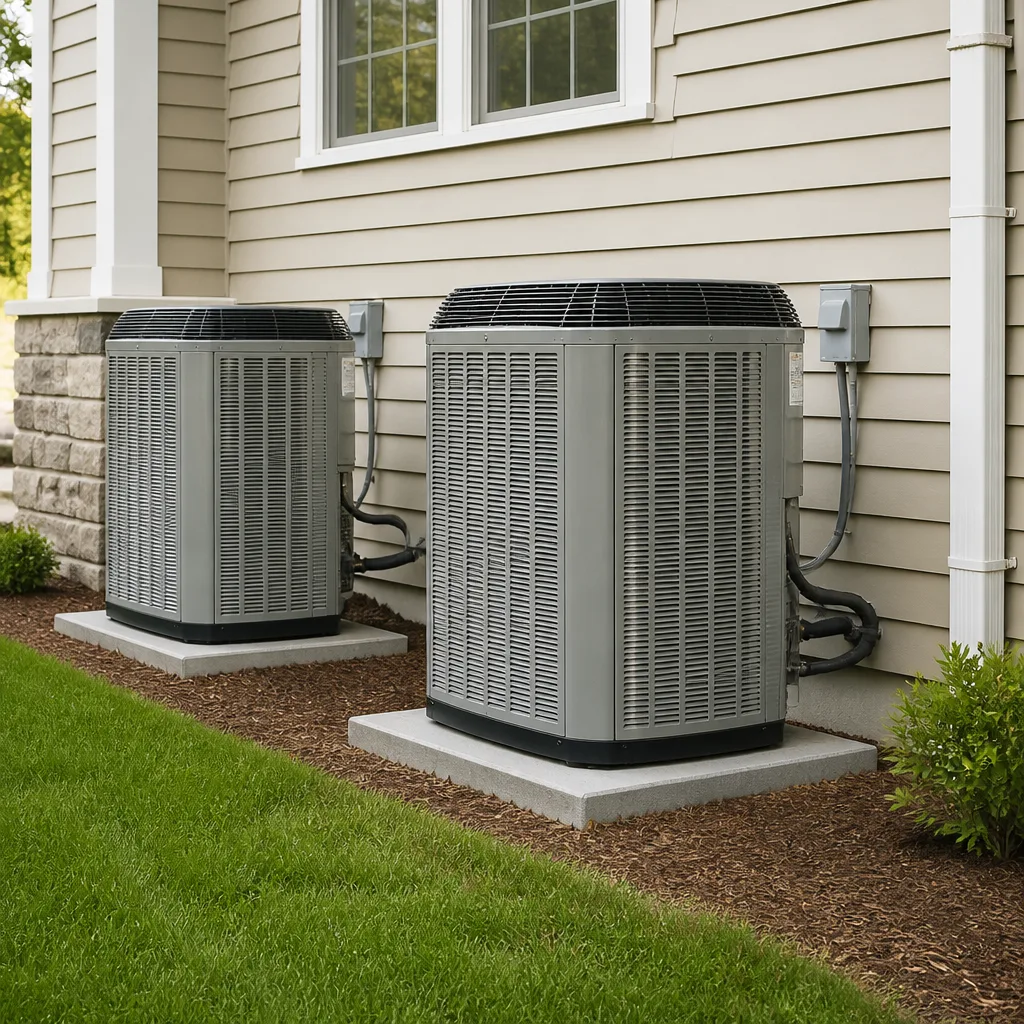 Heat pumps
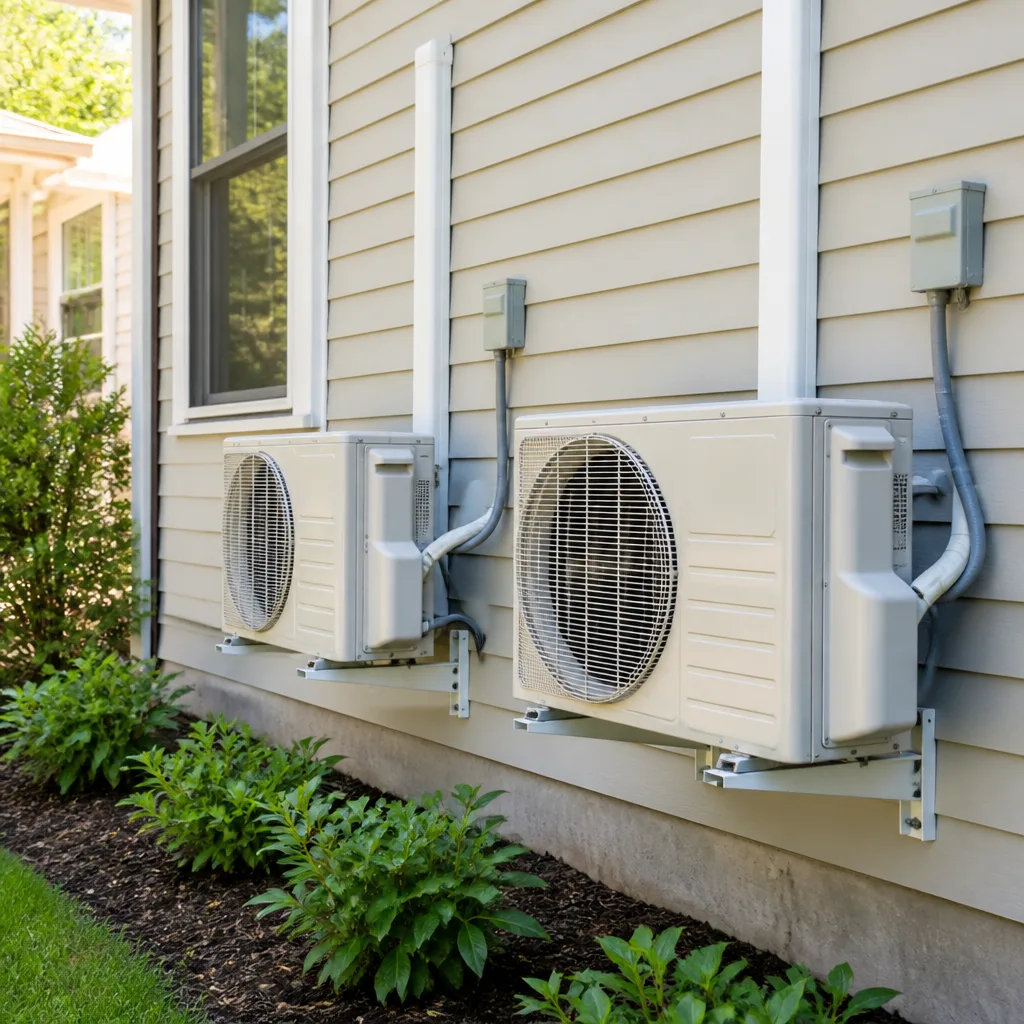 Ductless mini splits
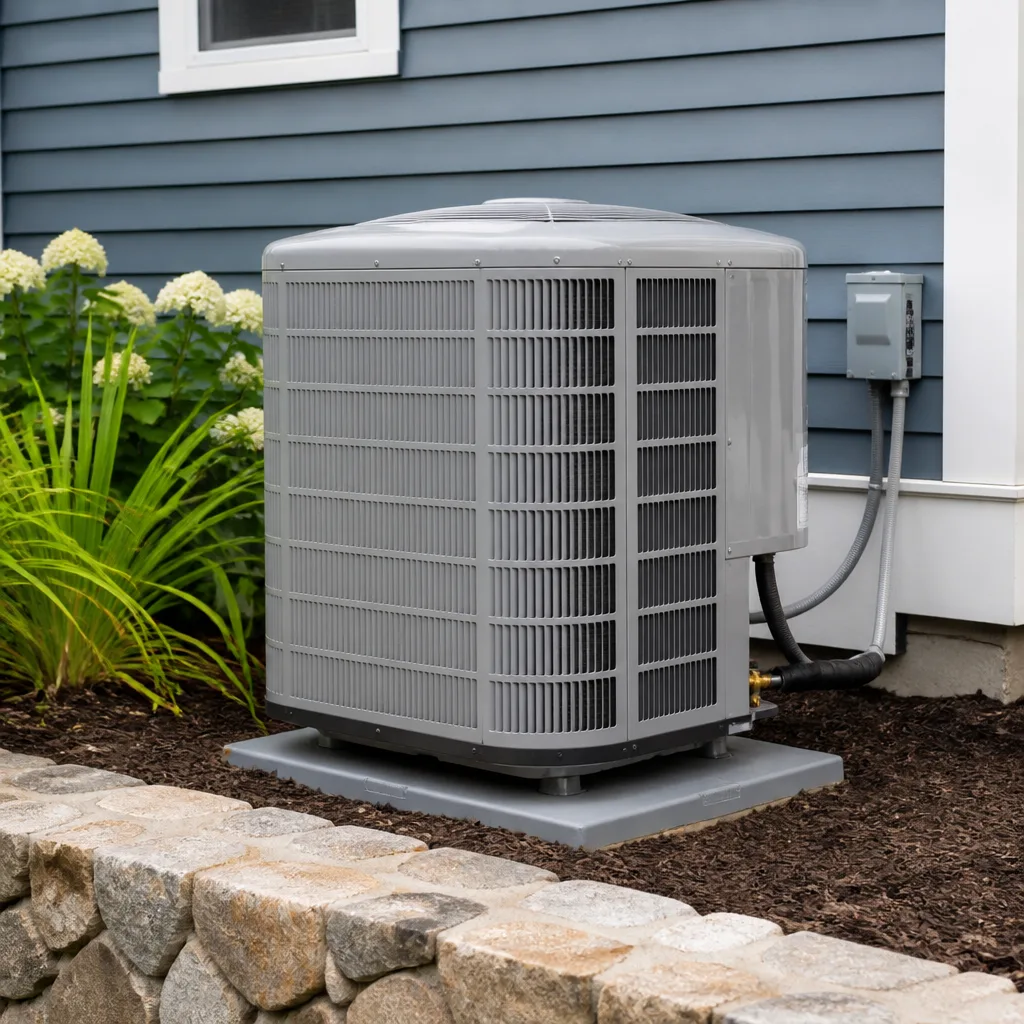 Carrier
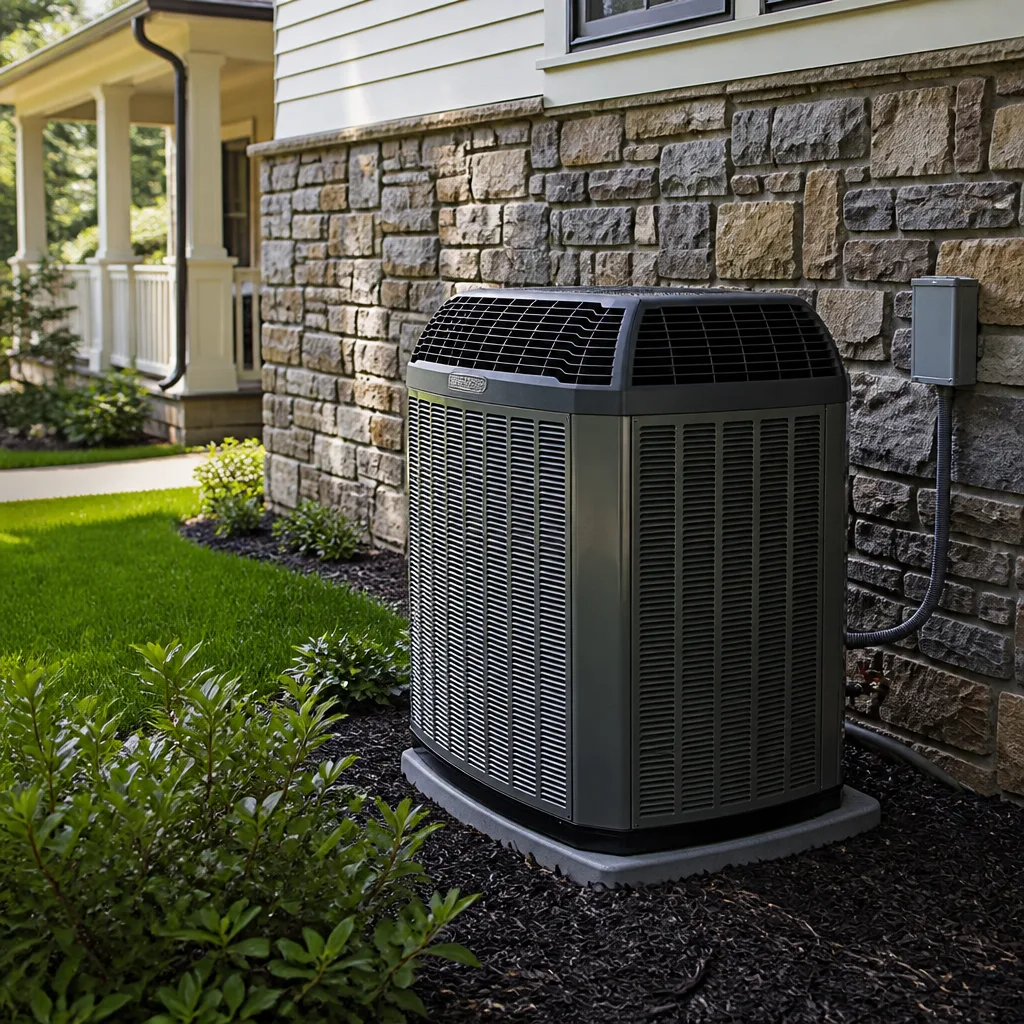 Trane
Trane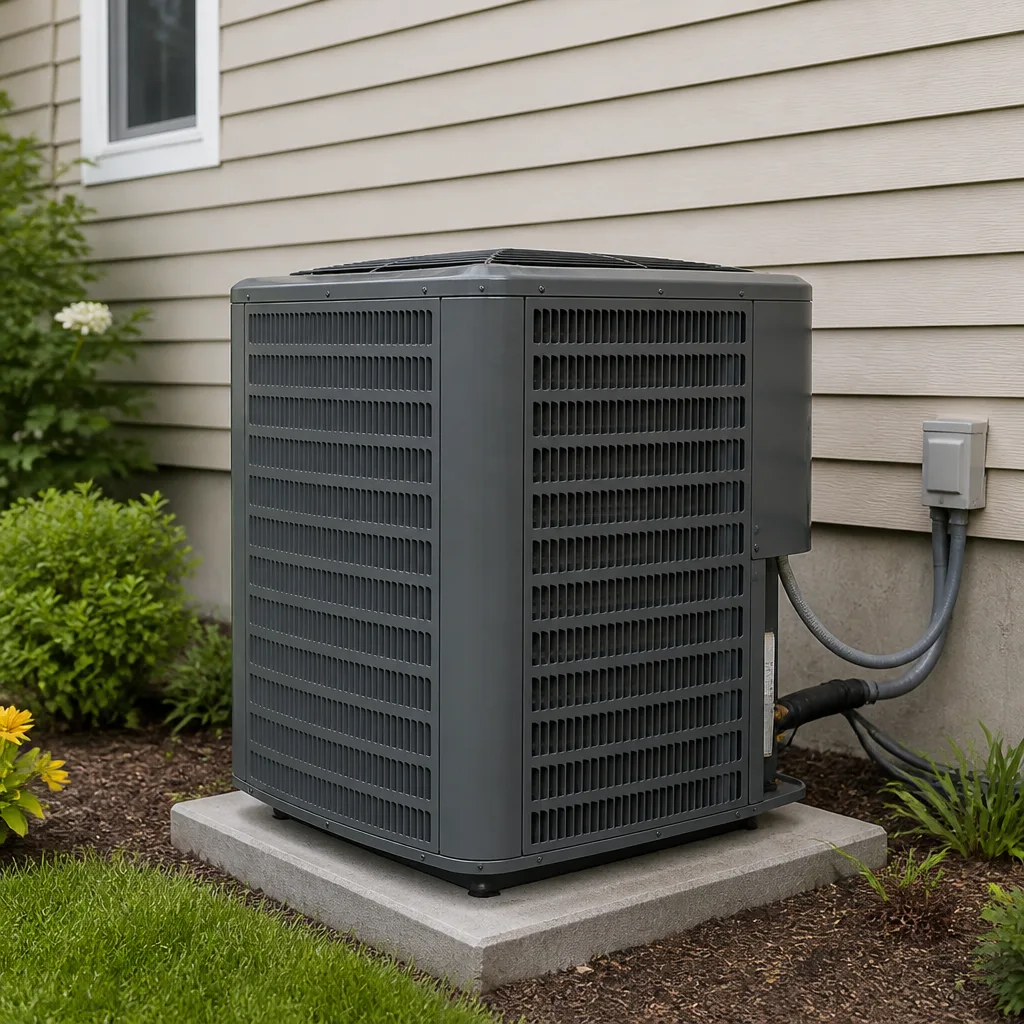 Goodman
Seasonal tune-up and full diagnostic on your Carrier, Trane, or Goodman system - readings shown to you before any repair is proposed
Diagnosis first, numbers second - you approve the repair price before a single part goes in.
Get your free estimateDIY vs Professional HVAC: The Fort Worth Homeowner’s Decision Guide
Replacing your own capacitor in Texas is legal, cheap, and genuinely DIY-able. But topping off your own refrigerant is a federal violation with a fine starting at $44,539, and most YouTube tutorials don’t mention that. This guide draws the legal and practical line clearly so you know exactly which side of it you’re standing on, and our step-by-step guide on hiring a Fort Worth HVAC contractor can help when you do need a pro. We’ll cover what Texas law actually prohibits, which DIY tasks are genuinely safe for Fort Worth homeowners, how warranty clauses trip people up, and when calling a pro saves you real money.
Styles & brands we work with
Quick Answer
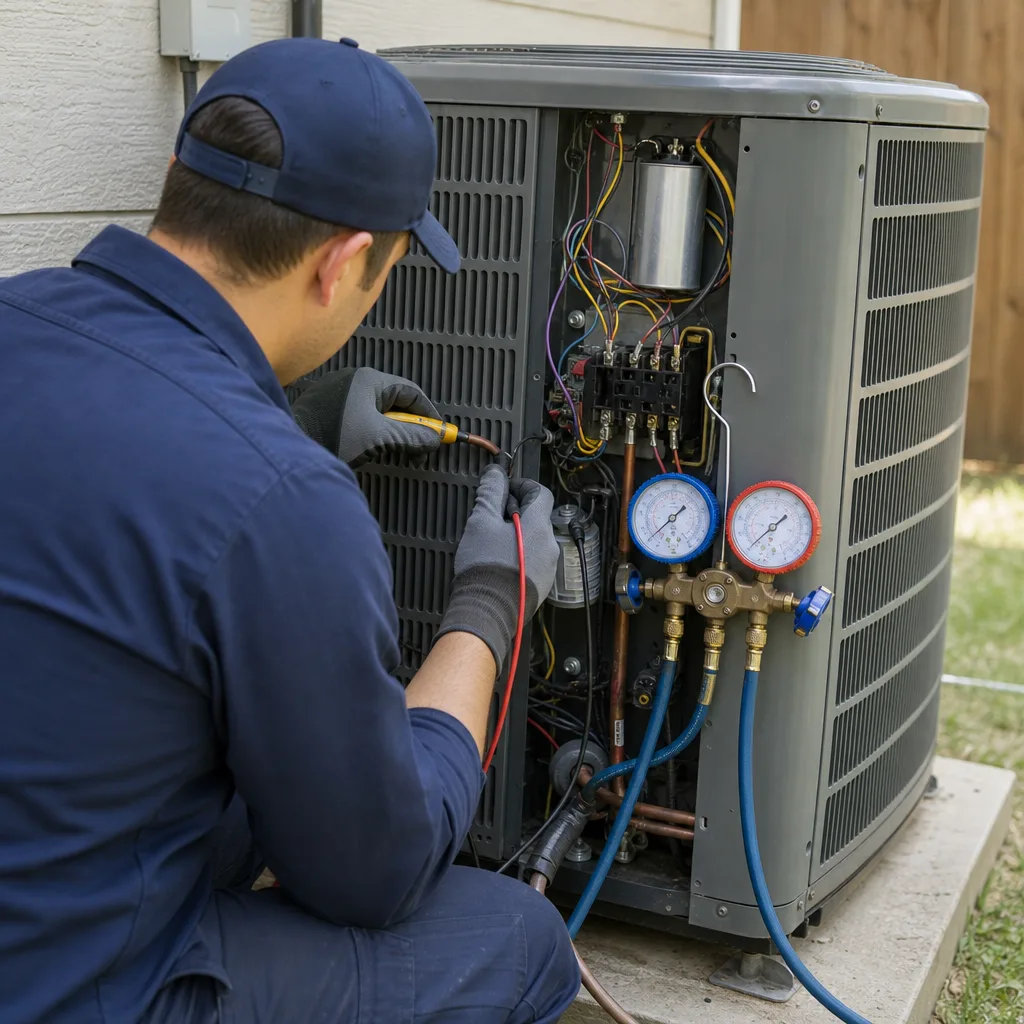
Most HVAC maintenance in Fort Worth is DIY-friendly: filter changes, thermostat batteries, condensate line flushing, and register cleaning are all safe, legal, and cheap to do yourself. But anything involving refrigerant, electrical components inside the unit, gas lines, or compressor work crosses into territory that Texas licensing law and federal EPA rules reserve for certified professionals. The practical line: if the repair requires opening the sealed system or touching line voltage, hire a licensed tech. If it’s outside the cabinet and you can see it, you can probably handle it.
Table of Contents
- The Legal Line in Texas: What You Can and Cannot Touch
- The DIY-Approved List for Fort Worth Homeowners
- The Warranty Clause Most Homeowners Never Read
- When the DIY Math Actually Holds (and When It Doesn’t)
- Three Real Fort Worth Cost Scenarios
- How Documentation Protects You After Past DIY Work
- Common Mistakes to Avoid
- When to Call a Professional
- Frequently Asked Questions
- The Bottom Line
The Legal Line in Texas: What You Can and Cannot Touch
Texas draws a hard line between homeowner maintenance and HVAC contracting, and that line has teeth. The Texas Air Conditioning and Refrigeration Contractors Act (TACLA) requires anyone performing “air conditioning and refrigeration contracting” for compensation to hold a state license issued by the Texas Department of Licensing and Regulation. Here’s the nuance most homeowners miss: TACLA does not prohibit you from working on your own system. You can legally replace your own capacitor, swap a contactor, change a thermostat, or install a condensate pump on property you own and occupy. What you cannot do is work on someone else’s system for money without a TACLA license.
But the federal line sits in a different place entirely. The EPA’s Section 608 rule under the Clean Air Act governs refrigerants, and it applies to everyone, including homeowners. You cannot legally purchase refrigerant without holding a Section 608 certification card, and you cannot legally “vent” refrigerant into the atmosphere, whether intentional or accidental. The fine for a knowing violation starts at $44,539 per day per violation as of 2024, and the EPA has levied that against individual homeowners, not just businesses. In practical terms: if your AC is low on refrigerant, it has a leak, and fixing that leak is a sealed-system repair that requires a licensed professional. There is no legal DIY path here.
What about permits? Fort Worth, like most Texas cities, requires a mechanical permit for HVAC replacements and new installations, and you’ll want to understand HVAC permits, codes & inspections in TX before pulling one. A homeowner can technically pull their own permit, but the work must still pass inspection, and inspectors in Fort Worth look at wiring, duct sizing, and charge levels with a professional eye. If you install your own system incorrectly and sell the house five years later, a diligent home inspector will flag it, and the buyer will ask for credits or walk. The permit problem surfaces at resale exactly when you’ve forgotten the details.
What TACLA Means for You in Plain Terms
- You can: replace filters, change thermostat batteries, pour vinegar down your condensate drain, clean the outdoor coil with a garden hose, replace a capacitor, swap a contactor, and reset breakers or fuses.
- You cannot: handle refrigerant in any way, run new line sets, replace a compressor, open a sealed system, repair a gas furnace heat exchanger, or perform ductwork modifications that affect airflow and pressure.
- The gray zone: replacing a blower motor, a circuit board, or an inducer motor. These are technically legal for a homeowner in Texas, but they involve line voltage, capacitor discharge, and proprietary wiring diagrams, and a mistake takes your system from one problem to three.
In our experience, homeowners in Fort Worth get into trouble not because they lack ability but because they lack the marginal context. A capacitor swap on a Goodman unit from 2012 is genuinely straightforward. The same swap on a newer Daikin variable-speed system with an inverter board is a different animal. Knowing your equipment matters as much as knowing your rights.
The DIY-Approved List for Fort Worth Homeowners
We believe in telling people what they can do themselves. It builds trust, and it saves you money on callouts for things that genuinely don’t need a tech. Here is what we tell our own neighbors in Fort Worth to handle on their own, with real costs and time estimates, plus links to more guides & resources for deeper dives.
Filter Replacement
This is the single highest-impact DIY task for any Fort Worth homeowner. Our summer heat loads and spring pollen seasons mean filters load up fast, often within 30 to 45 days. A 1-inch MERV 8 filter runs $4 to $10 at any hardware store. A 4-inch media filter runs $18 to $35. Time required: 90 seconds. Do this monthly during summer and every other month in the mild season. A clogged filter is the top cause of frozen coils and burnt blower motors we see in Fort Worth.
Thermostat Installation
Replacing a basic thermostat is a 20-minute job for most Fort Worth homes built after 2000, provided you have a common wire (C-wire) available. A simple non-programmable unit runs $20 to $40. A smart thermostat like an ecobee or Nest runs $150 to $250 and often includes step-by-step app guidance. The catch: if you have a communicating system, a heat pump, or a variable-speed unit with proprietary controls, a DIY thermostat swap can disable your system. Check the backplate of your current thermostat for a wiring terminal labeled “C.” If you don’t see one, stop and call a pro, because you’re about to run new wiring through a wall.
Condensate Line Flush
Fort Worth’s hard water plus our humid summers creates the ideal conditions for algae and mineral buildup in the condensate drain line. A clogged line leads to a backed-up pan, a float switch trip, and a wet ceiling if the pan overflows. Once a month, pour one cup of distilled white vinegar or a commercial condensate line cleaner ($8 to $15) into the drain line access point near the indoor unit. Time required: 2 minutes. If you have a wet-dry vac, a quick suction on the exterior drain line opening once per quarter clears out gunk before it hardens. This is one of the cheapest preventive habits in HVAC.
Outdoor Coil Cleaning
Fort Worth’s clay soil and cottonwood trees put a lot of debris on condenser coils. A gentle rinse with a garden hose, no pressure washer, keeps the outdoor unit clean enough to breathe. Turn the system off at the breaker first, spray from the inside out if possible, and avoid bending the aluminum fins. Time required: 15 minutes. A coil cleaner spray from a hardware store adds $12 to $18. Don’t do this if you have a heat pump in heating mode, since the outdoor unit runs differently. Most pros agree: a gentle hose rinse quarterly is good practice, but aggressive coil cleaning with chemicals belongs to the service call.
Register and Return Cleaning
Vacuum your supply registers and return grilles every few months, especially if you have pets. Dust, hair, and dander accumulate at the register face and restrict airflow, making your blower work harder. Remove the register with a screwdriver, vacuum the opening, and wipe the register itself with a damp cloth. Time required: 10 minutes per register. Cost: $0 if you own a vacuum. This is pure upside with zero risk.
The Warranty Clause Most Homeowners Never Read
Here is the sentence buried in nearly every HVAC warranty document, including those from Rheem, York, Daikin, and Bryant: “This warranty is void if the unit has been serviced or repaired by anyone other than a licensed HVAC contractor.” You never read it because you bought the house and the warranty paperwork is in a drawer somewhere, or you never registered the unit in your name. But the manufacturer enforces it, and we see the enforcement regularly in Fort Worth.
Here is how it plays out. Your five-year-old Rheem heat pump loses cooling in July. You diagnose a bad capacitor from a YouTube video, order a $14 capacitor from an online retailer, and replace it. The unit runs again. Three months later, the compressor dies from an unrelated electrical fault. You file a warranty claim for the compressor. The manufacturer asks for proof of service history. You don’t have a contractor invoice for the capacitor swap, so the evidence suggests the unit was serviced by an unlicensed individual. The compressor warranty, which would have covered a $1,400 part, is void. You are now paying for the repair out of pocket.
The fix is simple and specific. Before you touch anything, find your unit’s warranty certificate. Look for language about “authorized service” or “qualified technician.” If your unit is still within the compressor warranty, typically 10 years from installation for most brands when registered, the clampdown on DIY service is real. If your unit is beyond warranty, the calculation changes, but only slightly, because a botched DIY repair on a non-warrantied unit can still create a $900 avoidable repair.
How to check your specific warranty terms: locate the model and serial number on the data plate of your unit, usually on the back or side of the outdoor cabinet. Visit the manufacturer’s warranty lookup page. Rheem, York, Daikin, and Bryant all have online lookups. Enter the serial number. The screen will show your warranty status and whether the unit was ever registered. If it says “registration required” and you never registered it, your coverage may be limited to a base 5-year period instead of 10. That registration gap is one of the most common unforced errors in Fort Worth, because home flippers and builder-grade installs often skip registration entirely.
When the DIY Math Actually Holds (and When It Doesn’t)
The honest answer: the DIY math holds for maintenance, rarely holds for repairs, and almost never holds for anything involving refrigerant or electrical diagnosis. Let’s break the HVAC cost breakdown for Fort Worth homeowners into real numbers.
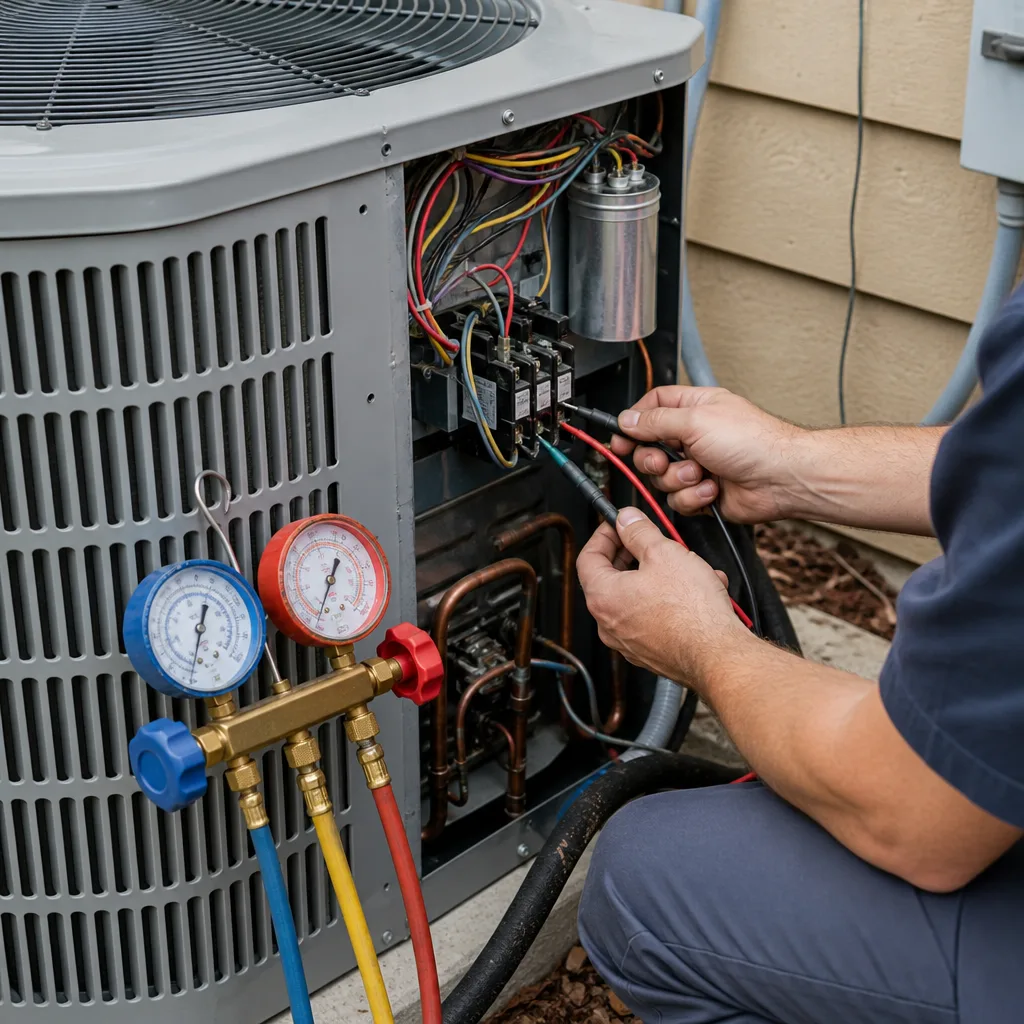
A capacitor costs $14 to $40 online. A service call to replace a capacitor in Fort Worth typically runs $150 to $300, depending on the company and the capacitor’s specs. You save $110 to $260 doing it yourself, assuming you diagnose correctly, discharge the old capacitor safely, and match the microfarad rating exactly. For a mechanically inclined homeowner with a multimeter and a healthy respect for stored electrical charge, this is real money saved.
But the diagnosis is where the math flips. A “capacitor problem” self-diagnosis is wrong about 40% of the time, based on the calls we follow up on in Fort Worth. The system may actually have a bad contactor, a failing fan motor, a low charge, a tripped float switch, or a control board issue. If you replace a capacitor and the unit still doesn’t run, you now have a new capacitor in a system with an undiagnosed fault, and you still need a service call. The $14 part becomes a $14 educational expense, and you’ve lost the time.
The sharper angle: a $99 to $129 diagnostic service call from a licensed company includes a technician who checks the capacitor, the contactor, the refrigerant pressures, the amperage draw on the compressor and fan motor, the condition of the wiring, and the safety switches. In our experience, a professional diagnostic catches the secondary issue that the homeowner never sees. The homeowner fixes the capacitor and misses the fact that the compressor is drawing high amperage due to a failing run capacitor, and six weeks later the compressor is dead. The $150 service call was insurance against the $2,500 compressor replacement.
Three Real Fort Worth Cost Scenarios
These are composite examples built from years of service calls across Fort Worth, from the historic neighborhoods near TCU to the newer subdivisions in far north Fort Worth and along the Chisholm Trail corridor.
Scenario 1: The Bad Capacitor
- DIY path: $18 capacitor + 90 minutes of diagnosis and installation. Outcome: unit runs, money saved. Total: $18.
- Pro path: $189 service call including capacitor. Outcome: unit runs, plus the technician catches a slightly weak fan motor and documents it for future attention. Total: $189.
- The math: DIY holds here, but only if your diagnosis is correct. In this scenario, the homeowner was right and saved $171.
Scenario 2: The Mystery No-Cool Call
- DIY path: Homeowner suspects a thermostat issue. Buys a $120 Nest. Installs it. System still doesn’t cool. Buys a $35 capacitor. Replaces it. System still doesn’t cool. Now in it for $155 plus six hours of weekend time. Calls a pro anyway.
- Pro path: $99 diagnostic call. Technician finds a failed condenser fan motor and a contactor with pitted contacts. Gives a written quote: $410 for the motor and contactor, parts and labor included, with a written guarantee. Total: $509.
- The math: The DIY attempt cost $155 in parts plus the $99 diagnostic the homeowner eventually paid anyway. The pro path would have been $509 total. The homeowner ended up paying $664 total ($155 + $509) and lost a weekend. The math not holding here is the most common pattern we see.
Scenario 3: The Tripped Float Switch
- DIY path: Homeowner notices water in the emergency drain pan under the indoor unit in the attic. Watches a video, pours vinegar down the drain line, and uses a wet-dry vac on the exterior drain. Clears the clog. Total: $0 and 30 minutes.
- Pro path: Same job done by a technician during a routine maintenance visit: $89 to $129.
- The math: DIY wins decisively here. This is exactly the kind of task homeowners in Fort Worth should handle themselves, and every reputable HVAC company should tell you so.
The pattern across all three scenarios: diagnosis is the expensive skill, not the part replacement. The part is cheap. Knowing which part is actually broken is the thing that costs money to learn.
How Documentation Protects You After Past DIY Work
If you have already done DIY work on your HVAC system, you are not doomed. What matters now is documentation. When you sell a house in Fort Worth, the buyer’s home inspector will note “evidence of owner-performed HVAC repair” if they see mismatched capacitors, non-standard wiring splices, or a Nest thermostat with visible wire nuts in the wall. The inspector can’t always prove it, but the note goes in the report, and the buyer uses it to negotiate.
The fix is a professional assessment that documents the system’s current condition. Here is what a meaningful documentation visit looks like when we do it for a Fort Worth homeowner who has done past DIY work: we inspect the entire system, photograph the key components, note the condition of any previous repairs, verify the system is functioning safely, and generate a written report with before-and-after photos attached. That report lives in the customer’s online portal, accessible from a phone, and it gives the seller a written answer to any inspector’s note. “The system was inspected by a licensed contractor on X date and found to be operating correctly.” That sentence has ended more negotiation standoffs than any verbal assurance ever has.
This is also where The Relay Visibility Guarantee comes into play for Halden Heating and Air Fort Worth customers. Every job we complete includes photo documentation uploaded to the customer’s account. You can see what the tech saw, what was replaced, and what the system looked like before and after. That paper trail is not just about trust in the moment, it’s about having a documented service history when a warranty claim gets challenged or a home sale gets sticky. If you’ve done DIY work and want to clean up the record, a documented inspection is the fastest route.
Common Mistakes to Avoid
- Replacing a capacitor without discharging it. Capacitors hold a charge even after the unit is powered down. Touching the terminals can deliver a shock hard enough to throw you off a ladder. If you insist on doing this, discharge safely with an insulated screwdriver across the terminals. Better: know the risk before you open the panel.
- Pouring bleach down the condensate line. Bleach corrodes PVC over time and can degrade the glue joints in the drain line. Vinegar or a dedicated condensate line cleaner is the correct choice. We see bleach-damaged drain lines frequently in older Fort Worth homes with original PVC runs.
- Buying refrigerant online without a license. This is a federal violation, and sellers who ship to unlicensed buyers are running a scam. If the price is low and no certification card is required, what you’re buying is likely counterfeit or reclaimed illegally, and using it can destroy your compressor. There is no legal gray area here.
- Using a pressure washer on the outdoor coil. A pressure washer bends the aluminum fins flat, restricting airflow permanently. Damage from pressure washing is one of the top preventable causes of coil replacement we see in Fort Worth. A garden hose with a standard nozzle is all you need.
- Replacing a thermostat on a communicating system without checking compatibility. High-efficiency systems from brands like Bryant and Daikin often use proprietary communicating thermostats. Swapping in a generic smart thermostat can render the entire system non-functional. Check the wiring and the system type before you buy anything.
- Ignoring the float switch trip and resetting it repeatedly. The float switch trips because the drain line is clogged. Resetting it without clearing the clog means the pan will overflow, and the water will find the ceiling below. In a Fort Worth attic in August, that water damage gets expensive fast.
- Overlooking the warranty registration deadline. Most manufacturers require registration within 60 to 90 days of installation to receive the full 10-year compressor warranty. Miss it and you may be limited to a 5-year base warranty. If you bought a newer home with original equipment, check the registration status now.
When to Call a Professional
Call a professional for anything involving refrigerant, anything involving gas, anything involving line voltage inside the unit cabinet, and anytime you’ve spent more than an hour and you still don’t know what’s wrong. In Fort Worth’s summer, a system that’s down for a day while you troubleshoot is a system that’s allowing indoor temperatures to climb past 90 degrees, and that’s a health risk for kids, elderly family members, and pets. If you smell gas near a furnace, turn off the gas valve at the unit, leave the area, and call your gas utility immediately, then call an HVAC professional. Halden Heating and Air Fort Worth offers free estimates in Fort Worth – call (817) 632-5499 and you’ll speak with a live person, any time, day or night. We’ll give you a written price before any work starts, and every repair carries a written guarantee backed by the 365-Day Done Right Promise.
For help with AC Repair in Fort Worth, a full system replacement, or a furnace that’s acting up, we’ll walk you through exactly what’s happening and what it costs. We service all major brands, including Carrier, Trane, Lennox, Goodman, Rheem, York, Daikin, Bryant, and American Standard. You don’t have to know what’s wrong to call – that’s the diagnostic’s job.
Frequently Asked Questions
Yes, in most cases. Texas law allows homeowners to perform repairs on their own property without a TACLA license, provided the work doesn’t involve refrigerants. Refrigerant handling falls under federal EPA Section 608 rules and requires a certification card that homeowners don’t have. So: capacitor swaps, contactor replacements, and thermostat installs are legal DIY territory. Anything involving refrigerant is not.
The capacitor replacement. It’s cheap, the part is easy to find, and the YouTube videos make it look simple. But the diagnosis is wrong almost half the time, and the homeowner ends up paying for a service call anyway. We also see a lot of condensate line damage from bleach, and a lot of bent coils from pressure washers.
You can, legally, if you own the property and occupy it. But mini-splits are more complex than window units. They require a vacuum pump to evacuate the line set before releasing refrigerant, and that step is where DIY installs go wrong. If air or moisture stays in the line, the system will fail early, and the manufacturer will void the warranty. The tool cost alone, $120 to $300 for a vacuum pump and gauge set, eats into the savings. Most Fort Worth homeowners are better served by a professional install with a written warranty.
Most licensed companies in Fort Worth charge between $89 and $149 for a diagnostic visit. Some companies waive the diagnostic fee if you approve the repair. At Halden Heating and Air Fort Worth, you get a written price for any needed repair before work begins, so there’s no guesswork. Call (817) 632-5499 for a free estimate on any HVAC issue.
Yes, if the work is inside the unit cabinet and the manufacturer’s warranty language requires service by a licensed contractor, which most do. The clause is standard in warranties from Rheem, York, Daikin, Bryant, and every other major brand. The practical approach: check your specific warranty terms online using your unit’s serial number before you pick up a screwdriver. If the unit is under warranty, the compressor coverage alone is worth protecting.
Change the filter, and change it more often than you think. Fort Worth’s pollen seasons and summer heat mean filters clog within 30 to 45 days. A dirty filter restricts airflow, raises your energy bill, and shortens the life of your blower motor and compressor. It’s a $8 to $20 habit that prevents $500 problems. After that, flush your condensate line monthly with vinegar, and rinse your outdoor coil quarterly with a garden hose. Those three habits are the highest-ROI DIY work in HVAC.
If you’re unsure whether a job is DIY-safe, call us at (817) 632-5499 and describe what you’re seeing. We’ll tell you honestly whether it’s a filter you can handle or a repair we need to quote. The call is free, and you’ll talk to a real person.
The Bottom Line
DIY HVAC in Fort Worth is not a yes-or-no question. It’s a question of which side of the legal line you’re standing on, and whether you know your equipment. Filters, thermostats, condensate lines, and register cleaning are squarely DIY territory, and every honest HVAC company should tell you so. Refrigerant, gas, sealed systems, and anything you can’t see without opening the cabinet belong to a licensed professional. The warranty language is real, the EPA fines are real, and the cost of a misdiagnosis in a Fort Worth August is measured in both dollars and comfort. Halden Heating and Air Fort Worth has served Fort Worth since 2004, and we’ll give you a straight answer, a written price, and a 365-Day Done Right Promise on every job. For AC Installation in Fort Worth or Furnace Repair in Fort Worth, call (817) 632-5499 and talk to a live person, any time.
Written by Andre Fuller, Owner at Halden Heating and Air Fort Worth, serving Fort Worth since 2004.
See the difference
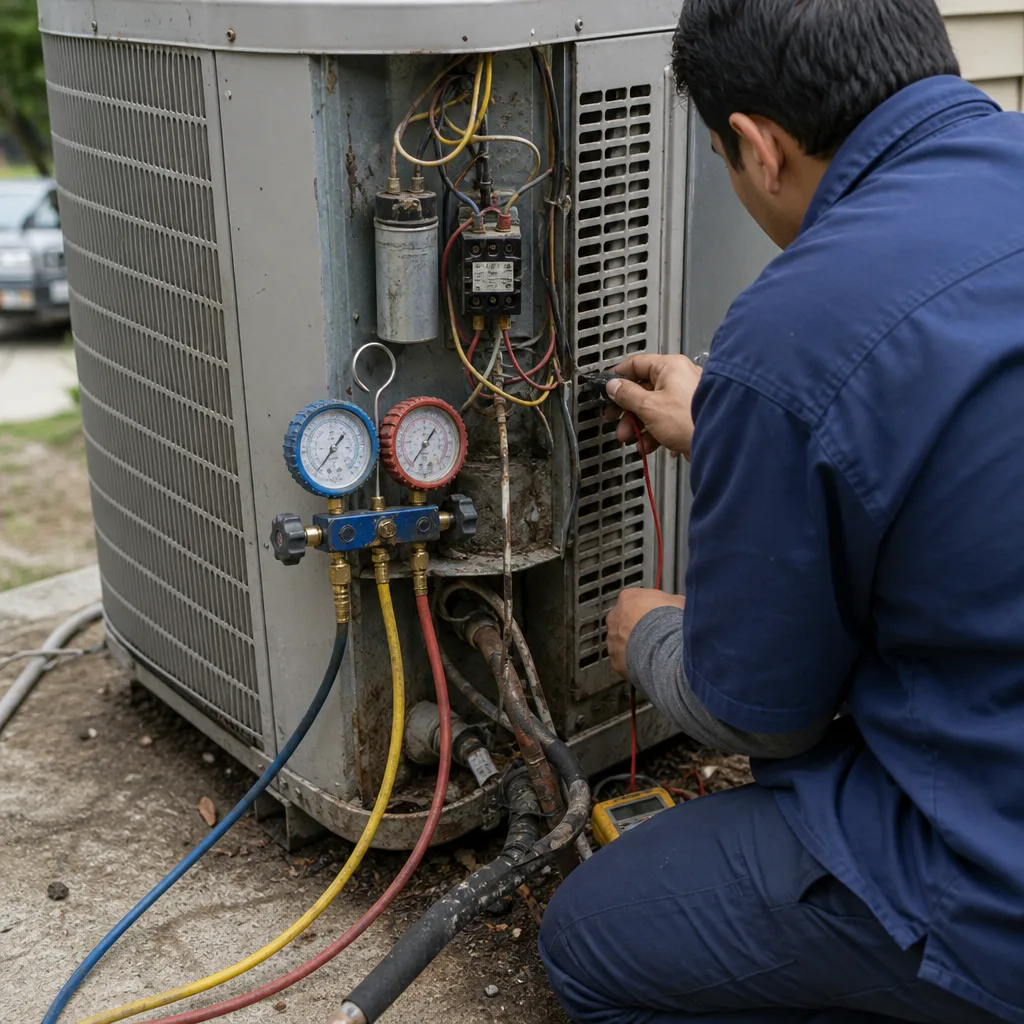 Before
 After
After Before
 After
After Before
 After
After