
Last updated October 16, 2026
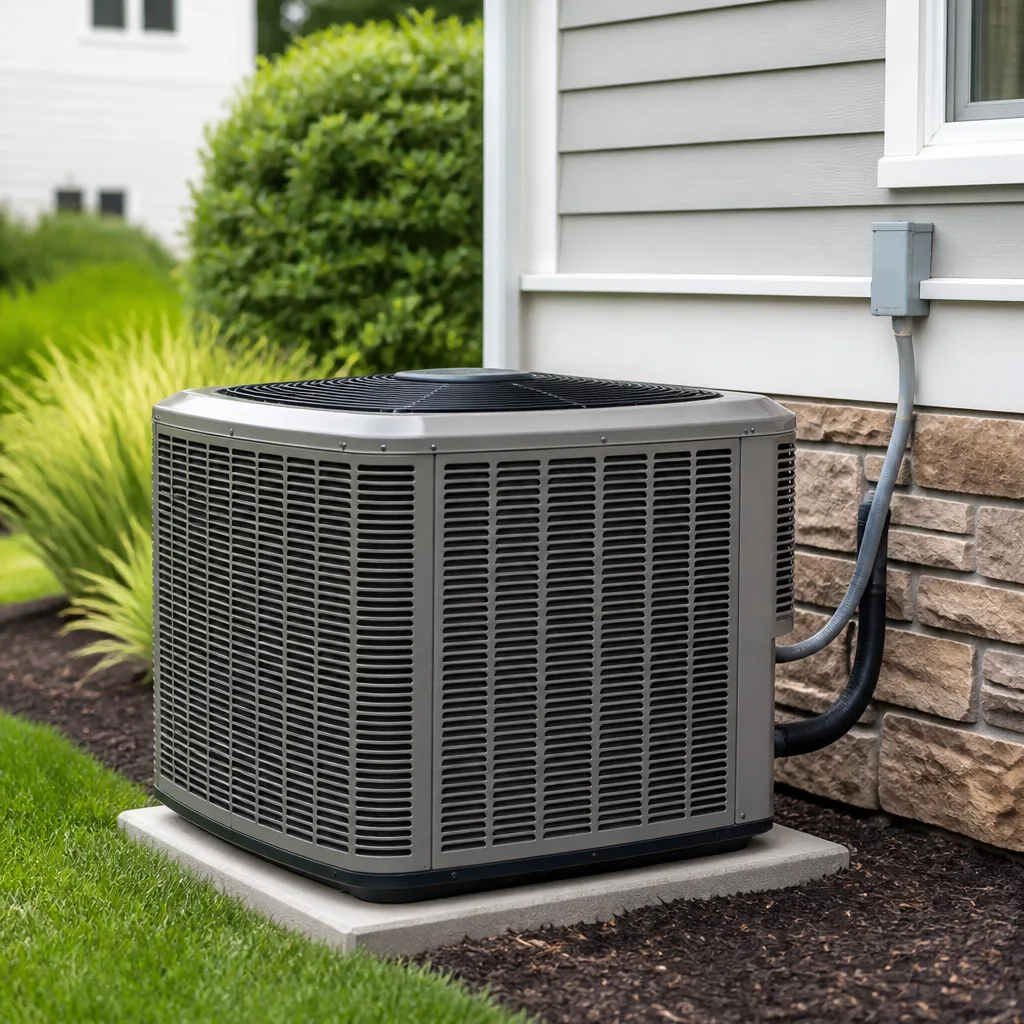 AC repair
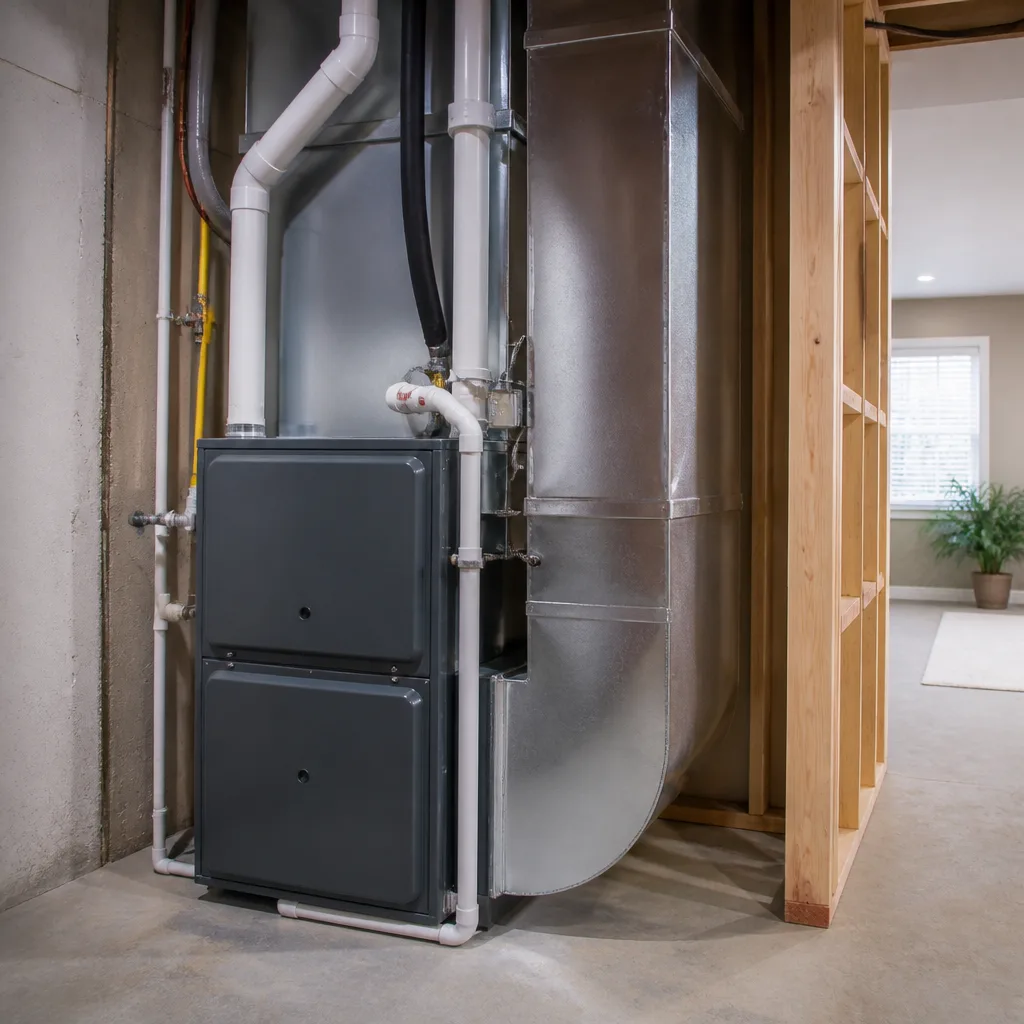 Furnace & heating
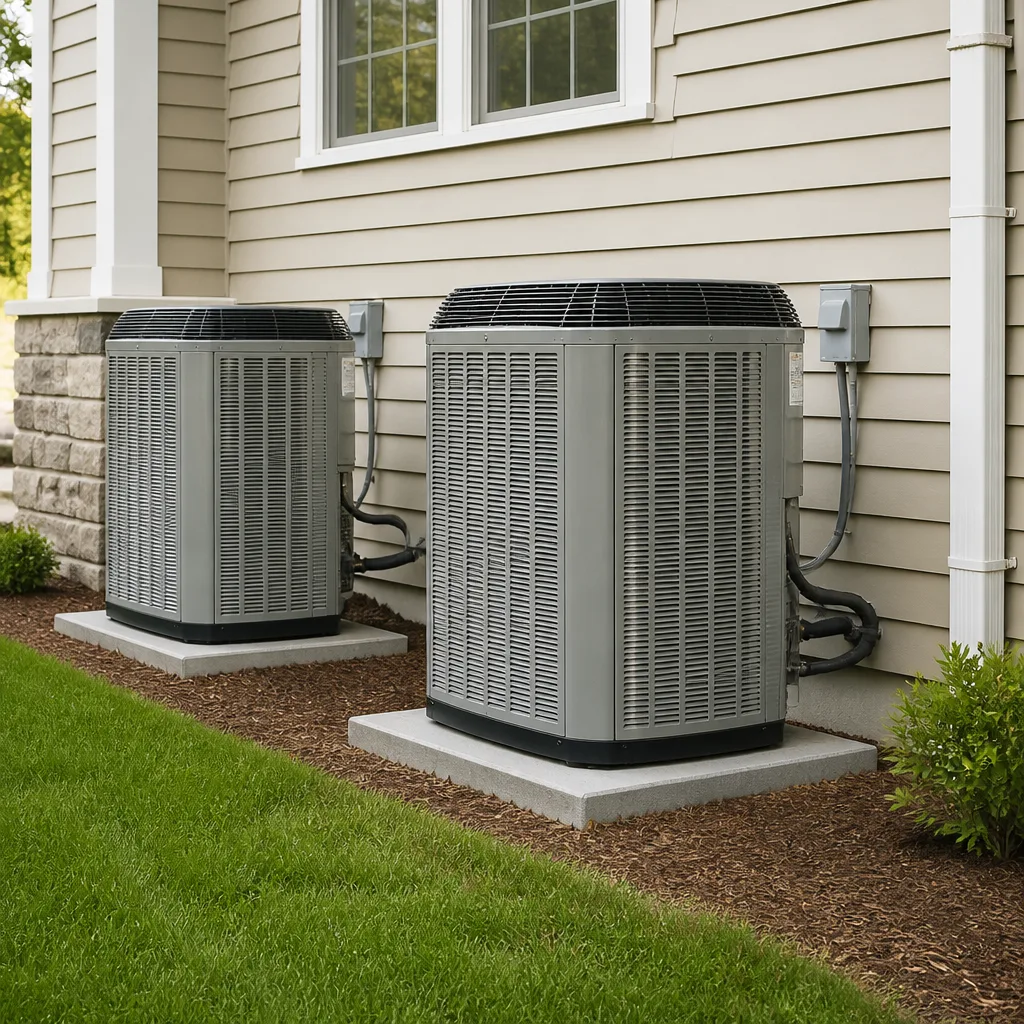 Heat pumps
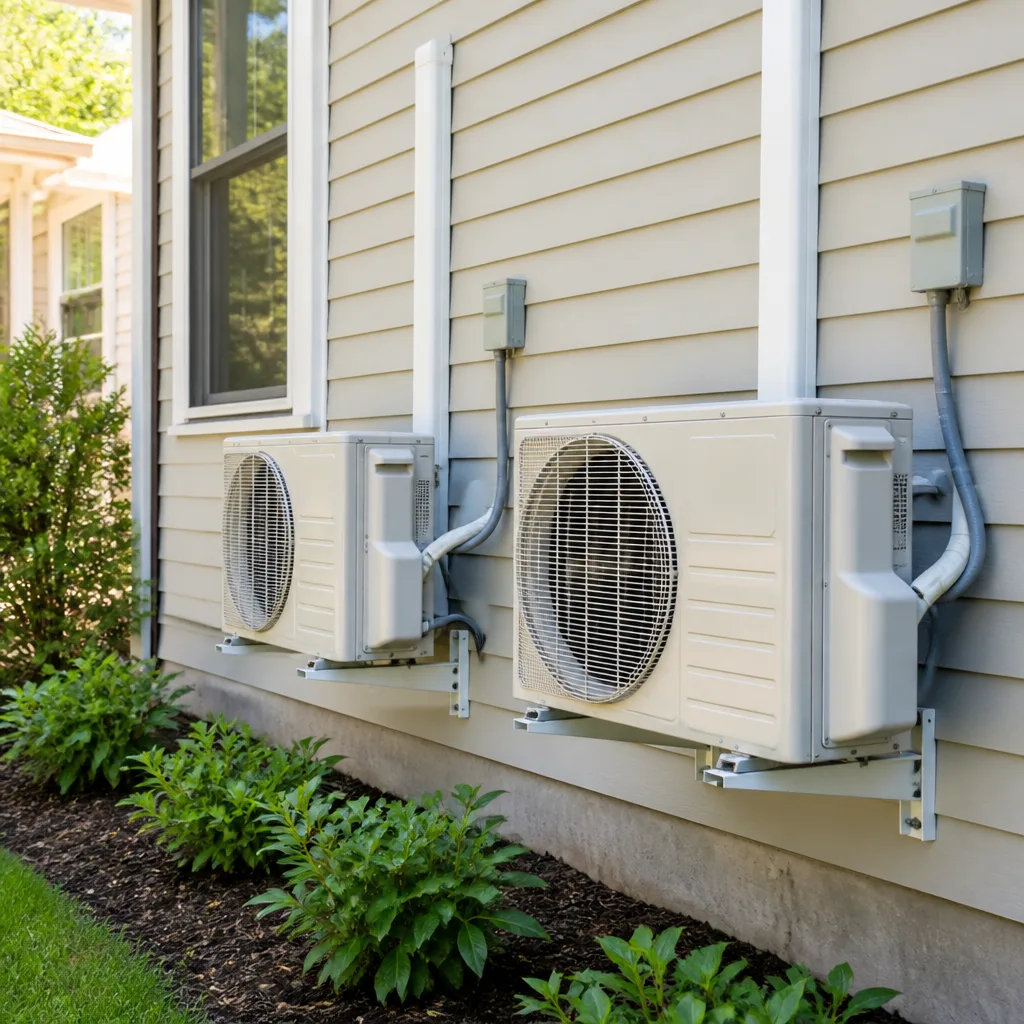 Ductless mini splits
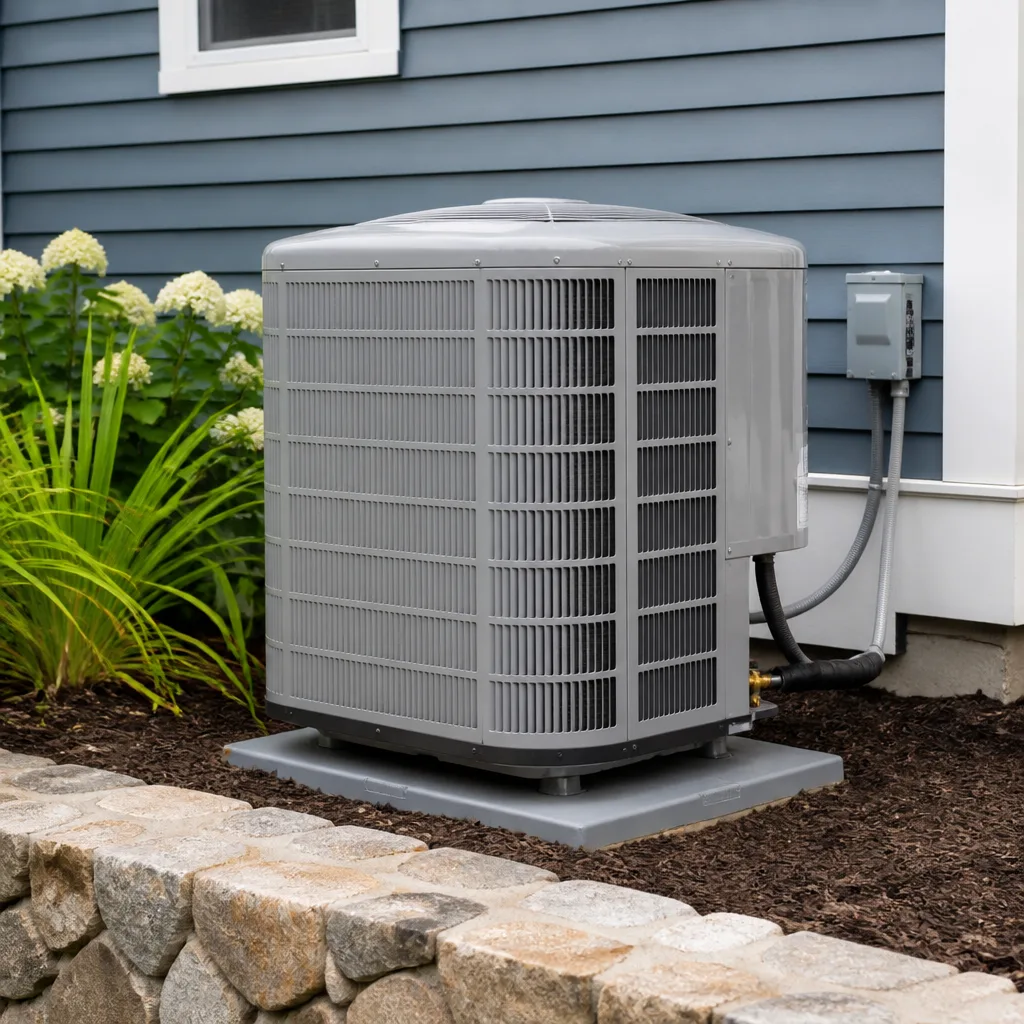 Carrier
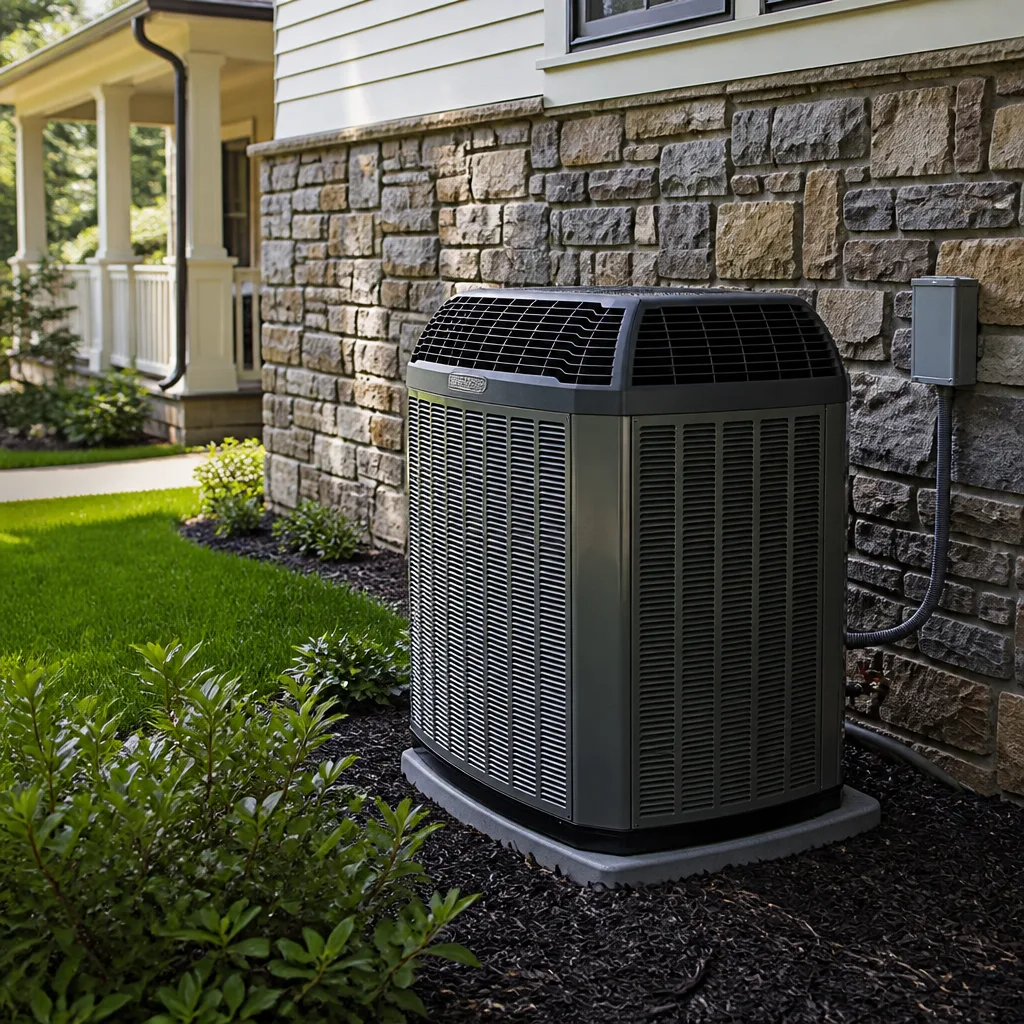 Trane
Trane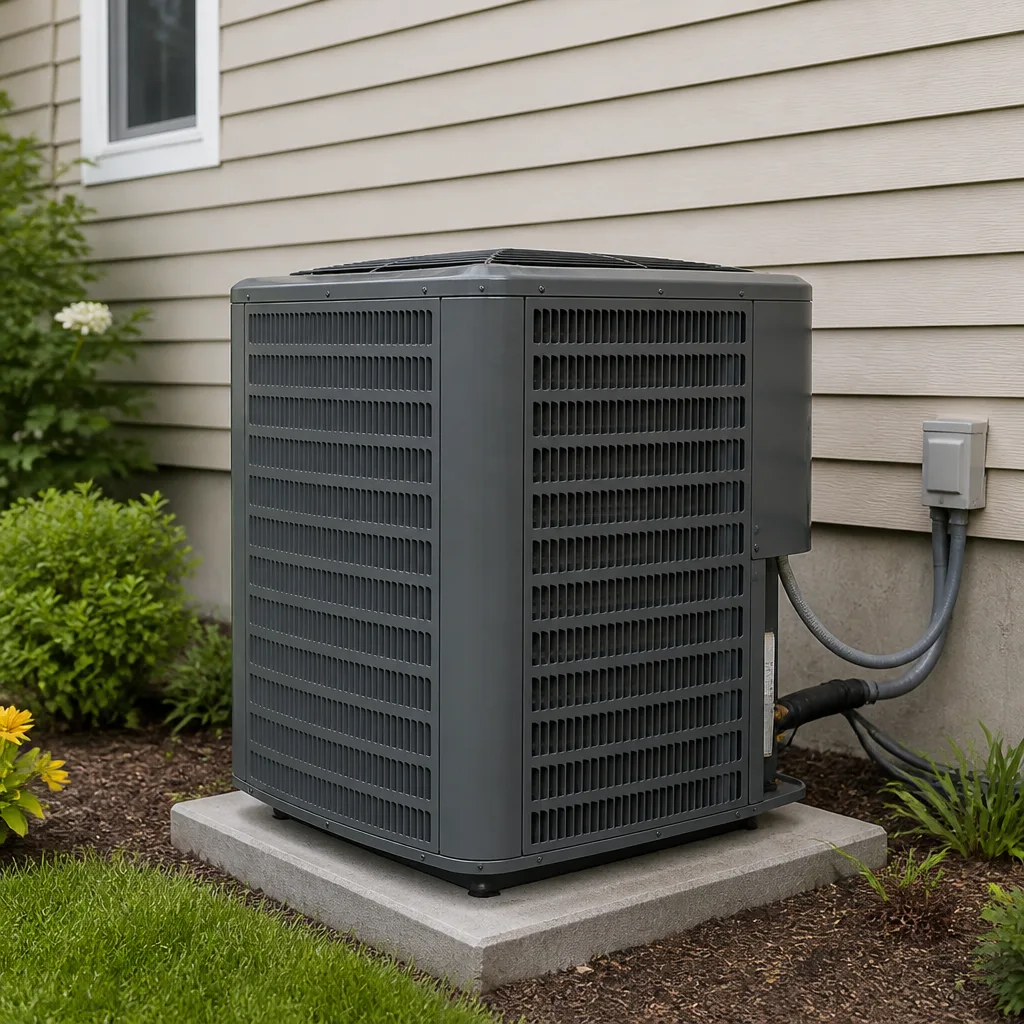 Goodman
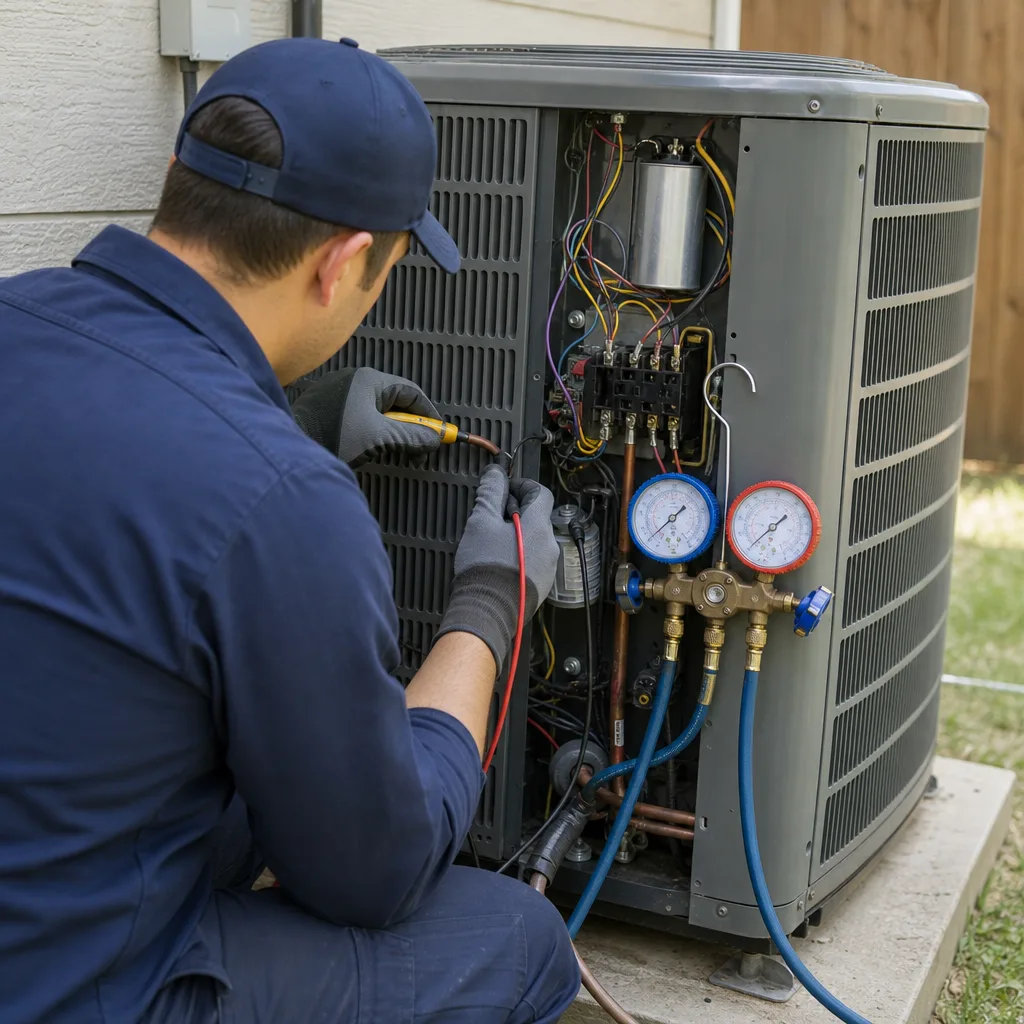
Seasonal tune-up and full diagnostic on your Carrier, Trane, or Goodman system - readings shown to you before any repair is proposed
Diagnosis first, numbers second - you approve the repair price before a single part goes in.
Get your free estimateHVAC Cost Breakdown: The Fort Worth Homeowner’s Reference for 2026
Two Fort Worth homeowners with nearly identical 2,000-square-foot houses and the same failed compressor can get quotes ranging from $1,400 to $3,200 for the same repair. The difference is almost never the parts. It’s how the company prices labor, what markup they bury in the line items, and whether they’re willing to put a number in writing before touching the unit. This guide publishes real 2026 price ranges for the most common heating and air jobs in Fort Worth, explains what actually drives the spread, and walks you through reading a quote like someone who’s seen a few thousand of them. By the end, you’ll know what’s fair, what’s flagged, and when a low number is a warning sign rather than a win.
Styles & brands we work with
Quick Answer
Most HVAC work in Fort Worth falls into predictable bands in 2026: a seasonal tune-up runs $89 to $180, common AC repairs land between $150 and $500 depending on the part, and variable-speed full system replacements run roughly $9,500 to $18,000 installed. The single biggest cost driver is system capacity and efficiency rating, followed by the difficulty of the install location (attic vs. closet vs. outdoor pad). Call (817) 632-5499 for an exact quote in writing before any work begins.
Table of Contents
- What Fort Worth Actually Pays: 2026 Price Table for the 10 Most Common HVAC Jobs
- The Labor Rate Reality in Fort Worth: What You’re Really Paying For
- How to Read a Fort Worth HVAC Quote Line by Line
- Oncor Rebates and Federal 25C Credits: Stacking Incentives in 2026
- What an Upfront Written Price Looks Like (and Why It Protects You)
- The Five Variables That Actually Move Your Price in Fort Worth
- Common Mistakes to Avoid
- When to Call a Professional
- Frequently Asked Questions
- The Bottom Line
What Fort Worth Actually Pays: 2026 Price Table for the 10 Most Common HVAC Jobs
Here’s the thing most HVAC companies in Fort Worth won’t tell you: the spread between low and high quotes on the same job is often two or three times the actual cost difference in materials. That spread is markup, labor rate, and overhead philosophy. When we rebuild this table each year from our own job data and conversations with Fort Worth homeowners, we see the same ranges holding steady, with modest upward pressure from refrigerant cost and equipment pricing from Carrier, Trane, and Goodman.
| Job Type | Low Range | Mid Range | High Range | What Moves the Number |
|---|---|---|---|---|
| Seasonal tune-up (AC or furnace) | $89 | $129 | $180 | System age, accessibility, number of inspections included |
| Capacitor replacement | $120 | $220 | $340 | Capacitor rating, system location, trip fee absorption |
| Refrigerant recharge (R-410A or R-454B) | $180 | $350 | $700+ | Pounds needed, leak location, refrigerant type |
| Condensate drain line cleanout | $90 | $160 | $250 | Access difficulty, blockage severity |
| Evaporator coil replacement | $1,200 | $1,800 | $2,800 | Coil type, system age, refrigerant lines |
| Blower motor replacement | $450 | $750 | $1,200 | Motor type (PSC vs ECM), system size |
| Compressor replacement (under warranty) | $900 | $1,400 | $2,200 | Labor coverage, refrigerant, flush materials |
| Compressor replacement (out of warranty) | $1,800 | $2,500 | $3,500+ | Unit age, brand availability, install difficulty |
| Ductless mini-split install (single zone) | $3,500 | $5,000 | $7,000 | Line set length, pad/stand, electrical run |
| Full system replacement (furnace + AC, 3-ton, 16-18 SEER2) | $9,500 | $12,500 | $18,000 | Efficiency rating, variable-speed vs single-stage, duct modifications |
Fort Worth’s climate shapes these numbers more than most people realize. Summer attic temps routinely hit 130°F, which makes coil work and furnace swaps in July genuinely harder than the same job in October. North Texas clay soil also shifts, and older homes in Como or Meadowbrook with original duct runs often need plenum modifications that newer builds in Walsh Ranch or Northside don’t. When you see a wide range on a quote line, ask the company to name the variable. If they can’t, the range is just a negotiation cushion.
For repair work, we’ve written about typical AC repair costs in Fort Worth in more detail, but the short version is this: most breakdowns are electrical (capacitors, contactors, boards) and should come in under $500. When quotes cross $1,000 on a system under 10 years old, that’s a signal to get a second opinion, not a red flag on its own, but a prompt to check the math.
The Labor Rate Reality in Fort Worth: What You’re Really Paying For
Legitimate HVAC companies in Fort Worth bill labor at $85 to $160 per hour in 2026. The range reflects licensing, insurance, technician training, and the back office (dispatcher, parts runner, warranty staff) that keeps a service truck moving. When you see a $45 hourly rate advertised, that business is almost certainly not licensed, not insured, or planning to recover the difference through inflated parts markup.
Here’s what a real labor rate covers, line by line:
- The technician during your job – trained, background-checked, uniformed, and paid whether your job takes one hour or three
- Drive time and dispatch – a service area the size of Fort Worth means a tech might spend 40 minutes each way in traffic on I-35W
- Overhead on the truck – insurance, fuel, inventory, tooling, and the testing equipment (manifold gauges, micron gauge, combustion analyzer) that each run $500 to $3,000
- Warranty administration – someone has to file the compressor warranty, track the part, and stand behind the work if a callback happens
- Continuing training – R-454B refrigerant, inverter technology, and new codes require constant education
In our experience on the ground in Fort Worth, the companies charging the mid-to-high labor range are often the ones that answer the phone in real time and put guarantees in writing. The low-rate operations tend to vanish when a part fails three weeks later. A low hourly rate on a quote is not a deal. It’s a risk transfer, from the company to you.
For furnace-specific work, we cover furnace repair pricing in Fort Worth on our dedicated page, and the same labor logic applies: a gas furnace in a crawlspace or attic takes longer and costs more than a closet unit with clear access.
How to Read a Fort Worth HVAC Quote Line by Line
Every HVAC quote in Fort Worth, whether from a one-man operation or a large regional shop, follows the same basic architecture. Some companies hide costs in the gaps. Others make the gaps obvious. Here’s how to dissect it:
Step 1: Identify the “trip charge” or “diagnostic fee.” Most companies charge $59 to $99 to show up and diagnose. Some waive it if you approve the repair. Others don’t. Halden waives the trip on most completed repairs. Ask before you book.
Step 2: Find the equipment line item. On replacement quotes, this should show make, model, tonnage, and SEER2 rating. If the quote just says “3-ton system” with no brand or model, that’s not a quote. That’s a placeholder they’ll fill with whatever’s on the parts shelf.
- Equipment line – brand, model, capacity, efficiency rating. Fixed. Non-negotiable if you want the warranty.
- Labor line – the install or repair labor, usually bundled. This is the most competitive variable in Fort Worth. Labor is negotiable when you’re getting multiple quotes.
- Materials/accessories line – line sets, pad, whip, disconnect, thermostat, duct transitions, venting. Should list each item. Vague “materials” with a round number is padding.
- Permit line – City of Fort Worth mechanical permit fees. Fixed cost, $150 to $400 depending on scope. Any company that says “permit not required” on a full system replacement is either unlicensed or lying.
- Disposal/recovery line – removal of the old unit and refrigerant recovery. Legitimate cost, usually $100 to $300. Should be itemized.
- “Shop supplies” or “miscellaneous” – this is the one to question. A $40 supplies fee on a repair is normal. A $300 “miscellaneous shop supplies” on a replacement is usually hidden margin. Ask what it covers. If they can’t answer in one sentence, remove it or walk.
Step 3: Check the warranty terms. The quote should state parts warranty length (typically 5 to 10 years on new equipment from Carrier, Trane, or Goodman, depending on registration) and labor warranty (90 days to 2 years, depending on company). If the labor warranty period isn’t in writing, assume it doesn’t exist.
Step 4: Look for the total with tax and fees. Fort Worth’s combined city and state sales tax on commercial services applied to parts (not labor) runs about 8.25%. A quote that lists labor and parts separately has already done the tax math for you. One that doesn’t might add it at the end.
Oncor Rebates and Federal 25C Credits: Stacking Incentives in 2026
North Texas is one of the better markets in the country for HVAC incentives, and most Fort Worth homeowners leave money on the table because nobody tells them the stacking rules. Here’s how it works in 2026:
- Oncor residential efficiency rebates. Oncor pays rebates on qualifying high-efficiency heat pumps, central ACs, and duct sealing. Typical 2026 rebates run $300 to $1,200 depending on equipment type and efficiency tier. Your install company has to be an approved Oncor participating contractor, so ask before you sign.
- Federal 25C tax credit. The Inflation Reduction Act extended the 25C credit through 2032, giving a tax credit of up to 30% of project cost on qualifying equipment, capped at $2,000 for heat pumps and in some cases $600 for standard high-efficiency AC units. This is a credit against taxes owed, not a rebate check.
- Stacking logic. Oncor rebates are point-of-sale or post-install reimbursements that reduce your net cost immediately. The 25C credit reduces your federal tax bill the following April. They are designed to be combined. A $12,000 heat pump install in Fort Worth could net out at $9,500 after an $800 Oncor rebate and a $1,700 tax credit.
Your contractor should provide the AHRI reference number for any equipment installed, which is the document you need for both the rebate and the tax credit. If a company shrugs when you ask about AHRI certification, that’s a sign they won’t be filing your rebate paperwork correctly, or at all.
What an Upfront Written Price Looks Like (and Why It Protects You)
Most HVAC pricing in Fort Worth works on a model we call “diagnose, then negotiate.” A tech shows up, diagnoses the problem, and the price appears on a tablet with pressure applied to sign. The homeowner has no time to compare, no line items to review, and no leverage. That’s the model this guide exists to dismantle.
An upfront written price means the scope, the equipment, the labor, and the total are committed to paper before any tool is picked up. It includes the model number, the warranty term, the permit status, and a signature line. It’s the difference between a quote and an estimate. A quote is fixed. An estimate is a guess.
At Halden Heating and Air Fort Worth, every job, repair or replacement, gets a written price before work begins. If a system replacement involves duct modifications we discover after opening the plenum, the change order is in writing too, with your signature before the additional work happens. You’re never chasing an explanation after the fact. That document is also what makes our written guarantee meaningful: when the terms are listed, there’s no ambiguity about what’s covered when something fails.
The Relay Standard, which Halden operates under as part of the Relay Home Co. network, formalizes this: book online, get a live arrival time, see the written price before work starts, and track the technician to your door. That’s The Relay Visibility Guarantee in action, and in a market like Fort Worth where door-step pricing is still the norm, it’s a structural advantage for homeowners, not a marketing tagline.
The Five Variables That Actually Move Your Price in Fort Worth
Forget the idea that HVAC pricing is random. When we look at thousands of jobs across Fort Worth, the same five variables explain almost all variance:
- Square footage and thermal load. A 1,400-square-foot home in Wedgwood needs about 2.5 tons. A 3,200-square-foot home in Mira Vista needs 5 tons and likely zoned ductwork. Equipment capacity is a step function, not a sliding scale, and each step adds real dollars.
- System location. Ground-level closet installs are the cheapest and fastest. Attic installs in August in Fort Worth heat can add 15 to 25 percent to the labor line because the work is slower, hotter, and harder. Same principle applies to furnaces in crawlspaces.
- Efficiency rating. Single-stage 14.3 SEER2 equipment is the workhorse, but variable-speed 18 SEER2 or higher runs $3,000 to $5,000 more on a full system. The savings math works in Fort Worth’s climate if you plan to stay in the home seven-plus years. Under that, you’re buying comfort, not payback.
- Brand and warranty tier. Carrier, Trane, and Goodman all make reliable equipment in 2026, but warranty terms and parts availability differ. A Goodman system is typically the value play, Trane carries a mid-premium reputation, and Carrier sits at the upper end. All three will cool a Fort Worth house. The brand matters less than the install quality.
- Timing and urgency. A compressor failure on a 104-degree July afternoon in Fort Worth is an emergency, and emergency pricing exists because it has to: a tech working overtime to get your house cool is not working at standard labor rates. Plan replacements in spring or fall, and you’ll consistently see better pricing.
If you’re weighing repair against replacement, our AC installation page for Fort Worth walks through the decision framework, including when a repair on an old R-22 system is just prolonging a leaky, inefficient unit.
Common Mistakes to Avoid
- Taking the first quote without itemization. A single total with no line items is an invitation to pad. Always request the equipment, labor, permit, and materials broken out.
- Choosing a contractor based on price alone. In Fort Worth, the cheapest quote on a full system replacement is often missing the permit, the AHRI filing, or the load calculation. That house you bought in Arlington Heights with original 1990s ductwork? A cheap swap won’t fix the airflow problems.
- Signing without a written warranty. If the labor warranty isn’t in writing, it’s a handshake, and handshakes don’t survive a Texas summer blackout.
- Ignoring the Oncor rebate deadline. Rebate programs have annual cycles. A system installed in December might count toward the 2027 cycle, but only if filed correctly. Ask your contractor about timing.
- Skipping the load calculation. A company that sizes by square footage rule-of-thumb (400 square feet per ton) without checking windows, insulation, and orientation is guessing. In Fort Worth’s climate, an oversized unit short-cycles, spikes humidity, and dies early. A load calculation (Manual J) is standard on any replacement worth doing.
- Not asking about the after-hours rate structure. A repair at 2 a.m. on a 100-degree night in Fort Worth runs more than a Tuesday morning visit. The rate difference is legitimate. What’s not legitimate is being quoted an after-hours rate without being told it’s after-hours.
When to Call a Professional
Call an HVAC professional in Fort Worth when you hear a buzzing compressor that won’t start, see ice forming on the refrigerant lines, smell burning from the air handler, or your furnace flame burns yellow or rolls out (that’s a carbon monoxide risk, not a DIY project). If multiple breakers trip on the air handler or condenser circuit, stop resetting them and get a pro out; Fort Worth summer heat turns a deferred repair into a $3,000 compressor failure fast. For any gas-related work, any refrigerant handling, or any live electrical issue, a trained technician is the only safe call. Halden Heating and Air Fort Worth offers free estimates in Fort Worth – call (817) 632-5499 and we’ll give you a written price before any work starts.
Frequently Asked Questions
Most full system replacements (furnace plus AC) in Fort Worth run $9,500 to $18,000 installed, depending on capacity, efficiency rating, and install location. A 16-18 SEER2 AC paired with a 92-96% AFUE furnace is the most common sweet spot at roughly $11,000 to $14,000. Call (817) 632-5499 for an exact written quote with the model numbers itemized.
Replace it if the unit is over 10 years old, uses R-22 refrigerant, or the repair quote exceeds 40% of replacement cost. Repair it if the system is under 8 years old, the compressor is still under warranty, and the failure is electrical rather than mechanical.
Yes. Halden Heating and Air Fort Worth answers calls with a live person 24/7, and our technicians carry common parts like capacitors, contactors, and blower motors on the truck for same-day repairs across Fort Worth. Call (817) 632-5499; we’ll give you a written price before starting.
Yes. Oncor pays $300 to $1,200 on qualifying high-efficiency equipment in 2026, and the federal 25C tax credit covers up to 30% of eligible install costs (capped at $2,000 for heat pumps). Your contractor must be an approved Oncor participating contractor and file the AHRI paperwork. We handle that as part of every AC installation in Fort Worth.
The spread comes from labor rate, parts markup, warranty depth, and whether the company itemizes or bundles. Two Fort Worth companies quoting the same Goodman compressor swap can be $1,000 apart on labor and markup philosophy alone. Get itemized quotes and compare line by line.
Long, hot summers push runtimes high from May through September, and attic installs routinely happen in 130°F conditions, both of which drive labor cost and component wear. Seasonal tune-ups in spring and fall help catch small issues before they become $1,000+ breakdowns, and planning replacements outside peak heat usually saves on labor.
The Bottom Line
HVAC pricing in Fort Worth only looks foggy when the company doing the quoting wants it that way. The numbers are knowable: most repairs land between $150 and $500, full system replacements run $9,500 to $18,000, and the variable is almost always labor and markup philosophy, not parts. Ask for an itemized written quote. Check warranty terms in writing. File your Oncor rebate and 25C credit. And whenever a company won’t put a price on paper before work starts, treat that as what it is: a signal to call someone who will. Halden Heating and Air Fort Worth puts every price in writing, every time. Call (817) 632-5499 for a free estimate on repair or replacement.
Written by Andre Fuller, Owner at Halden Heating and Air Fort Worth, serving Fort Worth since 2004. Explore more guides & resources from our team.
See the difference
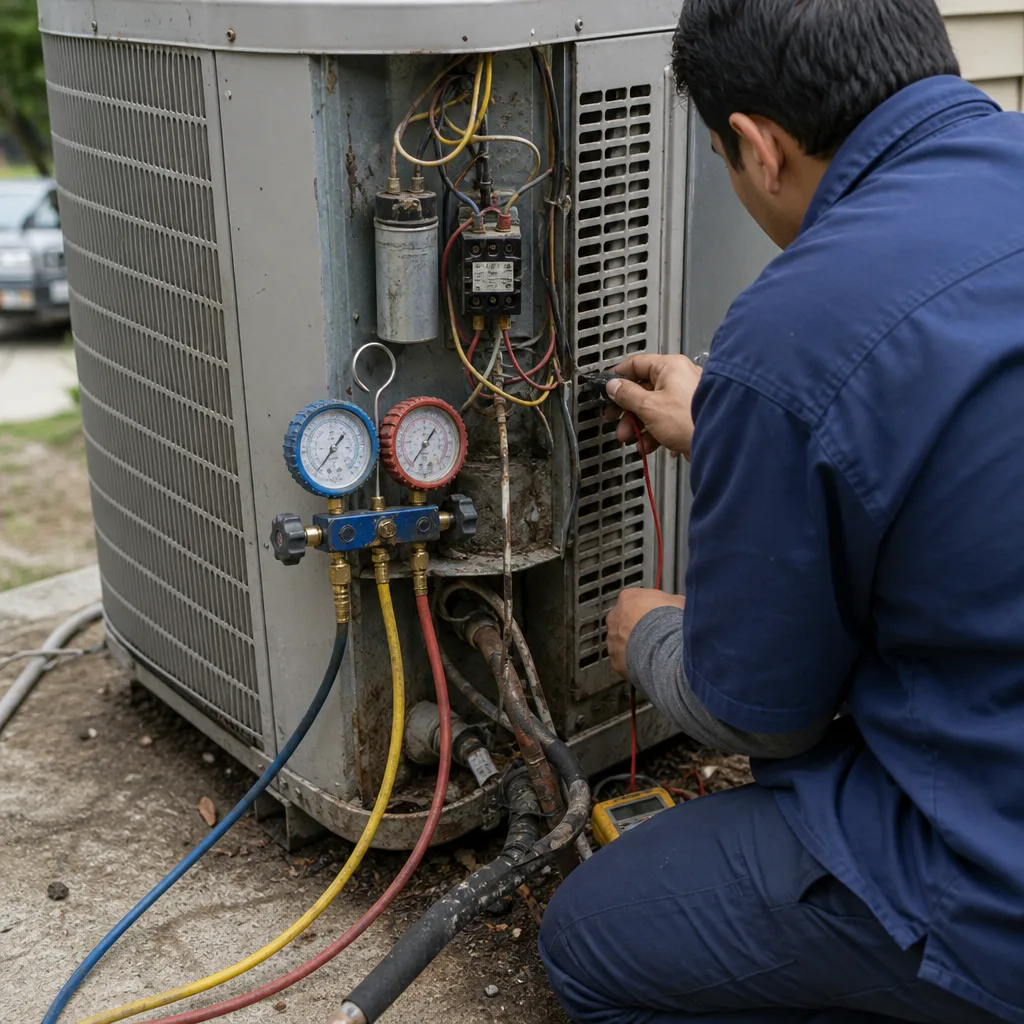 Before
 After
After Before
 After
After Before
 After
After