
Last updated October 16, 2026
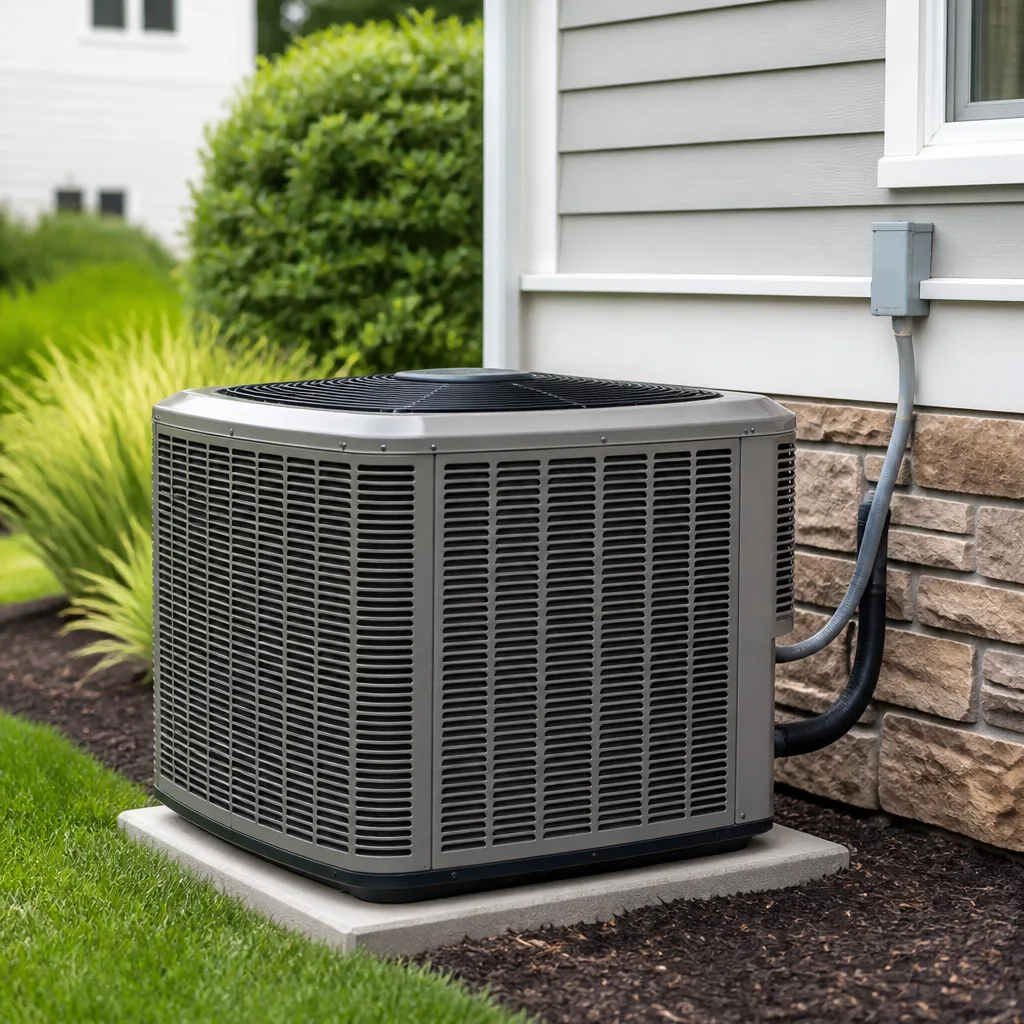 AC repair
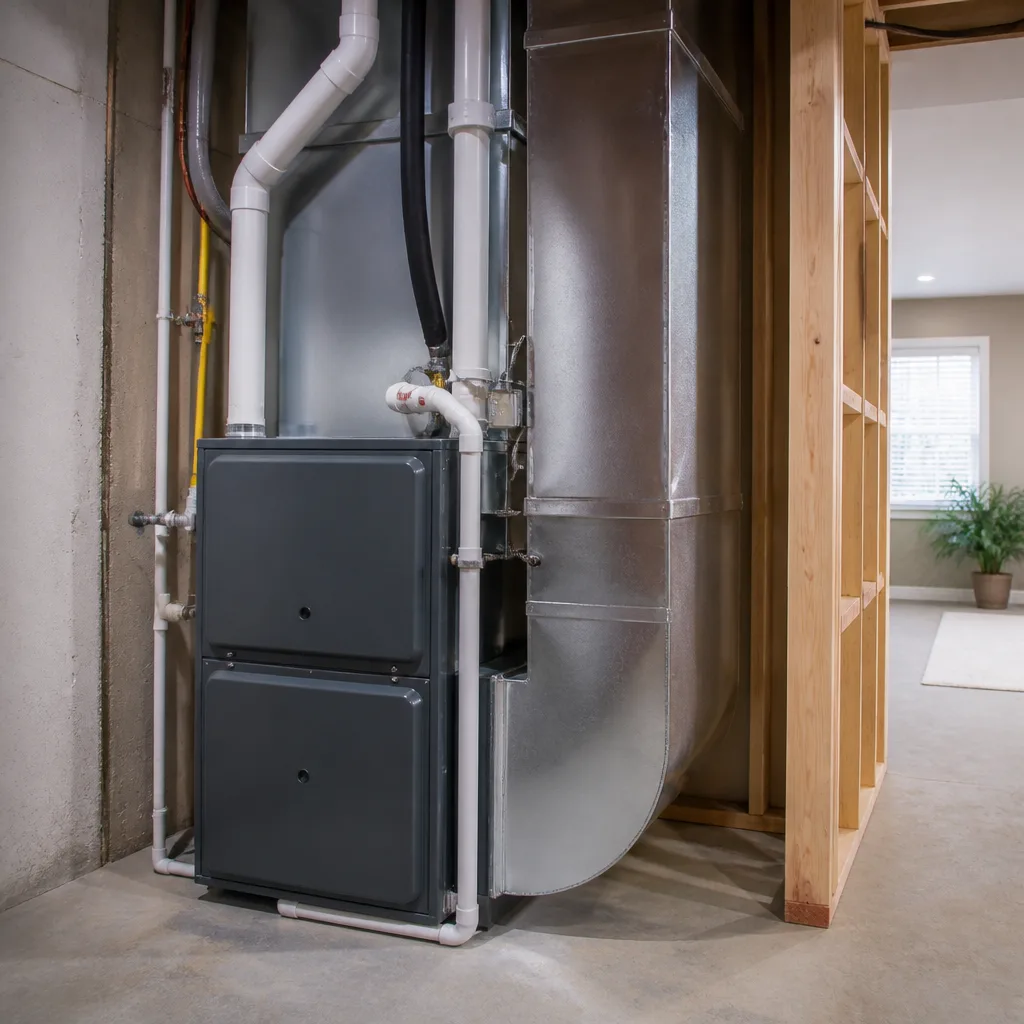 Furnace & heating
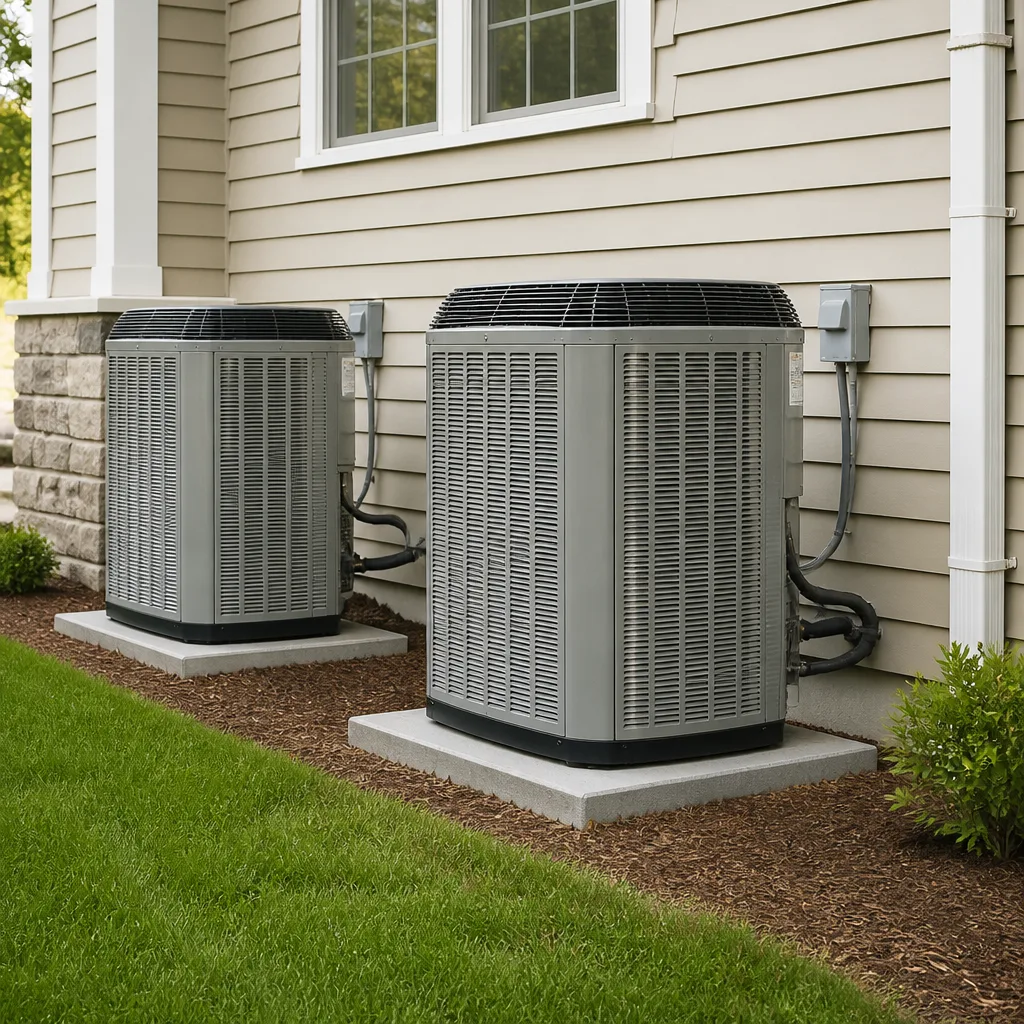 Heat pumps
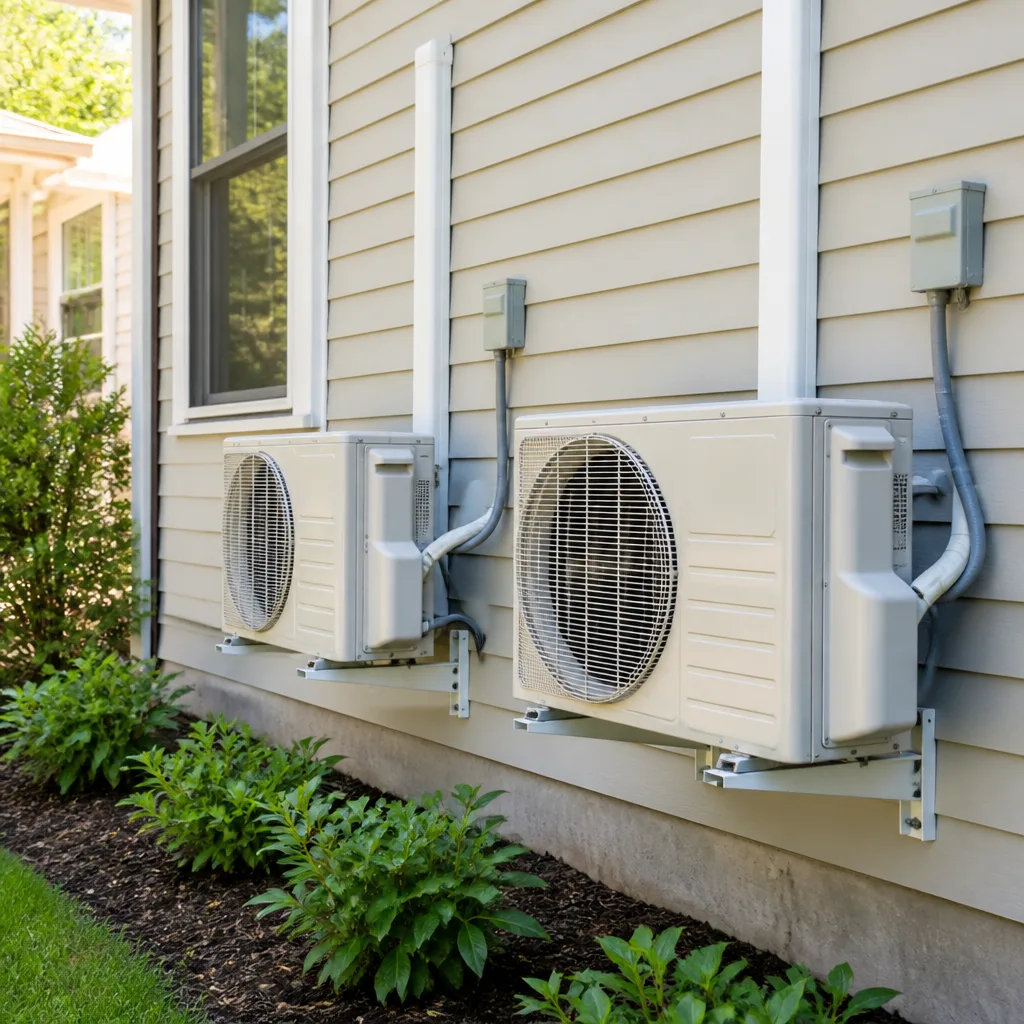 Ductless mini splits
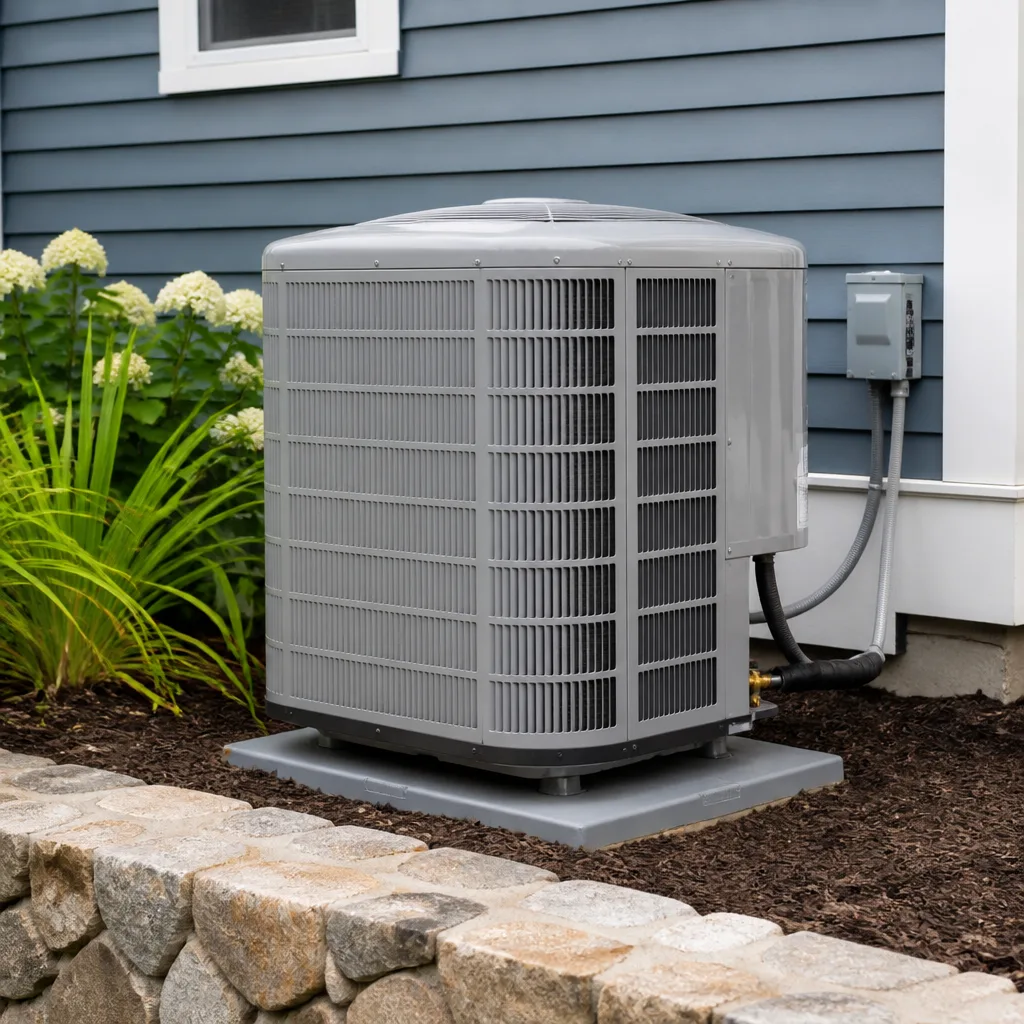 Carrier
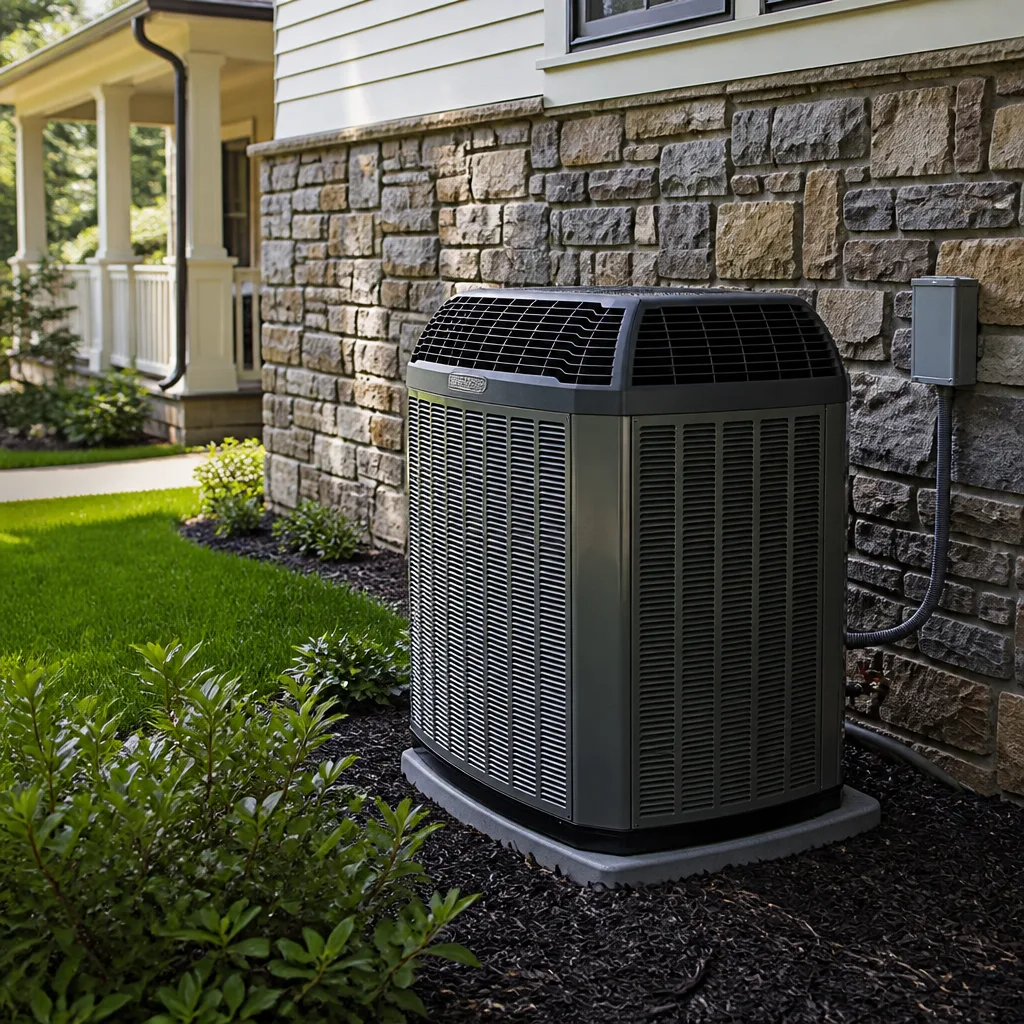 Trane
Trane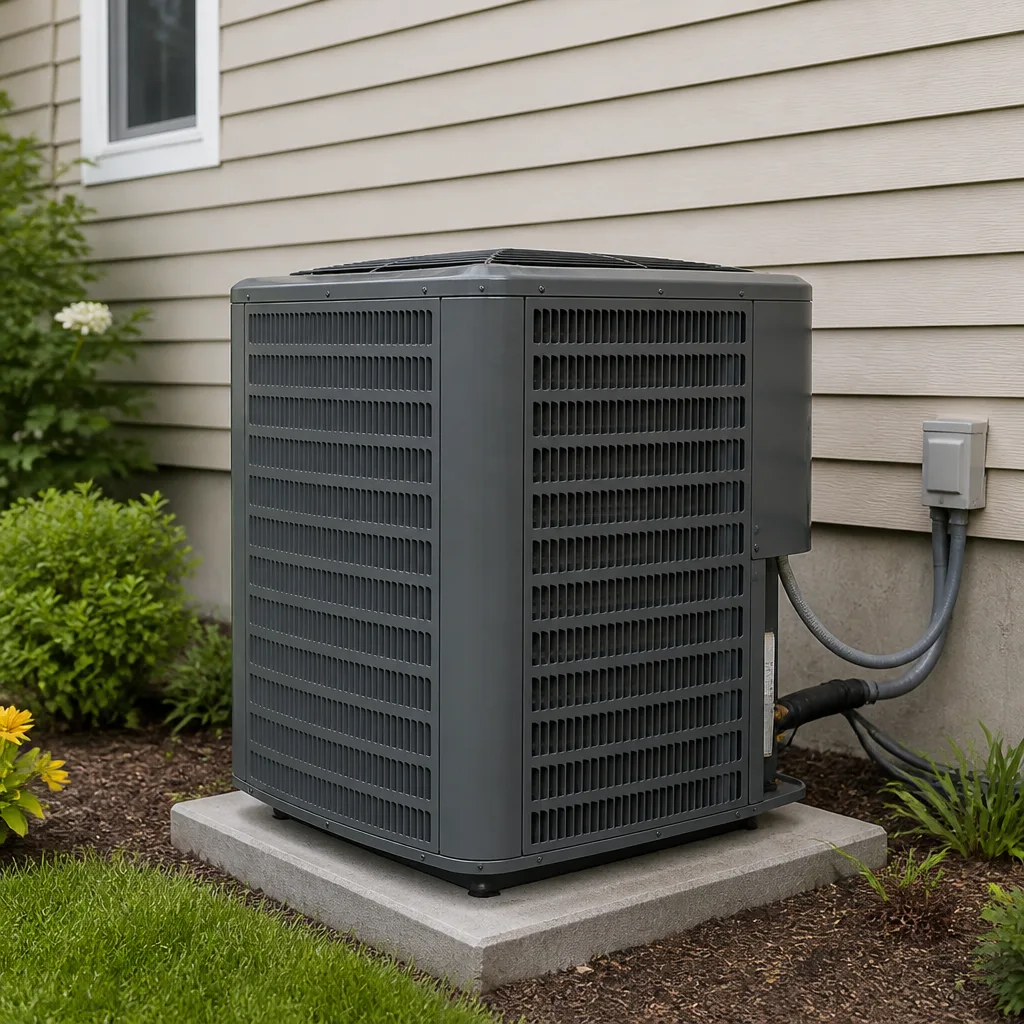 Goodman
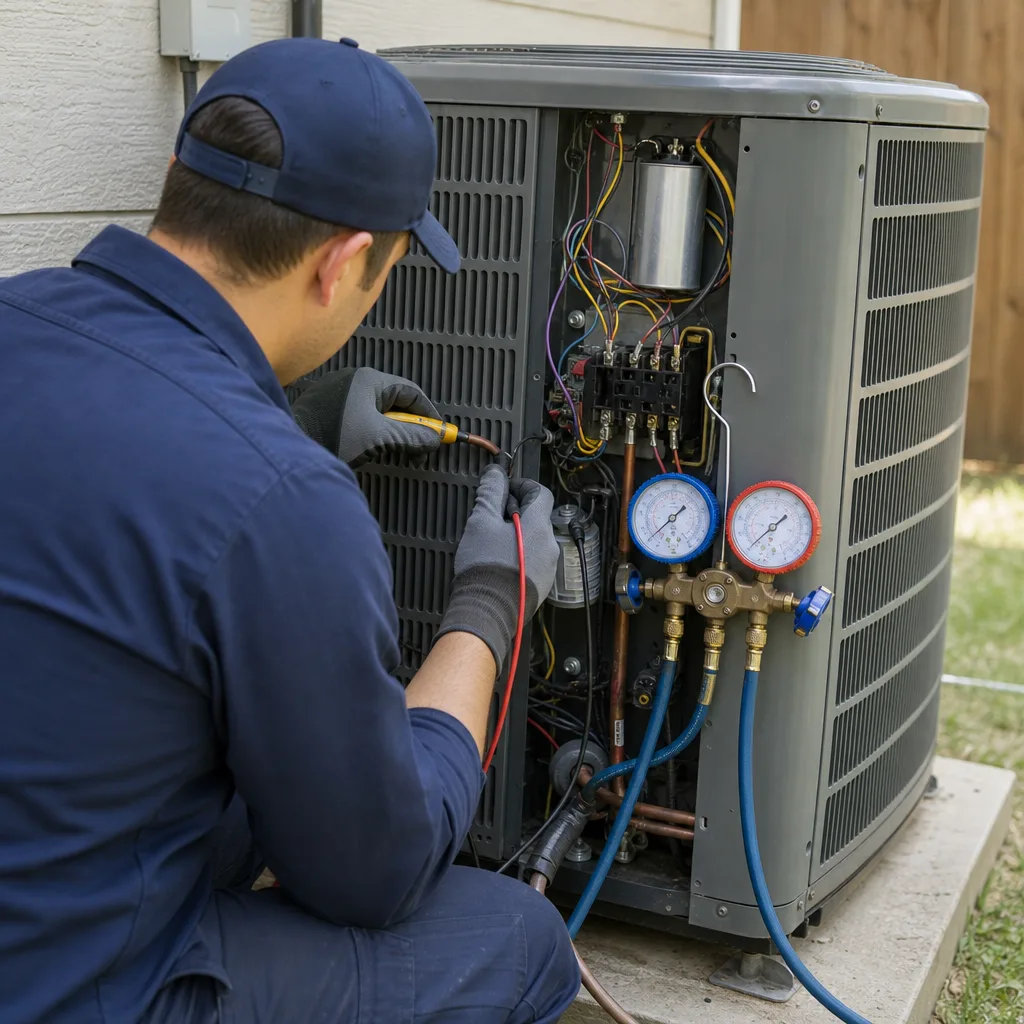
Seasonal tune-up and full diagnostic on your Carrier, Trane, or Goodman system - readings shown to you before any repair is proposed
Diagnosis first, numbers second - you approve the repair price before a single part goes in.
Get your free estimateHow to Hire a HVAC Contractor in Fort Worth: A Step-by-Step Guide
Texas is one of the only states that does not require HVAC technicians to carry an individual license. Only the company holds a state-issued TACL license, which means the person standing in your living room diagnosing a $15,000 system may have no state-verified credentials of their own. That single fact explains why two Fort Worth homeowners can get wildly different results from the same repair: one hires a company that vets its people, the other hires whoever answered the phone. This guide gives you an exact vetting script, the three documents to demand before scheduling, and the red flags that separate a straight-shooting contractor from one who prices at the door. By the time you finish reading, you will know how to compare quotes on paper, not on promises.
Styles & brands we work with
Quick Answer
To hire an HVAC contractor in Fort Worth the right way, ask for the company’s TACL license number, a certificate of liability insurance, and proof of workers’ compensation before scheduling. Then require a written, line-item quote that locks the price before any work begins, and ask five specific comparison questions across at least two or three companies. A good Fort Worth contractor will hand over all three documents in under two minutes and put the price in writing without hesitation.
Table of Contents
- The Three Documents to Request Before Scheduling
- Why a Verbal Quote Is Legally Meaningless in Texas
- The Dispatch Fee Trap and How to Expose It
- How the Relay Home Co. Network Vetting Works
- The Five Questions to Ask Every Contractor
- What Fort Worth Homeowners Need to Know About Local Pricing
- Red Flags That Should End the Conversation Immediately
- Common Mistakes to Avoid
- When to Call a Professional
- Frequently Asked Questions
- The Bottom Line
The Three Documents to Request Before Scheduling
Here is the exact request to make on your first phone call with any HVAC company in Fort Worth: “Before we schedule anything, can you send me your TACL license number, your certificate of liability insurance, and proof of workers’ comp coverage?” That sentence takes ten seconds to say and tells you more about a company than an hour of online reviews. A legitimate operation will already have these files ready to email. A company that stalls, deflects, or says “we can bring them to the appointment” is telling you something.
Document 1: TACL License Number
The Texas Department of Licensing and Regulation issues TACL numbers to HVAC companies. The number follows a format like TACLA00012345C, where the final letter indicates the scope of work. To verify it, go to the TDLR website, enter the number in the license search tool, and confirm the company name matches who you called. This takes about 90 seconds. In Fort Worth, where summer AC failures are a genuine emergency, scammers know homeowners are rushed and will skip this step. Do not skip it. And remember: the TACL belongs to the company, not the individual technician. That is why the next two documents matter just as much.
Document 2: Certificate of Liability Insurance
A certificate of liability insurance proves the company carries coverage if a technician damages your home. Ask for the certificate to be emailed to you directly, then check the policy dates. If the coverage period is expired, the certificate is worthless. Any company doing work in Fort Worth neighborhoods like Ridglea Hills or Wedgwood should be able to produce this within minutes. If they cannot, ask yourself what else they are cutting corners on.
Document 3: Proof of Workers’ Compensation
This is the one most Fort Worth homeowners skip, and it is the one that can cost you the most. If a technician falls off a ladder in your home and the company does not carry workers’ comp, you may be on the hook for medical bills through your own homeowners insurance. In Texas, workers’ compensation is not required by law for most private employers, which means plenty of HVAC companies operate without it. That is legal, but it shifts risk onto you. Our team carries it. Demand the same from anyone you invite into your home.
Here is the step-by-step verification process:
- Call the company and ask the three-document question verbatim.
- Ask for the documents to be emailed to you, not shown in person.
- Verify the TACL number on the TDLR license lookup site.
- Check the insurance certificate’s effective dates.
- Confirm the workers’ comp certificate names the company you actually called.
- If any step fails, end the conversation and move to the next name on your list.
Why a Verbal Quote Is Legally Meaningless in Texas
Here is the uncomfortable truth about HVAC pricing in Fort Worth: a number spoken over the phone is not a contract. It is not evidence. It is not enforceable. If a technician says “this will probably run about $400” and the invoice later reads $1,200, you have no legal leg to stand on unless you recorded the call or have the number in writing. The fix is simple: demand a written, line-item quote before any tool comes off the truck.
A real written quote in Fort Worth should include all of the following:
- The exact scope of work: What part will be replaced, what will be repaired, what will be inspected.
- Parts cost separated from labor: This prevents a contractor from hiding a $300 labor charge inside a “$600 total” with no explanation.
- Equipment brand and model numbers: If you are getting a new condenser or furnace, the quote should name the specific unit, not just “14 SEER system.”
- Warranty terms in writing: What is covered, for how long, and what voids it.
- Payment terms and schedule: When money is due, and whether any deposit is required before work starts.
- Start and completion dates: A quote without a timeline is a wish, not a plan.
At Halden Heating and Air Fort Worth home, we put the price in writing before any work starts, every single time. No exceptions. That is not a promotion or a limited-time offer; it is how every job runs, from a capacitor swap in Far North Fort Worth to a full heat pump installation in Arlington Heights.
The Dispatch Fee Trap and How to Expose It
Some Fort Worth HVAC companies advertise a service call fee of $49 or even $29. That number gets them in the door. Then the diagnostic fee appears: $89 to check the system. Then a “system assessment fee” of $129 to tell you what is wrong. Suddenly your $49 visit is $267 before anyone has touched a screw. We call this the dispatch fee trap, and it works because most homeowners feel committed once a technician is standing in the living room.
The fix is a single question, asked on the phone before you schedule: “Does the service call fee include the full diagnostic, and will I receive a written price for the repair before any work is approved?” If the answer is anything other than a clear yes, hang up. A straight answer sounds like this: “The diagnostic is included in the visit fee, you will get a written price for any needed repair, and you decide before we start.” If you hear “well, it depends on what we find” or “we will let you know once we are there,” you are talking to a company that prices at the door. In our experience across Fort Worth, door-pricing is where the worst surprises come from.
Here is the exact script to use:
- “What is the total service call fee, including diagnostic?”
- “Is that fee credited toward the repair if I approve the work?”
- “Will I receive a written, line-item price before any repair begins?”
- “If I decline the repair, I pay only the visit fee, correct?”
- “Is that in writing on the work order you text or email me?”
If a company balks at any of those five questions, you have learned what you needed to know. The $29 ad was bait.
How the Relay Home Co. Network Vetting Works
Halden Heating and Air Fort Worth is part of the Relay Home Co. network, which means a specific, documented set of vetting standards applies to every technician who arrives at your door. This is not a Yelp search or a “top ten” listicle. It is an operational standard with teeth.
Here is what the vetting actually looks like, and what it means for you as a Fort Worth homeowner:
- Background checks on every technician: Not just at hiring. The Relay Standard requires continuous re-verification, so a badge printed three years ago does not tell the whole story.
- Uniformed, identifiable staff: You know exactly who is at your door before you open it.
- Live arrival times: You track your technician to the door the way you track a rideshare. No four-hour windows.
- Written price before work starts: This is non-negotiable inside the network. The price is locked before a tool is picked up.
- The Relay Visibility Guarantee: Before-and-after photos of the work, documentation of what was replaced and why, and no mystery about what happened while you were at work.
- 365-Day Done Right Promise: Every completed job carries a full year of accountability. If it is not done right, we make it right, backed by a written guarantee.
Compare that to a random Google search result. A company with a good Yelp page can still send an unvetted subcontractor to your house, quote a low number, and disappear when the fix fails in November. The network standard exists for exactly that reason. When you call AC Repair in Fort Worth through Halden, you are not rolling dice on who shows up.
The Five Questions to Ask Every Contractor
You are going to get at least two or three quotes. Most Fort Worth homeowners compare them by looking at the bottom-line number, which is exactly backwards. Two quotes can look identical at $6,000 and be completely different jobs. The only way to compare apples to apples is to ask every contractor the same five questions and write down the answers.
Question 1: “Is the price you quoted locked, in writing, before work starts?”
If they say “that is an estimate,” treat the number as fiction. An estimate can move. A locked written price cannot. Ask them to confirm in writing that the final invoice will match the approved quote unless you approve a change order in writing yourself.
Question 2: “Does this quote include every fee, or will there be a separate dispatch, diagnostic, or materials charge?”
This is where the dispatch fee trap hides. Make them list every single line item. If they will not, the quote is not complete.
Question 3: “What brand and model number are you installing, and what is the SEER2 or AFUE rating?”
SEER2 is the current efficiency rating for cooling; AFUE is the furnace efficiency percentage. A contractor quoting “a 14 SEER system” without naming the exact unit, like a Daikin or American Standard model, is giving you a placeholder. Placeholder quotes tend to change.
Question 4: “Who handles the warranty, and what does it cover specifically?”
Equipment warranties come from the manufacturer. Labor warranties come from the contractor. Ask both. A new Carrier or Bryant system typically carries a 10-year parts warranty when registered, but labor coverage varies wildly. Get it in writing.
Question 5: “What happens if the repair fails or the new system breaks down in the first year?”
This is the question that exposes a contractor’s real confidence in their work. The answer you want includes a free return visit if a repair does not hold. At Halden, every repair includes a written guarantee and a free second visit if the repair fails, automatically. No argument, no “that part is not covered” runaround after the fact.
What Fort Worth Homeowners Need to Know About Local Pricing
Fort Worth’s climate punishes HVAC systems. Average summer highs sit in the mid-to-high 90s from June through September, and the stretches above 100 degrees push aging condensers past their limits. That means failure is rarely gradual here. Compressors that have been limping along since spring tend to die dramatically on the hottest Tuesday in July, which is exactly when every Fort Worth HVAC company is booked solid. Understanding local pricing before you are in an emergency saves you from paying a panic premium.
Here are the real ranges we see across Fort Worth, from basic repairs to full replacements:
| Service | Typical Range in Fort Worth | Notes |
|---|---|---|
| Capacitor replacement | $150 – $350 | Most common summer failure; quick fix when diagnosed correctly. |
| Condensate drain clearing | $120 – $250 | Fort Worth’s humidity makes clogs frequent. |
| Refrigerant recharge (topping off the coolant your system needs to produce cold air) | $200 – $600 | Depends on refrigerant type; R-22 is now expensive and being phased out. |
| Condenser fan motor replacement | $350 – $650 | May require a specific OEM motor on newer units. |
| Full AC installation (electric heat pump or standard split system) | $6,500 – $14,500 | Depends on SEER2 rating, brand, ductwork condition, and home square footage. |
| Furnace repair (gas furnace, common in Fort Worth) | $150 – $500 | Most repairs fall in this range; heat exchanger issues push higher. |
Those installation numbers cover the range from a budget-friendly 14.3 SEER2 unit to a high-efficiency variable-speed system from Bryant or Daikin. In older Fort Worth neighborhoods like Fairmount or Mistletoe Heights, ductwork age often adds cost because leaky ducts undermine whatever efficiency rating the new unit carries. A good contractor will inspect and report duct condition before quoting, not after.
For furnace work, Furnace Repair in Fort Worth follows the same pricing discipline: written price first, no dispatch fee games, no door-step surprises.
Red Flags That Should End the Conversation Immediately
Vetting a contractor is mostly about listening carefully to the first phone call and the first visit. The red flags are consistent. Here is what ends the conversation in our book:
- “We do not have our TACL number handy, but we are licensed.” A licensed company can recite its number from memory or produce it in seconds. If they cannot, they are either unlicensed or renting someone else’s license.
- “The price will depend on what we find.” Diagnostics can change the scope, sure. But a contractor who refuses to commit to a written price after diagnosis is setting up a door-step negotiation.
- “We need a 50% deposit to hold the install date.” A reasonable deposit is fine and typical in Fort Worth. 50% of a $10,000 system before anything is ordered is a risk signal. Standard practice is 10-30%, tied to equipment ordering.
- “I can skip the city permit to save you money.” Fort Worth requires permits for most HVAC equipment replacements. Skipping the permit can bite you at resale and with your insurance company. A contractor who suggests it is not doing you a favor.
- “My guy can do it on the side for less.” Unlicensed, uninsured work done “on the side” is how homes end up with mismatched condensers and furnace flues. If you would not want an uninsured stranger roofing your house, do not want an uninsured stranger wiring your AC.
- “I only take cash or Zelle.” There are legitimate reasons a small shop prefers certain payment methods, but cash-only with no paper trail is a problem. A written quote means nothing if there is no invoice trail.
- “We are the cheapest you will find.” Fort Worth’s HVAC market is competitive. Cheapest is rarely best. A company competing on price alone has to cut corners somewhere; ask where.
Common Mistakes to Avoid
- Getting one quote and calling it done. Three quotes is standard for a reason. One quote gives you a number, not a market. Two quotes lets you compare. Three quotes exposes the outlier and tells you what fair pricing actually is in Fort Worth right now.
- Choosing based on the lowest number. A $5,800 install quote may exclude ductwork modifications, permits, a new lineset, or a proper load calculation. The higher quote may simply be honest. Read the line items before you read the total.
- Skipping the workers’ comp question. We covered this above, but it bears repeating: if an uninsured worker is injured on your property, your homeowners policy can be the payer. Ask. It costs you nothing.
- Ignoring SEER2 and AFUE ratings to save a few hundred dollars. Fort Worth’s summers are getting hotter and longer. A 14.3 SEER2 unit might be cheaper to buy and noticeably more expensive to run every month for the next 15 years. Calculate lifetime cost, not sticker price.
- Replacing equipment without a load calculation. A load calculation (Manual J) sizes the system to your home’s actual square footage, insulation, window orientation, and duct layout. Contractors who skip it and “just match the old unit” may be repeating the last guy’s mistake. Ask if a load calc is included in the quote.
- Waiting until the system is completely dead to start researching. When your AC dies on a 105-degree Fort Worth afternoon, you are making a $10,000 decision under stress. The time to vet contractors is now, while your system is still running. Keep the numbers of one or two vetted companies in your phone.
- Paying in full before the system is running and permitted. Final payment should follow completed work, passed inspection, and a running system. A contractor who demands full payment before the city inspection is asking you to carry risk that is not yours to carry.
When to Call a Professional
Some HVAC problems are worth a DIY look. A dirty air filter, a tripped breaker that resets once, a thermostat with dead batteries: those are homeowner territory. But the moment you are opening an electrical panel, touching refrigerant lines, or hearing a grinding noise from the condenser, the calculus changes. Refrigerant is regulated, dangerous to handle without training, and an overcharged or undercharged system can destroy a compressor. A furnace that smells like gas, even faintly, means shut the system off, leave the home if the smell is strong, and call a professional immediately. Do not light anything. Do not flip switches. Those are the rules in Fort Worth, and they are the same rules a good contractor would give you for free. Halden Heating and Air Fort Worth offers free estimates in Fort Worth. Call (817) 632-5499 and a live person answers, any hour, any day.
Frequently Asked Questions
Go to the Texas Department of Licensing and Regulation website, enter the company’s TACL license number, and confirm the name matches the company you called. The entire check takes under two minutes. If the company cannot produce a TACL number immediately on the phone, that is your answer.
A legitimate written quote includes the exact scope of work, parts and labor separated, equipment brand and model numbers, warranty terms, payment schedule, and a start and completion date. If any of those elements is missing, the quote is incomplete and the price can move.
No. A verbal number spoken on the phone or even in person is not an enforceable contract. A written, line-item price that you approve in writing is enforceable. Require the written version every time.
Most AC repairs run between $150 and $500 depending on the part. A capacitor replacement is typically $150 to $350. A refrigerant recharge runs $200 to $600 depending on the refrigerant type. More involved repairs like compressor replacement push higher.
If the repair cost is more than about 30 percent of the cost of a new system, and the unit is over 10 years old, replacement usually makes more financial sense. A compressor replacement on a 12-year-old R-22 system is often $2,500 to $4,000, which is more than half the cost of a new, more efficient unit. A good contractor will show you the math both ways.
Yes. Fort Worth requires a mechanical permit for most HVAC equipment replacements; our guide to Texas HVAC permits and codes explains why. A licensed contractor pulls the permit, schedules the inspection, and closes it out. That process is included in a proper installation quote. If a contractor suggests skipping the permit to save money, find a different contractor.
The Bottom Line
Hiring an HVAC contractor in Fort Worth does not have to feel like gambling. For more guides & resources, visit our blog. The entire process comes down to three things: verify the documentation before anyone arrives, require a written line-item price before any work starts, and compare quotes by asking the same five questions of every contractor. The companies that clear those bars are the ones that will show up on time, fix the problem correctly, and stand behind the work. Fort Worth’s climate is not forgiving, and neither should you be about the company you trust with your home’s heating and cooling. Get the documents, get the written price, and get the guarantee in writing. Then you are not hoping for a good outcome. You are requiring one.
Written by Andre Fuller, Owner at Halden Heating and Air Fort Worth, serving Fort Worth since 2004.
See the difference
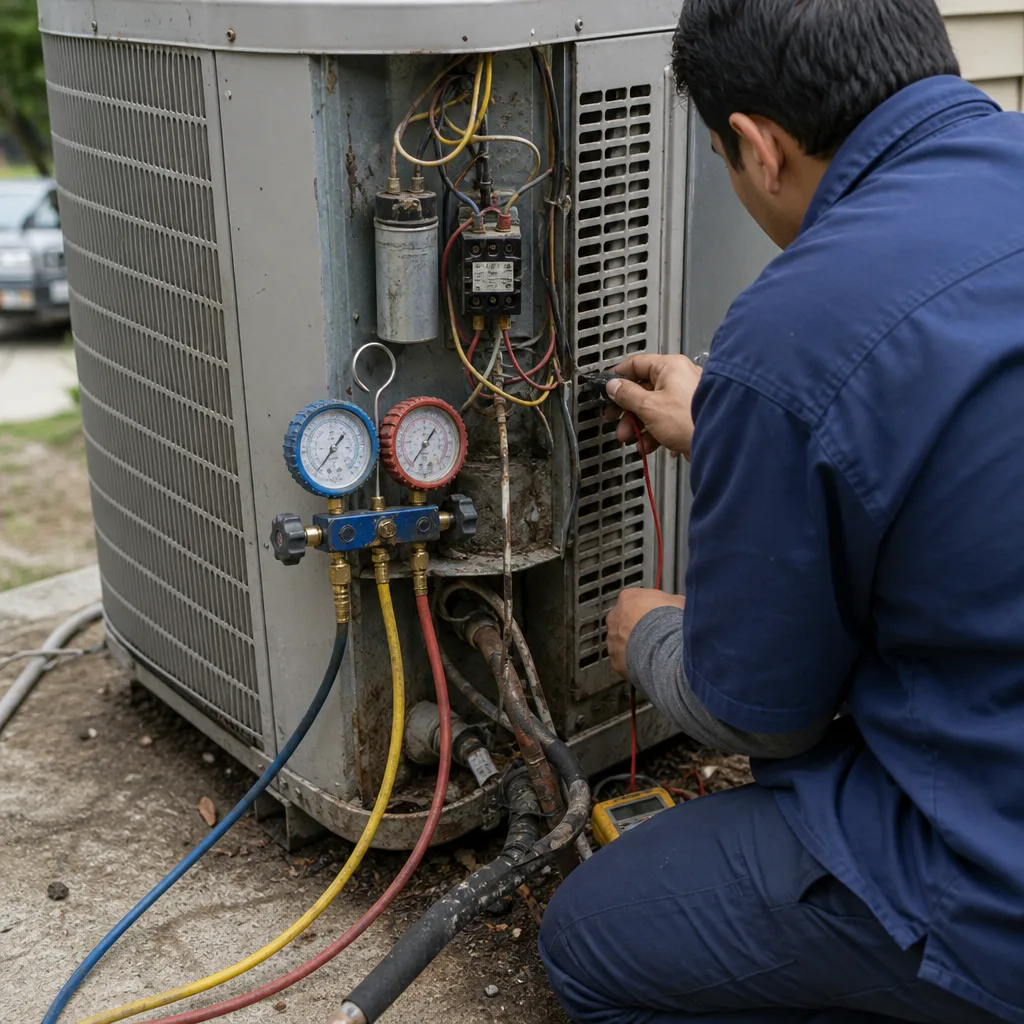 Before
 After
After Before
 After
After Before
 After
After